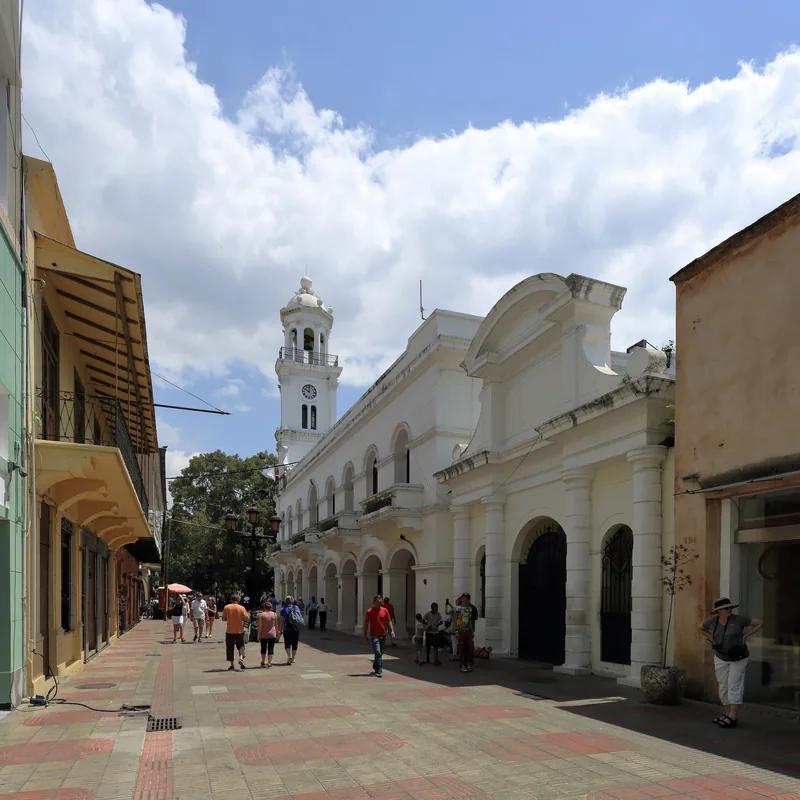
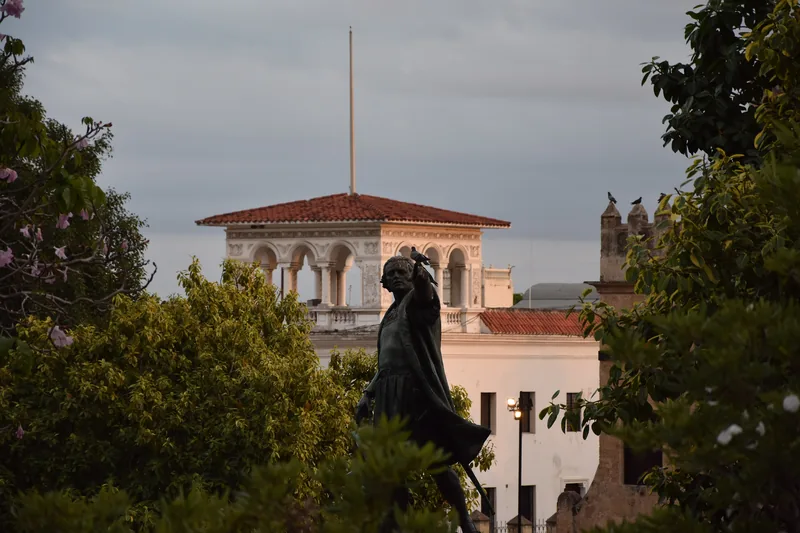
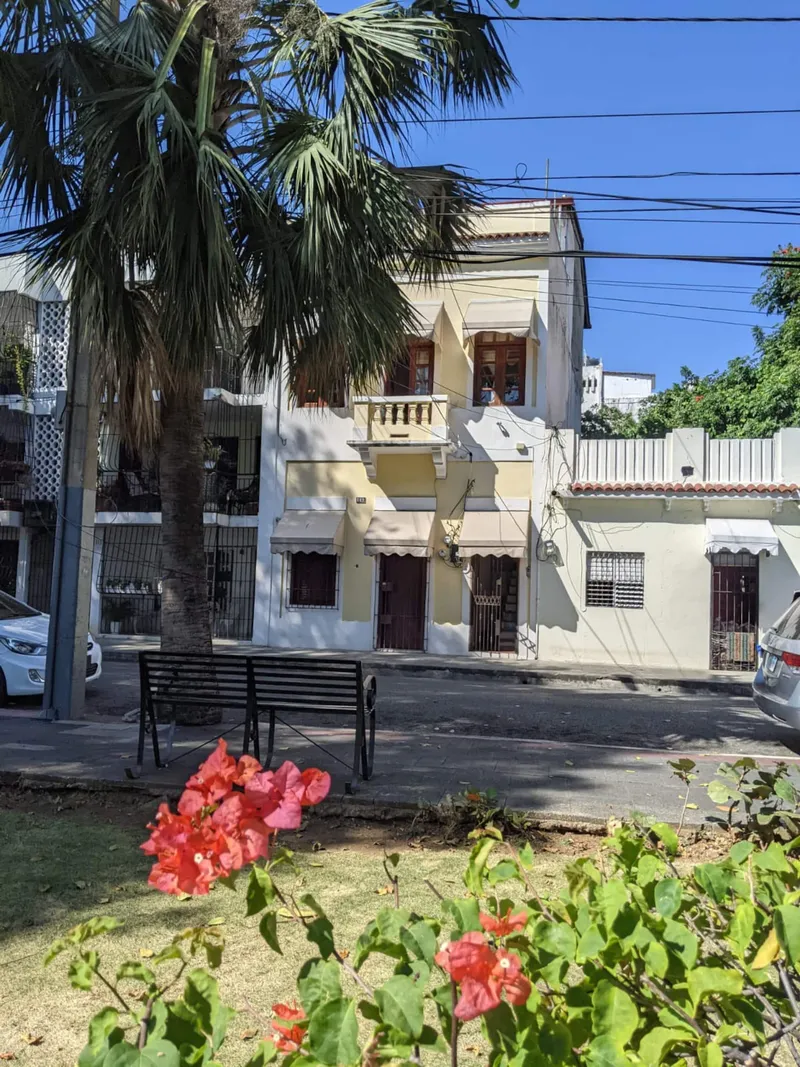
Two days is enough to see the old city properly if you accept that the district runs on its own schedule. Doors open at nine, the sun is hard by noon, the best light comes late, and a handful of the major sites close on Mondays or on Sundays. This plan is built around those facts. It never leaves the Zona Colonial and the Malecón, so there is no taxi, no traffic and no day trip, only a lot of walking on a small grid.
The plan is different from the Santo Domingo three-day itinerary, which covers the whole city and spends a day on the caves and the water. This one stays inside the walls. It uses the first day for the sea front, the museums and the west side, and the second for the royal quarter on and around Calle Las Damas, the cathedral square and the pedestrian street. If you want the histories rather than a schedule, the first city history walk takes the stops in route order and links to each story.
Walking times below are straight-line distances from OpenStreetMap coordinates multiplied by 1.3 for the real streets, at 80 meters a minute. Opening hours come from official or listing pages and change, so check each before you go.
Which two days to pick
The calendar matters more than the weather. A Tuesday and a Wednesday, or any two days between Tuesday and Saturday, give you the most open doors. Here is what the sources say about closing days.
- The Museo de las Casas Reales is listed as open 9 a.m. to 5 p.m. and closed on Mondays by the Dominican tourism site. Another listing says daily, so confirm.
- The Panteón Nacional is listed as open Tuesday through Sunday from 9 a.m. to 5 p.m., and may close for state ceremonies and national holidays.
- The Museo Memorial de la Resistencia Dominicana lists Tuesday to Sunday, 9:30 a.m. to 6 p.m., closed on Mondays.
- The cathedral lists Monday to Saturday, 8 a.m. to 5 p.m., and is closed to the general public on Sundays for worship.
- The Museo Mundo del Ámbar lists Monday to Saturday from 9 a.m. to 6 p.m., and Sunday from 9:30 a.m. to 1:30 p.m.
- The Montesinos monument is listed as closed on Mondays in one source. Another source gives a different weekday pattern, so ask before you plan around it.
If one of your days is a Sunday, make it the day with the cathedral already done and put the sea front, the plaza terraces and the monastery ruins on the Sunday. If one is a Monday, use it for the outdoor streets, the fort and the walk along the water, and keep the museums for the other day.
Day one, the sea front and the west side
Morning, the monument and the Resistance museum
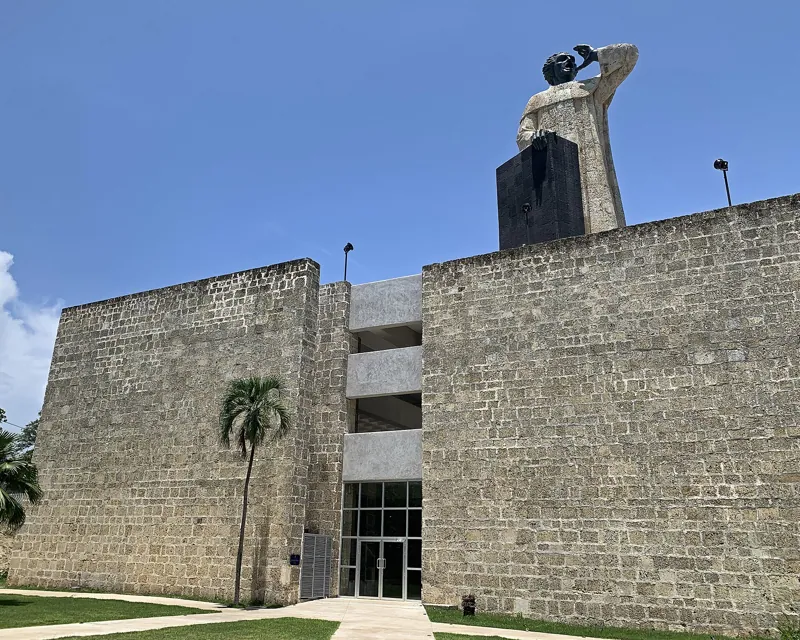
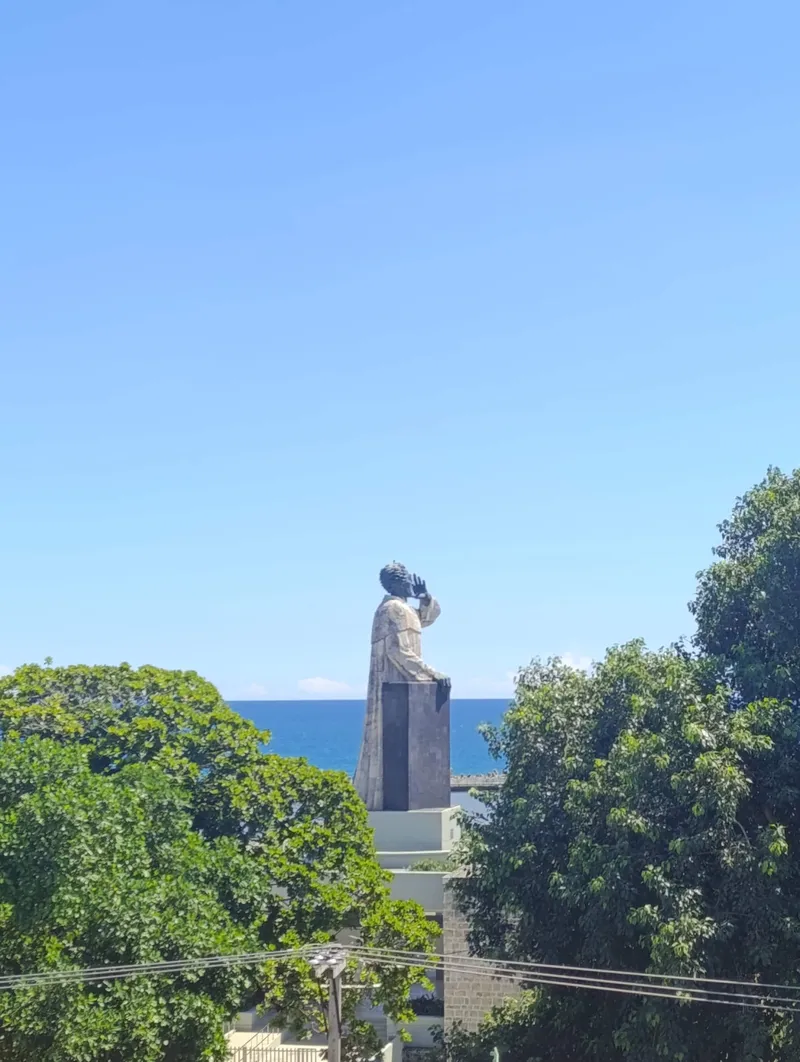
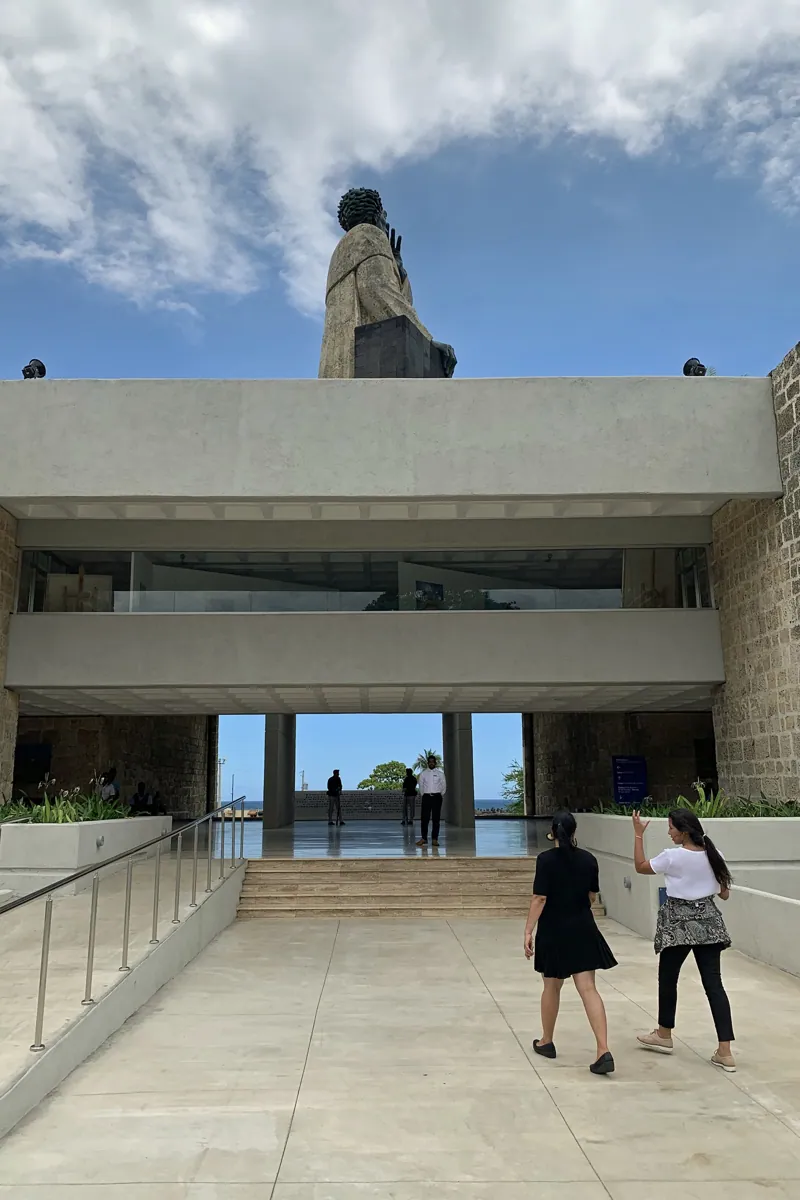
Start at the sea edge of the district. The Montesinos monument stands at the entrance to the port avenue, about 15 meters tall in bronze and limestone, and El Día reported in 2019 that visitors can climb to the base of the statue and look out over the sea and the old city. It is a good first stop at about 9 a.m., while the water is calm and the heat has not started. The history page on Montesinos explains the sermon and the sculpture, so you do not need to read a plaque.
From the monument, walk west and north into the grid to the Museo Memorial de la Resistencia Dominicana at 210 Arzobispo Nouel. It is about 10 minutes on foot from the sea front. The museum's own visitor page says it spans three floors with elevator access, offers an audio guide with subtitles, and takes tour requests in Spanish, English or both, with availability confirmed by email within 48 hours. It is a good indoor stop for the late morning, before the heat peaks. The other small museums of the neighborhood are described in Museums of the Zona Colonial.
Midday, the Convento and a long lunch
The next stop is about 5 minutes away, the convent church beside Parque Duarte. An article in El Día says the Dominicans arrived in 1510, that work on the convent began in 1517, and that the church has a chapel vault decorated with zodiac signs that stand for the twelve tribes of Israel, the prophets and the apostles. The same article describes a balcony over the park. The Convento de los Dominicos page covers the details, including the dispute over the claim to the first university in the Americas.
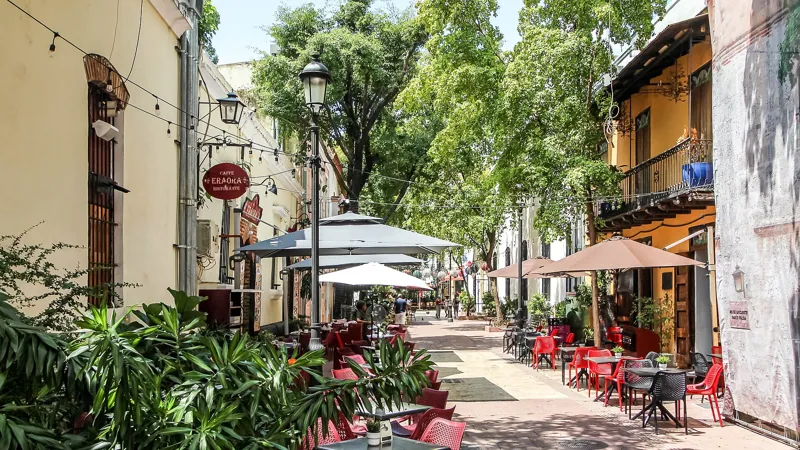
Then lunch. Between noon and about three, this is the hot part of the day, and the sensible choice is to sit down in the shade or indoors. The pedestrian Calle El Conde has restaurants and cafés, and the tourism board lists souvenir shops and grocery stores along it. What to order and where locals go is in Eating and drinking within 500 meters. Take your time, and do not plan any museum for the hours after lunch, when the heat and a full stomach make everything slower.
Afternoon, a rest and the ruined hospital
If you are staying nearby, go back for a rest between about two and four. If you are not, find a shaded bench in Parque Duarte or the cathedral park. A short rest is not wasted time here. The streets thin out, the light flattens, and the district looks better once the sun starts to drop.
At about four, walk north up Calle Hostos to the ruins of the Hospital San Nicolás de Bari, about 10 minutes from the sea. A local guide says Ovando ordered the first hospital here in 1503 and that a cross-shaped outline survives in the blue floor tiles, along with pillars, an archway and wall holes where pigeons and parrots nest. It also warns about an active beehive on an outside wall. The ruins can be seen mostly from the street. The Hospital San Nicolás de Bari page tells the history and the doubts about the claim that it was the first hospital in the Americas.
Evening, the monastery ruins
Keep climbing up Calle Hostos for a few minutes to the ruins of the Monasterio de San Francisco. A local guide says the evenings are the best time, because lights on the walls make the roofless stonework look dramatic, and suggests sitting on the steps. It also says that on Sundays the area often hosts a free concert with dancing and crowds of families. A 2012 report in Acento describes live son and merengue starting at about 4 p.m. on Sundays. That report is old, so check the current arrangement before you plan your Sunday around it. The monastery page has the history, including the 1930 hurricane that took the chapel's vault. Watch your footing in the dark, because the guide mentions holes and a covered well on the grounds.
Dinner can be on El Conde or near the ruins, and the walk back to the sea is downhill. End at the monument, which is lit at night in the blue, white and red of the Dominican flag.
Day two, the royal quarter and the cathedral square
Morning, the fort and the street
Day two is the early start, because the best of the district is crowded into one narrow street. Be at the Fortaleza Ozama by about 9. From the sea front it is about 10 minutes on foot. The fort was built between 1502 and 1508, and the walls are about 3 meters thick, so the interior stays cool even at midday. Climb the Torre del Homenaje, walk the perimeter, and find the cannonball set into the outer wall near the entrance. A local guide says guides wait at the gate and recommends hiring one. The fort is covered in Fortaleza Ozama.
Then walk north on Calle Las Damas. The street is about 335 meters from the fort to the Panteón in a straight line, so plan on about 6 minutes. The Panteón was a Jesuit church that became the national pantheon in 1958, and its dress code covers shoulders and knees, with no shorts, tank tops, flip-flops or hats. The guard changes on the hour. A few steps farther are the Casas Reales and the sundial outside them. The tourism site lists a ticket at 100 pesos with audio guides, so you can use the museum as your indoor stop.
Midday, the Alcázar and the plaza
At the top of the street is the Alcázar de Colón, the palace Diego Colón built from 1510 to 1514. Diario Libre reported that the museum reopened on 29 September 2026 after a three-year restoration, with a recreated viceregal bedroom, sacred art, a large woven hanging and an upper arcade with views over the Ozama. The newspaper said entry was free for the first month, so ask what it costs now. The page on the Alcázar de Colón tells the palace story.
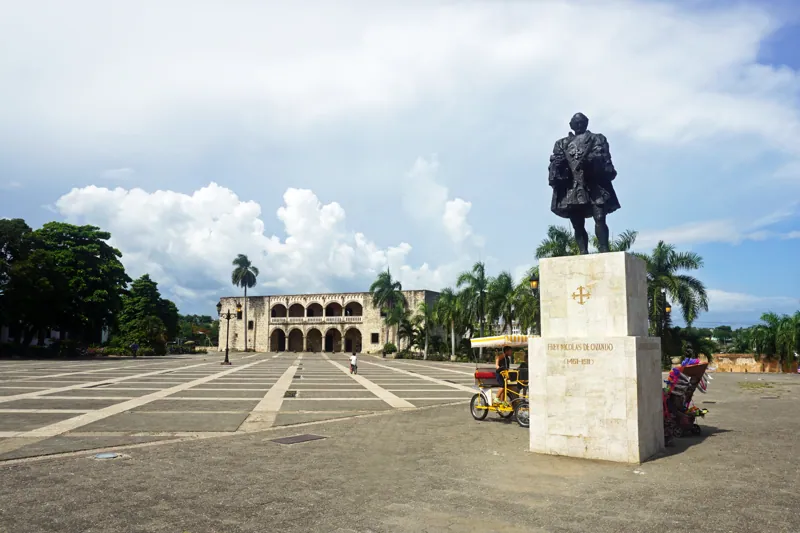
In front is Plaza de España, with its bronze statue of Ovando. Stop here for lunch, because the terraces on the far side face the old city and the Atarazana warehouses behind them are now restaurants, galleries and a museum, according to the tourism pages. The plaza is covered in Plaza de España and La Atarazana.
Afternoon, the cathedral and two small museums
Walk toward Parque Colón for the middle of the afternoon, about 6 minutes from the plaza. The cathedral is on the south side. The Dominican tourism site gives its hours as Monday to Saturday from 8 a.m. to 5 p.m., says it has three doors and fourteen chapels, and says it blends Renaissance design with Gothic, Plateresque and Mudéjar elements. Ask for the story of the building from a guide if you want it, or read Catedral Primada de América first. The square itself is described by a local guide as most pleasant in the morning or in shade, with vendors and guides who approach often, so you will need a polite answer ready.
For something smaller, there are two museums within a few minutes of the park. The Museo Mundo del Ámbar at Calle Arzobispo Meriño 452 occupies a restored eighteenth-century colonial building and shows amber with plants and animals preserved inside it. The Museo de Larimar is at Calle Isabel la Católica 54, and shows the blue stone found only in the Dominican Republic, according to its own site. The larimar site does not list hours or prices, so call before you go. The sources do not cover admission for either.
Evening, the plaza at twilight and the Malecón
Late in the afternoon, go back toward Plaza de España for the twilight. A tourism page says the bars and restaurants set up terraces on the square at twilight and that it is a good spot for a sunset dinner. Eat there, or choose a small place on one of the side streets, and finish with a slow walk back to the sea.
The Malecón at the edge of the district is the seafront promenade, and the evening is when people use it. Walk toward the monument and then along the water. A longer description of the seafront, the monuments along it and its food stands is in the Malecón guide. If you still have energy, the colonial zone at night article covers the music and the late streets.
How to pace it
The temptation is to cram. The two days above include about eight sights a day if you go inside everything, and that is too many. Pick the two or three that matter to you and do the others from the street. The fort, the cathedral and the Alcázar repay a long visit. The Panteón is a short stop. The monastery and hospital ruins are best seen from outside, with the light low.
Shoes matter more than anything else you pack. The pavement is uneven and the old streets slope, so wear shoes with grip. Carry water, because the shade runs out in the middle of the day. Carry small bills for entrance fees that are in pesos, and a light wrap for the Panteón and the cathedral. If it rains, the Resistance museum, the Alcázar and the Casas Reales are indoor days, and the evening plan can slide by an hour.
Where the plan can flex
If you have an extra half day, the landmarks guide and the Zona Colonial complete guide go deeper into the same blocks. If you want to add a swim or a cave lake, the three-day itinerary and the beaches and day trips guide are the next step. For the full list of what is on offer in the city, things to do in Santo Domingo is the long version.
Where the penthouse fits
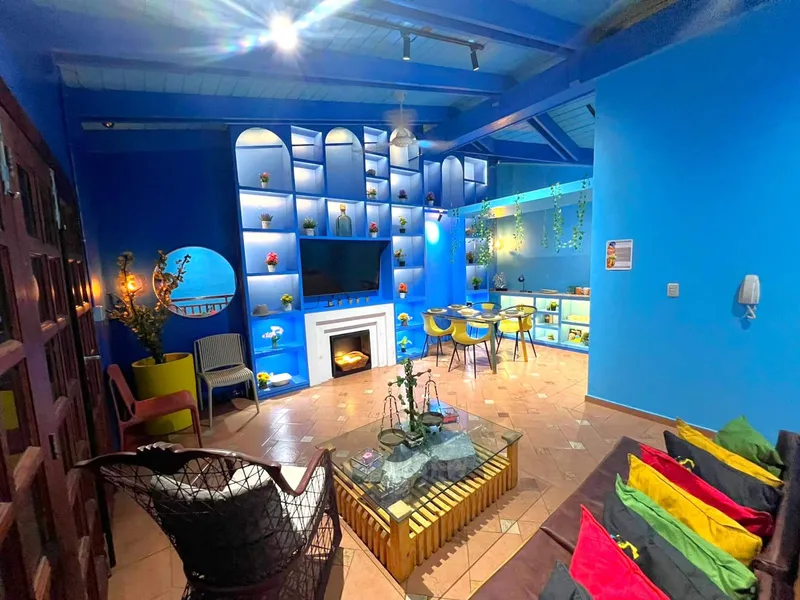
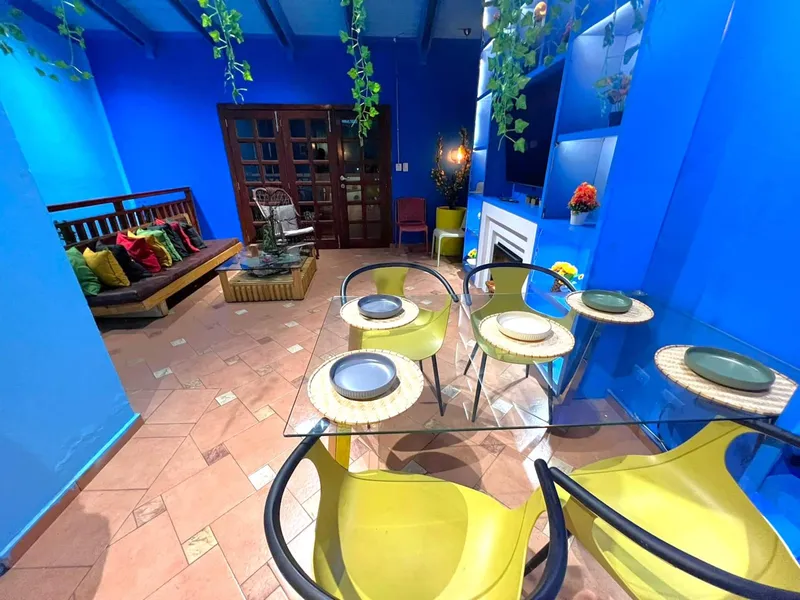
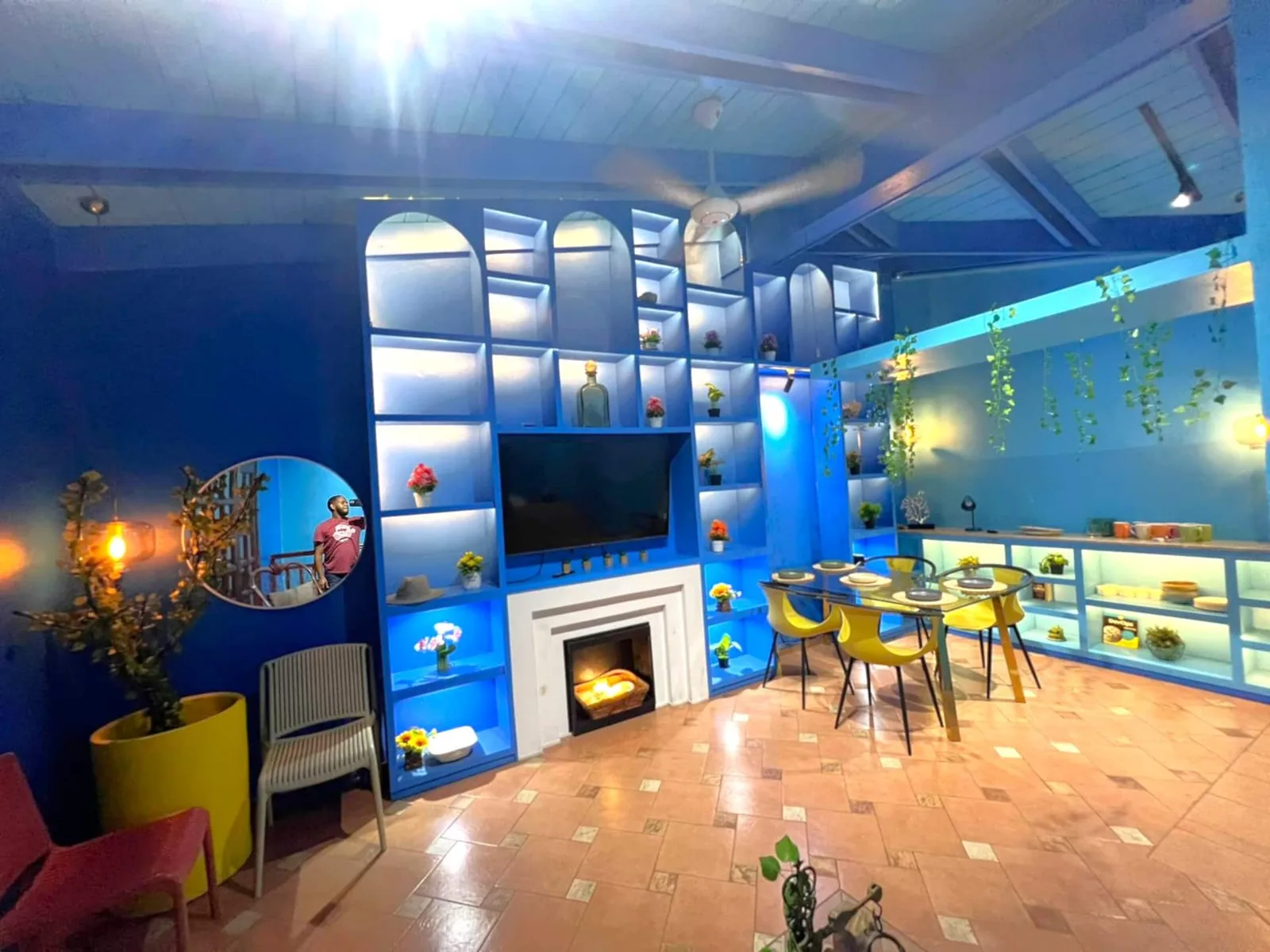
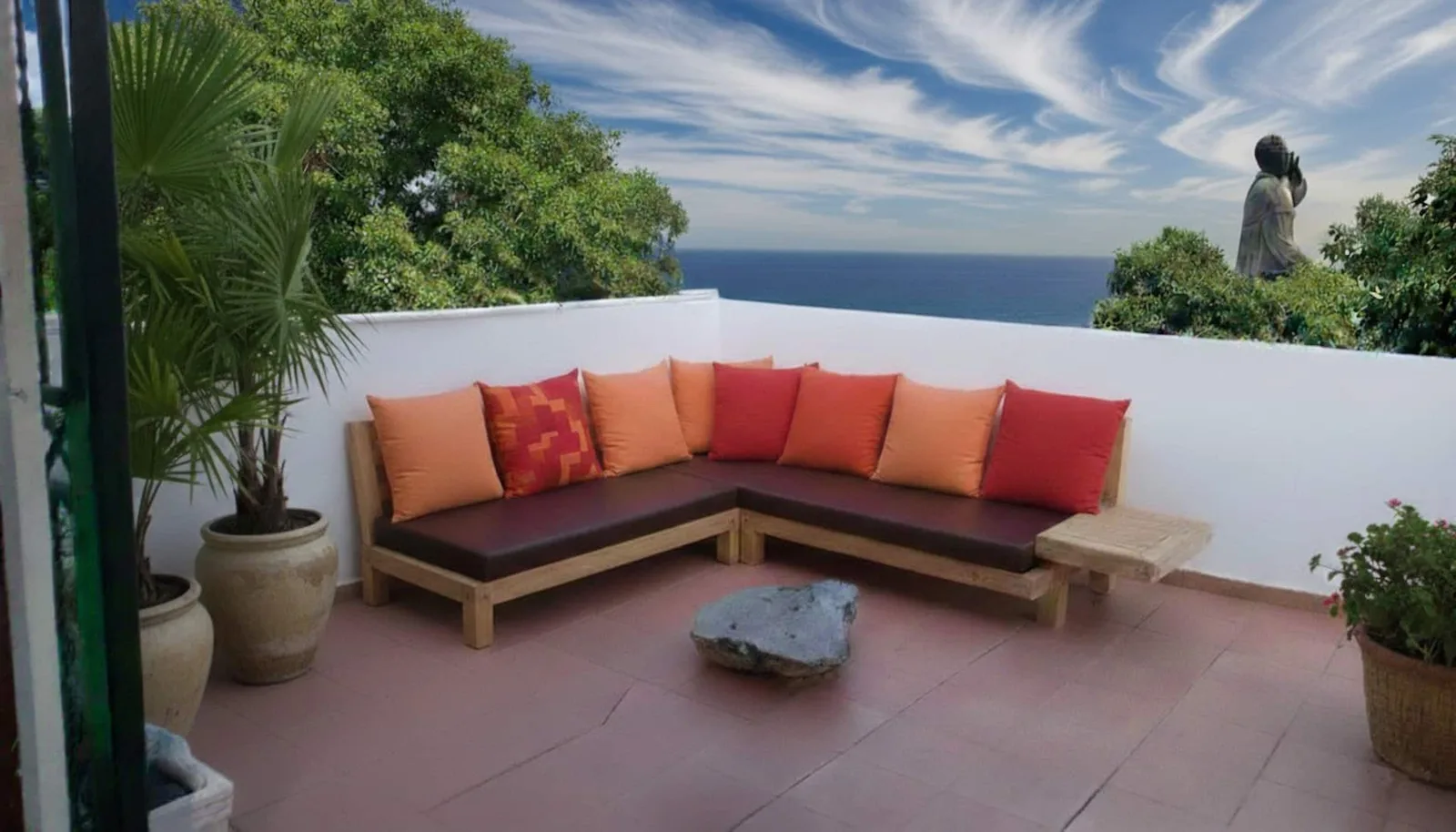
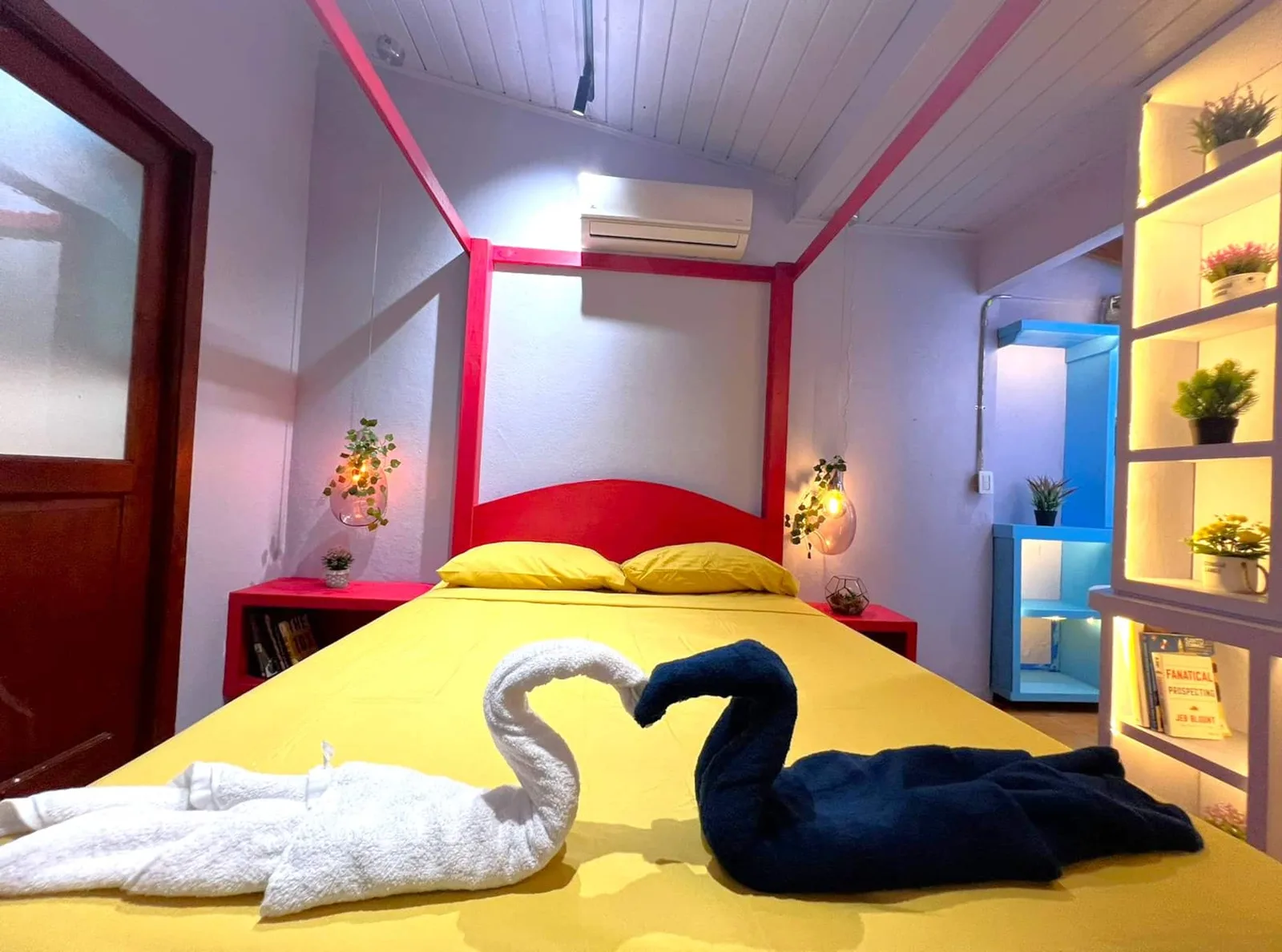
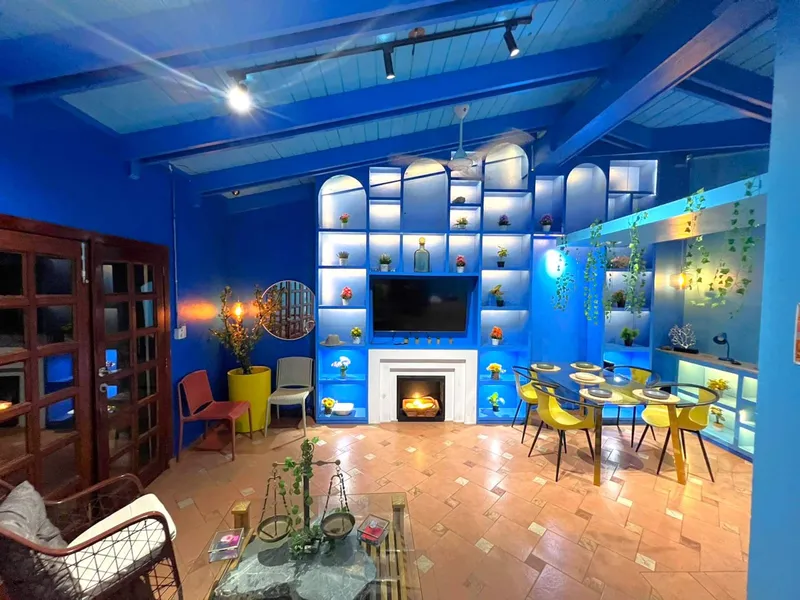
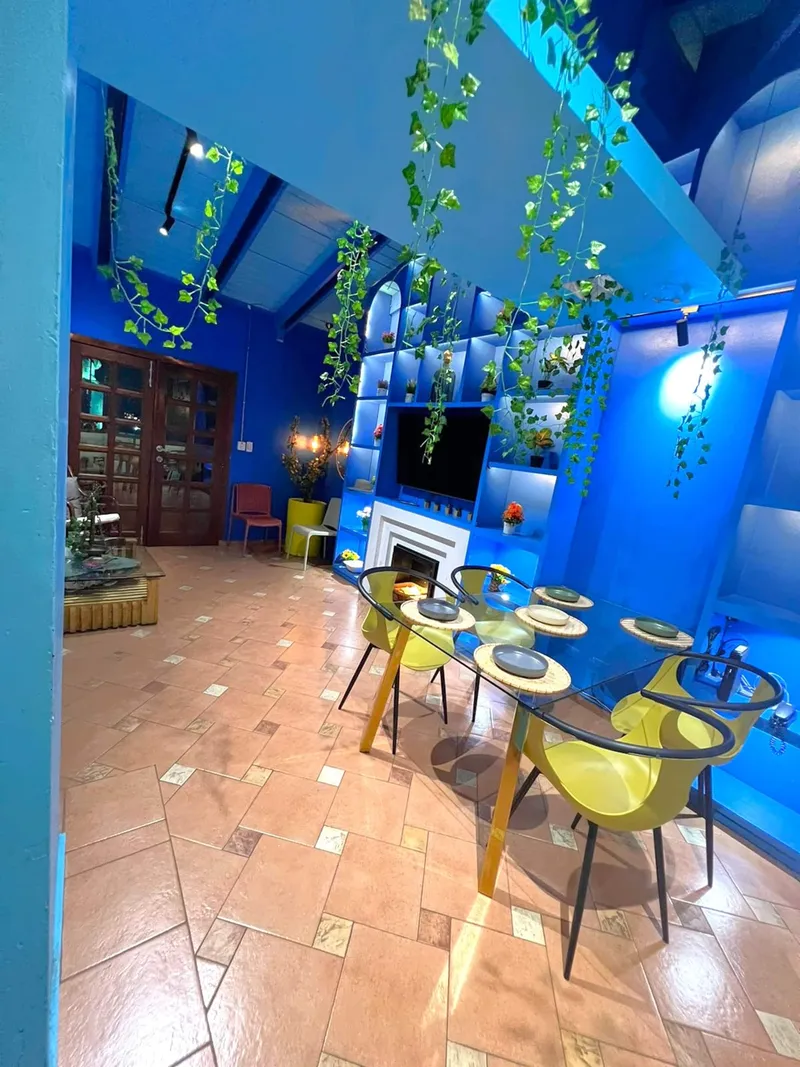
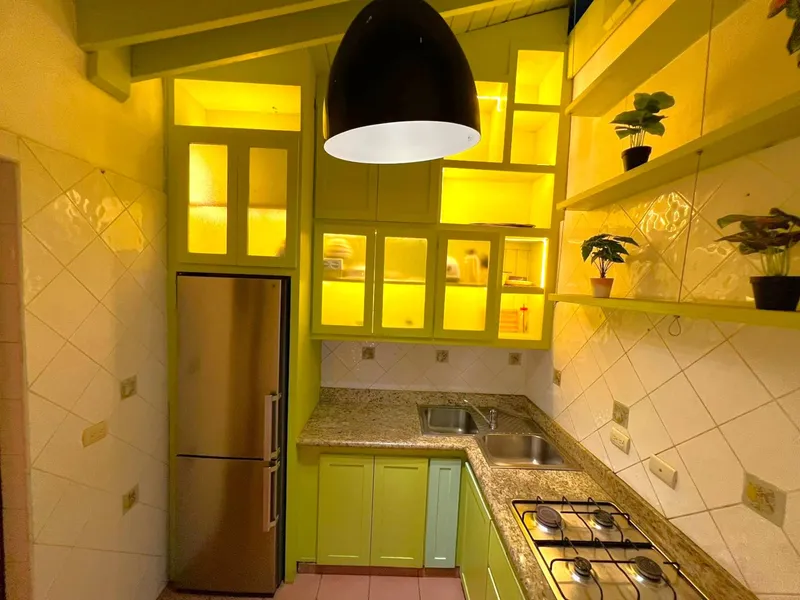
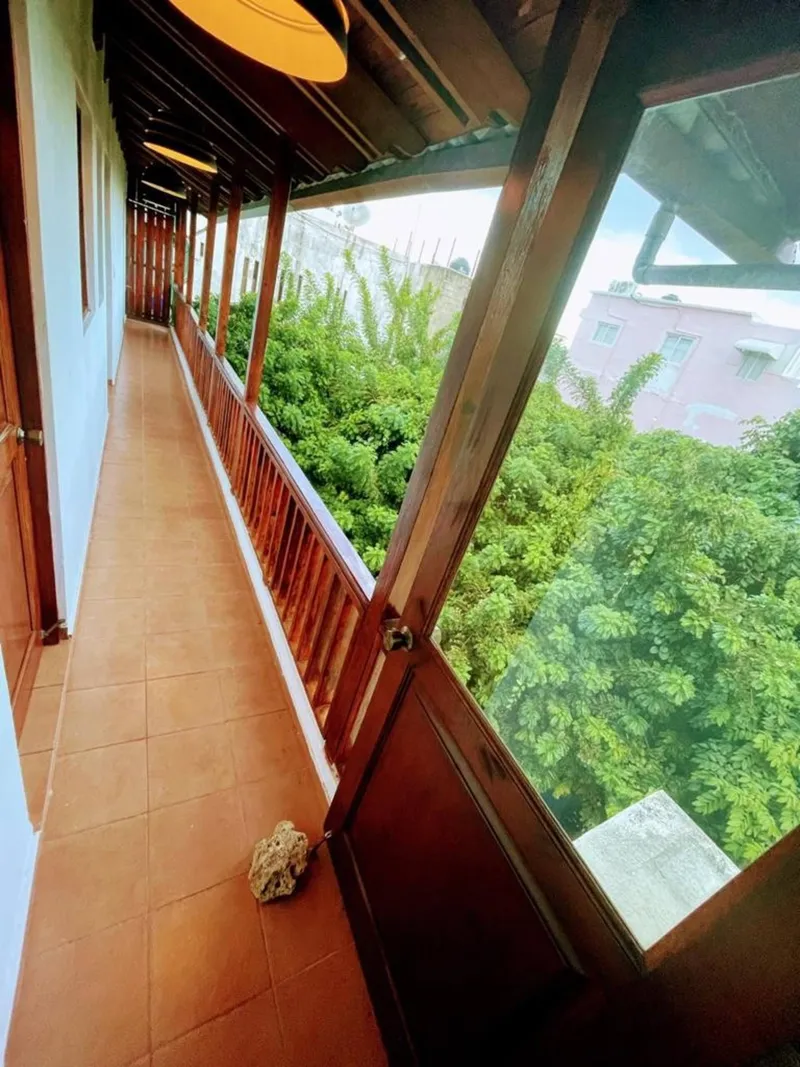
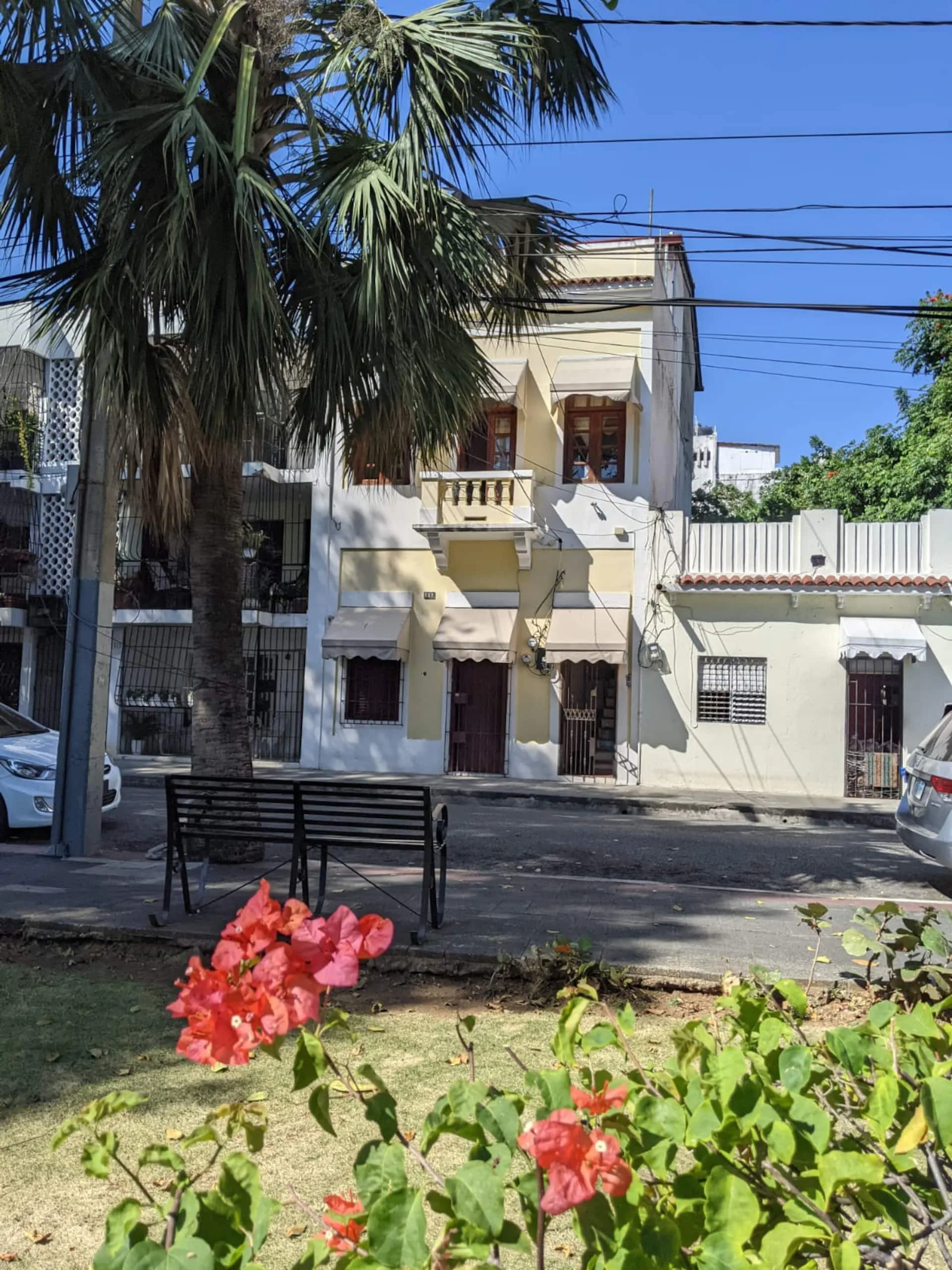
Penthouse Pallazzo is a third-floor walk-up with no elevator, so the stairs are part of the rest between the morning and the evening, and the private deck faces the Montesinos monument and the sea, which is where the day ends. Stays of 28 nights or more are allowed, which suits anyone who wants to repeat this plan slowly.
Frequently asked questions
Is two days enough for the Zona Colonial?
Yes, for the main sights. Two days covers the fort, the cathedral, the Alcázar, the pantheon, the museums you choose, and a few evenings on the plazas and the sea front. A third day is useful if you want to go inside every museum.
Which days should I avoid?
Mondays, if you want the museums, because the Casas Reales, the Panteón and the Resistance museum are listed as closed that day. Sundays close the cathedral to general visitors. Tuesday to Saturday gives the most open doors.
What is the best time of day for the fort and the cathedral?
Early in the morning for the fort, and mid-afternoon for the cathedral, since the cathedral keeps its hours until 5 p.m. The fort's thick walls keep it cool at midday.
Do I need to book anything?
Not for the main sights, which are walk-in. The Resistance museum takes tour requests in advance by email. Check the Alcázar's ticket status after its 2026 reopening.
How much walking is it?
Each day is about 3 to 4 kilometers on the street, with long breaks. The grid is flat in most places, with a gentle climb toward the monastery ruins.
Can I do the plan in the opposite order?
Yes. The only thing to keep in order is the rest between about noon and four, and the closing days.
Sources
- https://www.godominicanrepublic.com/things-to-do/calle-el-conde
- https://www.godominicanrepublic.com/things-to-do/plaza-de-espana
- https://www.colonialzone-dr.com/fortaleza-ozama/
- https://www.colonialzone-dr.com/parque-colon/
- https://www.colonialzone-dr.com/ruins-of-the-san-francisco-monastery/
- https://www.colonialzone-dr.com/san-nicolas-de-bari/
- https://drrevealed.com/explore/south-coast/panteon-nacional
- https://visitdominicanrepublic.com/history-heritage/museo-de-las-casas-reales/
- https://visitdominicanrepublic.com/destinations/catedral-primada/
- https://www.visitdominicanrepublic.org/plaza-espana-square-santo-domingo
- https://www.diariolibre.com/actualidad/nacional/2026/09/28/abren-alcazar-de-colon-tras-renovacion-de-tres-anos/3672527
- https://museodelaresistencia.com/en/visita
- https://www.amberworldmuseum.com/
- https://www.larimarmuseum.com/
- https://eldia.com.do/la-iglesia-viva-mas-antigua-del-continente-americano/
- https://eldia.com.do/monumento-montesinos-sera-el-nuevo-icono-de-santo-domingo/
- https://inmobiliario.do/monumento-fray-antonio-de-montesino-a-cinco-anos-de-su-restructuracion-brilla-con-mas-fuerza/
- https://acento.com.do/cultura/los-bonye-en-las-ruinas-de-san-francisco-un-domingo-mas-que-caribeno-20856.html