A trip to the Zona Colonial doesn't ask for much gear, but a few small decisions made at home save you money, sweat and phone calls once you land. The old city is compact, hot most of the year, paved with uneven stone, and run on a mix of cash and cards. The power grid has its moods. The tap water isn't for drinking. None of that is a problem if you know it in advance, and this page collects it in one place.
Where a fact comes from an official source, the source is listed at the bottom. Where something changes often, such as prices, opening hours or entry rules, the page says to check before you go.
Plugs and voltage
Good news for visitors from the United States and Canada: the Dominican Republic uses the same two-prong and three-prong outlets you have at home. The country's official tourism site says electricity runs at 110 volts and that US and Canadian visitors don't need adapters. Plug databases list the sockets as type A and type B at 60 Hz, which matches North American equipment.
If you come from a region that runs on 220 to 240 volts, such as most of Europe, the UK or Australia, you need two things. First, a plug adapter for the flat-pin sockets. Second, a check of every charger label. Phone, laptop and camera chargers are almost always dual-voltage, marked something like "100-240V", and for those an adapter is enough. Hair dryers, straighteners and electric shavers are often single-voltage, and plugging a 230-volt appliance into a 110-volt socket gives you a weak, useless device rather than a dangerous one. Leaving single-voltage appliances at home is easier than carrying a converter.
The tourism board also warns that power surges are common outside resorts, which have generators, and recommends surge protection for electronics. A small surge-protecting power strip costs little and covers a laptop, a phone and a camera battery charger from one socket.
Money in pesos
The currency is the Dominican peso, written RD$ or DOP. The tourism board gives rough conversion guides of RD$100 to about US$2 and RD$1,000 to about US$20, and notes the rate changes daily, so look up the current rate before you travel. US dollars and euros can be exchanged at banks and authorized offices.
The Central Bank has been issuing new notes. New RD$2,000 notes began circulating in February 2026, and new RD$50, RD$100 and RD$500 notes with a 2025 print year entered circulation in June 2026. The bank says the earlier notes keep full legal tender, so you can spend either design and nobody needs to swap anything. If a cashier looks hard at a note you hand over, that is the reason, not a problem with your money.
Cards and cash
Cards work in supermarkets, larger restaurants, pharmacies and hotels. Cash is what you need for the small things: fruit from a street seller, a comedor lunch, a coffee at a counter, a tip, a taxi when you've agreed the fare in advance. Carry small bills. Change for a large note is a request many small vendors can't meet.
ATMs
The tourism board names Banco Popular, Banco BHD León, Banco Progreso and Scotiabank as banks whose ATMs take North American cards and offer English menus. It says ATMs are safe for peso withdrawals, advises using machines inside buildings and withdrawing in daylight, and notes that ATMs give the best exchange rates. If a machine offers to convert the amount to your home currency, decline and let your own bank do the conversion, which usually costs less.
The British government's advice adds a caution about card cloning and identity theft: keep your card in sight when you pay, or pay in cash. Tell your bank you're traveling so a foreign charge doesn't freeze the card.
Tipping and the bill
Restaurant bills in the Dominican Republic usually arrive with two lines added: a 10 percent service charge and an 18 percent sales tax called ITBIS. The tourism board says restaurant bills automatically include both and suggests adding another 10 percent for the server if the service was good. Taxis don't expect a tip, though a driver who carries bags up a flight of stairs earns one.
Check the bottom of the bill before you add a tip, because the service charge is already there, and remember that the menu price is not the final price once 28 percent is added.
Water and food
Don't drink the tap water. The British government's travel advice states it flatly: tap water in the Dominican Republic is not drinkable. The tourism board agrees and adds that you shouldn't swallow shower water either. Buy bottled water, which is cheap and sold everywhere, and use it for brushing your teeth too if you have a sensitive stomach.
Health agencies add a few simple habits. The US Centers for Disease Control and Prevention advises washing your hands often, especially before eating, and using hand sanitizer with at least 60 percent alcohol when soap and water aren't available. It also says to avoid swallowing water when swimming and to stay out of fresh, unchlorinated water such as rivers, lakes and ponds, because infections carried in fresh water, including schistosomiasis and leptospirosis, are present in the country. Sea water and chlorinated pools aren't the concern. If your stomach is sensitive, ask for drinks without ice and stick to bottled water.
Sun, heat and mosquitoes
Santo Domingo is warm year-round. The tourism board puts the city's typical range at 24 to 31 degrees Celsius, which is about 75 to 88 Fahrenheit. The sun is strong even when the day is cloudy, and cobblestones and white walls reflect it.
The CDC recommends sunscreen with SPF 15 or higher, protective clothing, and seeking shade between 10 a.m. and 4 p.m. It also says to be extra careful near reflective surfaces such as sand and water. In the old city that translates to a hat, sunglasses and a shirt with sleeves for the middle of the day, and the plan most visitors settle into: walk in the morning, eat lunch indoors, and go out again once the light drops.
Dengue and Zika are spread by mosquitoes, and the CDC advises preventing bites with long sleeves and long pants where practical, and with a repellent that contains 20 percent or more DEET. The British government's travel health advice and the Canadian government list dengue, chikungunya, Zika and Oropouche as risks and recommend bite avoidance, especially during the day. Malaria advice differs between sources. The CDC lists parts of Santo Domingo province among the areas of transmission, while the UK's TravelHealthPro page says there is no malaria risk in Santo Domingo or Santiago. Ask a travel clinic before you go and bring repellent either way. The air-conditioned rooms help at night.
Clothing for the old city and for churches
The tourism board says Dominicans keep their appearance neat, that beachwear belongs at the beach, pool or resort grounds, and that a cover-up is expected outside them. It also suggests bringing a nicer outfit for evenings out.
Churches are the practical reason to pack a light scarf or a thin long-sleeve shirt. The convention in the Colonial Zone churches is covered shoulders and knees. Tank tops and very short shorts or skirts can get you turned back at a church door. Men are expected to take hats off inside. A scarf that lives in your day bag solves this without changing your outfit. Your visit to a church takes ten minutes, so the cost of the cover is small.
Choose light cotton or linen that breathes in the humidity, plus one pair of long, light trousers or a long skirt if you plan several church stops.
Shoes
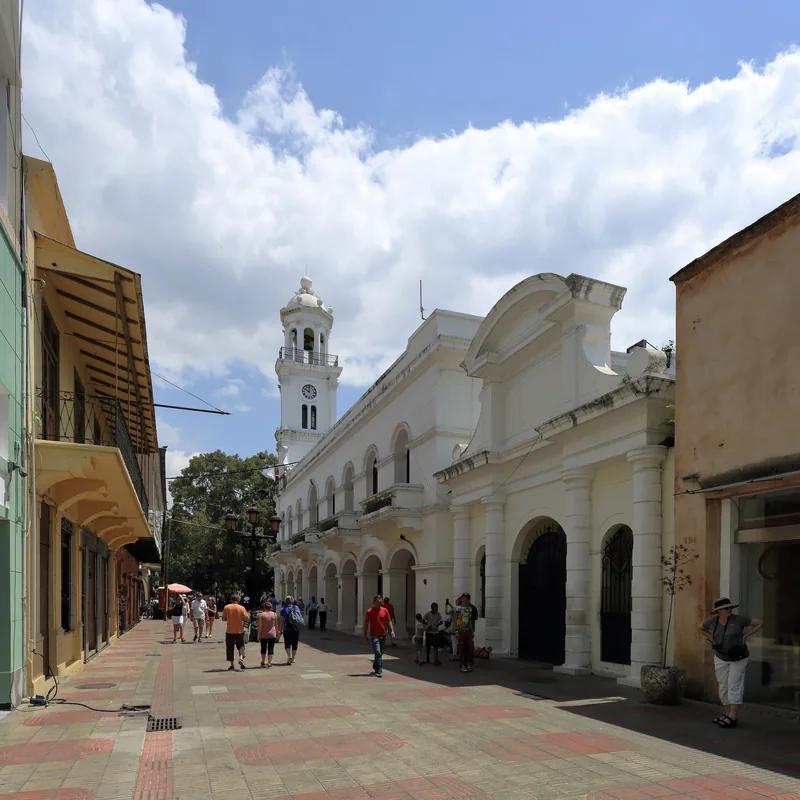
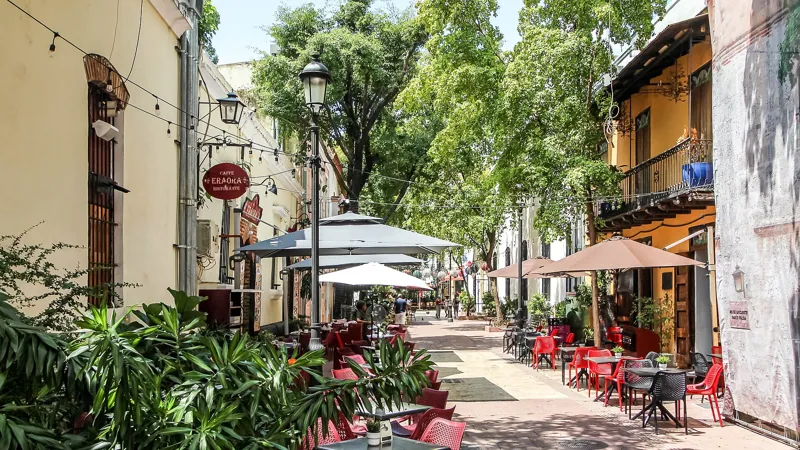
Of everything on this list, shoes decide the trip. The old city is paved with stone that is uneven, cracked in places and slick when wet. Walking shoes with grip beat sandals and heels on those stones. Pack one pair of broken-in sneakers or light walking shoes, and a pair of sandals for the deck in the evening.
You don't need hiking boots, but the shoes should already be broken in.
Footpaths in Santo Domingo are cracked and uneven in many places, and some travelers with small children report that a carrier is easier than a stroller. The article on Santo Domingo with kids covers that in more detail.
Season matters for the suitcase too. The US National Hurricane Center puts the Atlantic hurricane season at June 1 to November 30, with a peak around September 10 and most activity between mid-August and mid-October. The British government points visitors to the Dominican emergency management center, COE, and its AlertaCOE app for alerts in Spanish. If you travel in those months, pack a light rain jacket, keep travel insurance that covers disruption, and read the best time to visit before you book.
Power cuts and a power bank
Power cuts are part of life in the Dominican Republic, and the Zona Colonial isn't exempt. Dominican press using figures from the state distributors reported that between January and April 2026 the monthly average number of interruptions per customer rose from 12.94 to 17.81 at Edesur and from 8.8 to 13.25 at Edeeste, with heat and higher electricity demand cited as drivers. Authorities blamed part of the 2025 outages on a temporary shortfall in generating capacity, and the situation can vary by neighborhood and by week. Resorts and larger hotels run generators. Smaller places may not.
What this means for your packing:
- A power bank for phones. Pick one with a capacity big enough to charge a phone two or three times.
- A small battery or a portable UPS for a router if you work online. Residents who use one report that a router battery lasts two to three hours.
- A headlamp or small flashlight. Your phone light works, but a headlamp keeps your hands free on a dark staircase.
- A surge protector, as the tourism board advises.
- Some cash in small bills for the days a shop can't take cards.
Plan the day around it. If you need to be on a call at ten, charge everything the night before.
Phone, SIM cards and language
Check with your carrier before you leave about international roaming rates, or plan on a local prepaid SIM or an eSIM. The two main networks are Claro and Altice, and travel guides report that SIM cards and eSIMs are sold at the Santo Domingo and Punta Cana airports, in official stores and in large malls, with a passport needed to activate a prepaid line. Your phone must be unlocked to accept a local SIM.
Spanish is the official language. The tourism board says English is widely spoken in the tourist areas, and that Dominicans speak quickly and often drop syllables, which can make even good classroom Spanish hard to follow. A translation app with an offline Spanish pack is worth downloading before you fly. Learn a few phrases, such as buenos días, por favor, gracias, cuánto cuesta and la cuenta por favor.
Documents, health and insurance
The getting to Santo Domingo guide covers the airport and the ride in. Complete the free electronic entry and exit form, the e-ticket, on the official government portal before you fly, and again before you depart. The tourism board says it is required for each commercial flight, that you should save or screenshot the QR code, and that websites charging a fee to complete it are not the official route. The British and Canadian governments both say that through December 31, 2026, tourists can enter with a passport valid for the length of their stay, with a six-month validity rule listed for other cases, so check your airline's own requirement.
Visitors from the United States, Canada, the UK and the EU don't need a visa for tourism, according to the tourism board. The UK and Canadian governments give the visa-free stay as 30 days. Staying beyond that requires an extension, which the same governments say can run up to 120 days through the Dominican immigration service for a fee.
Carry a photocopy or photo of your passport rather than the original when you're out, as the CDC advises, and keep the passport in the house safe. Bring any prescription medicine in its original packaging with enough supply for the trip, and check that it is legal in the Dominican Republic. The CDC also says to consider travel health insurance and medical evacuation coverage, because trauma care is limited outside the larger cities. The British government warns that some hospitals can hold patients who can't pay, so buy insurance that covers local treatment.
Check vaccine advice with a clinic several weeks ahead. The CDC recommends hepatitis A for unvaccinated travelers and up-to-date routine vaccines, including measles.
Safety habits that cost nothing
Crime advice from the governments of Canada and the UK is consistent: petty theft such as bag snatching and pickpocketing is common in large cities, and more serious crime mostly happens after dark away from busy areas. The tourism board points visitors to CESTUR, the tourist security corps, for help including crime reports, and the UK government gives the tourist police number as +1 809 200 3500. In Santo Domingo, 911 reaches an ambulance.
What follows from this:
- Keep your phone in a front pocket or a cross-body bag you hold.
- Leave jewelry at home. The tourism board suggests avoiding expensive jewelry.
- Walk in well-lit streets in the evening and avoid walking alone late at night.
- Agree the fare before you get into a taxi, since taxis are not metered, as the Canadian government notes, or use a ride-hailing app. The tourism board lists Uber and Cabify in the capital.
- Avoid motorbike taxis, called motoconchos, which both governments flag as dangerous.
A short packing list
- Passport, a photocopy of it, the printed or saved e-ticket QR codes, travel insurance details.
- Cards, a small amount of US dollars, and a stack of small pesos once you arrive.
- Closed walking shoes with grip, sandals for the deck.
- Light long-sleeve shirt or scarf for churches, long light trousers.
- Swimsuit, a hat, sunglasses, sunscreen.
- Insect repellent with DEET.
- Power bank, a surge protector, a headlamp, an adapter if you need one.
- Prescription medicine in original packaging, hand sanitizer, a basic first-aid kit.
- A refillable bottle for the bottled water you'll buy.
How the penthouse fits
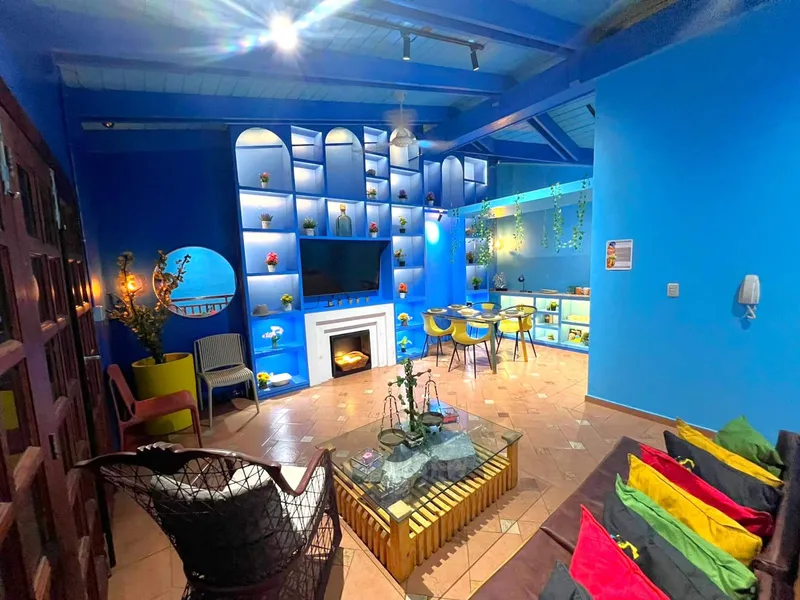
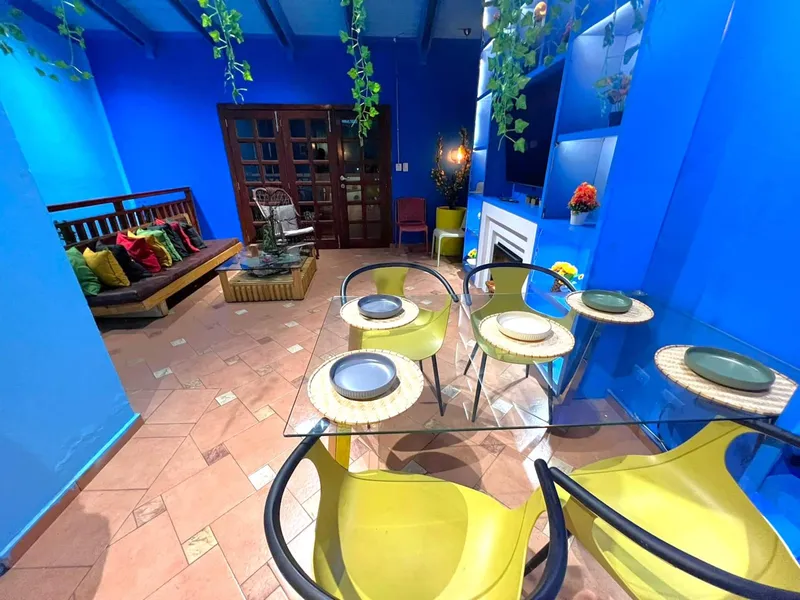
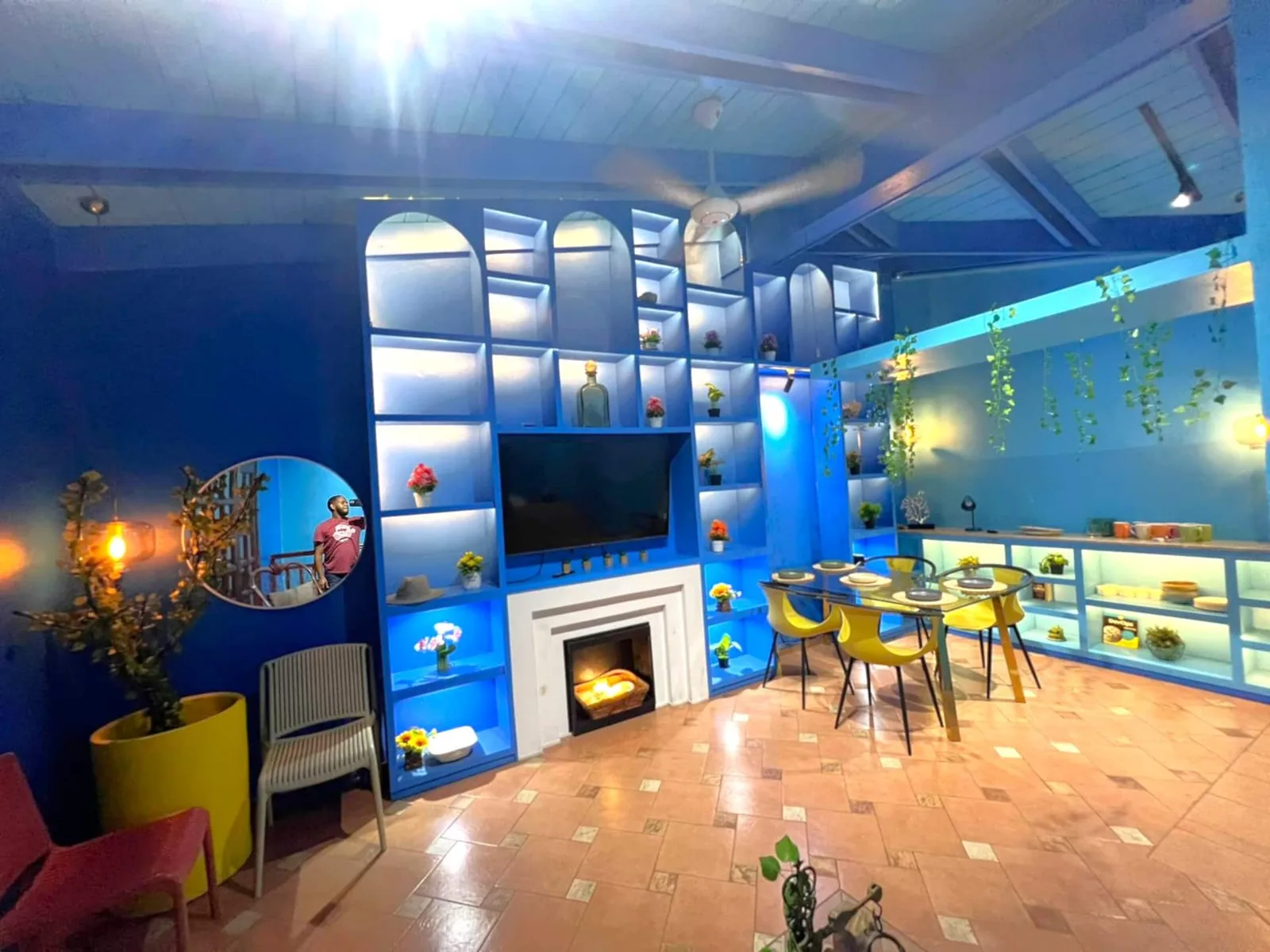
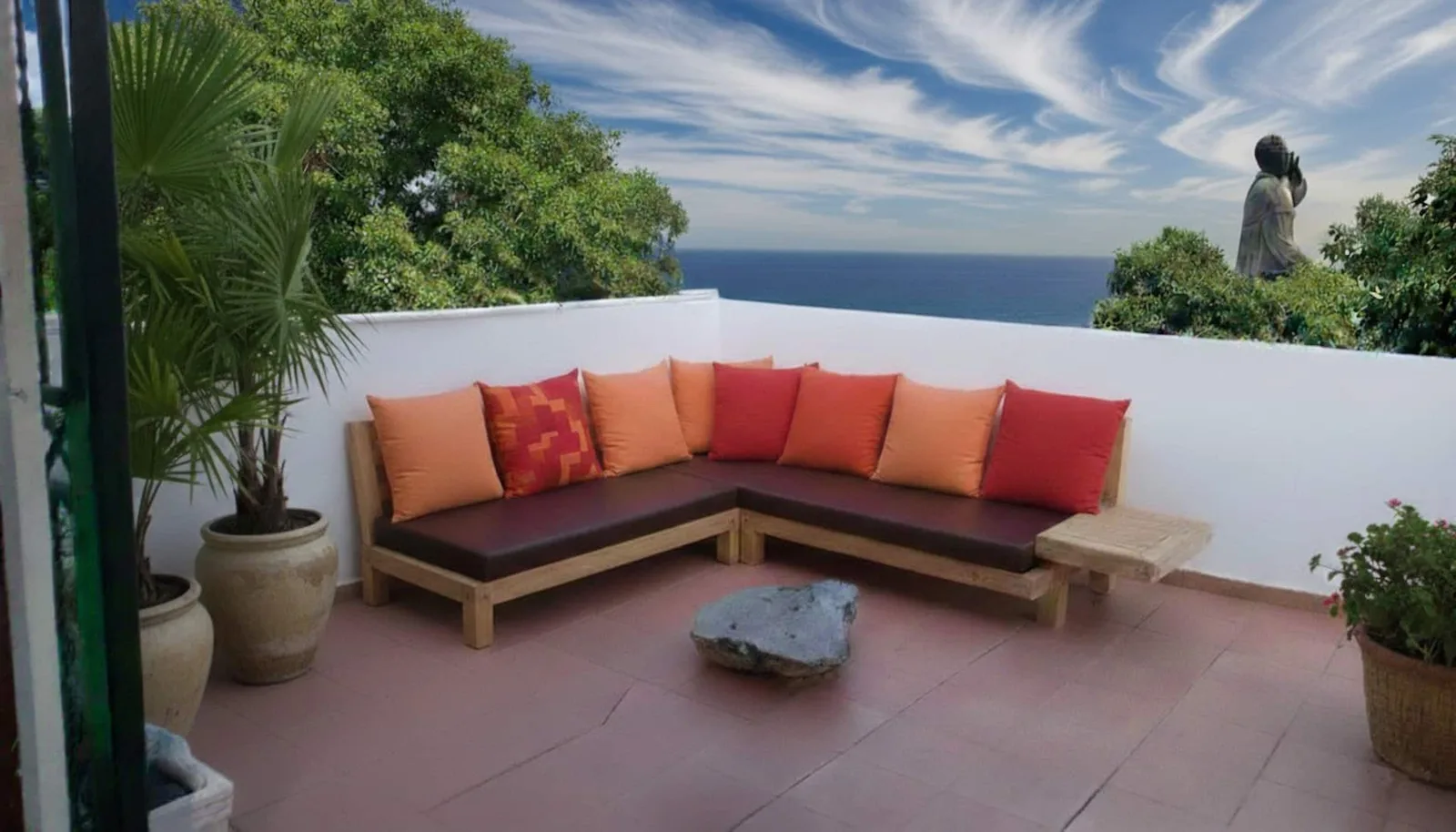
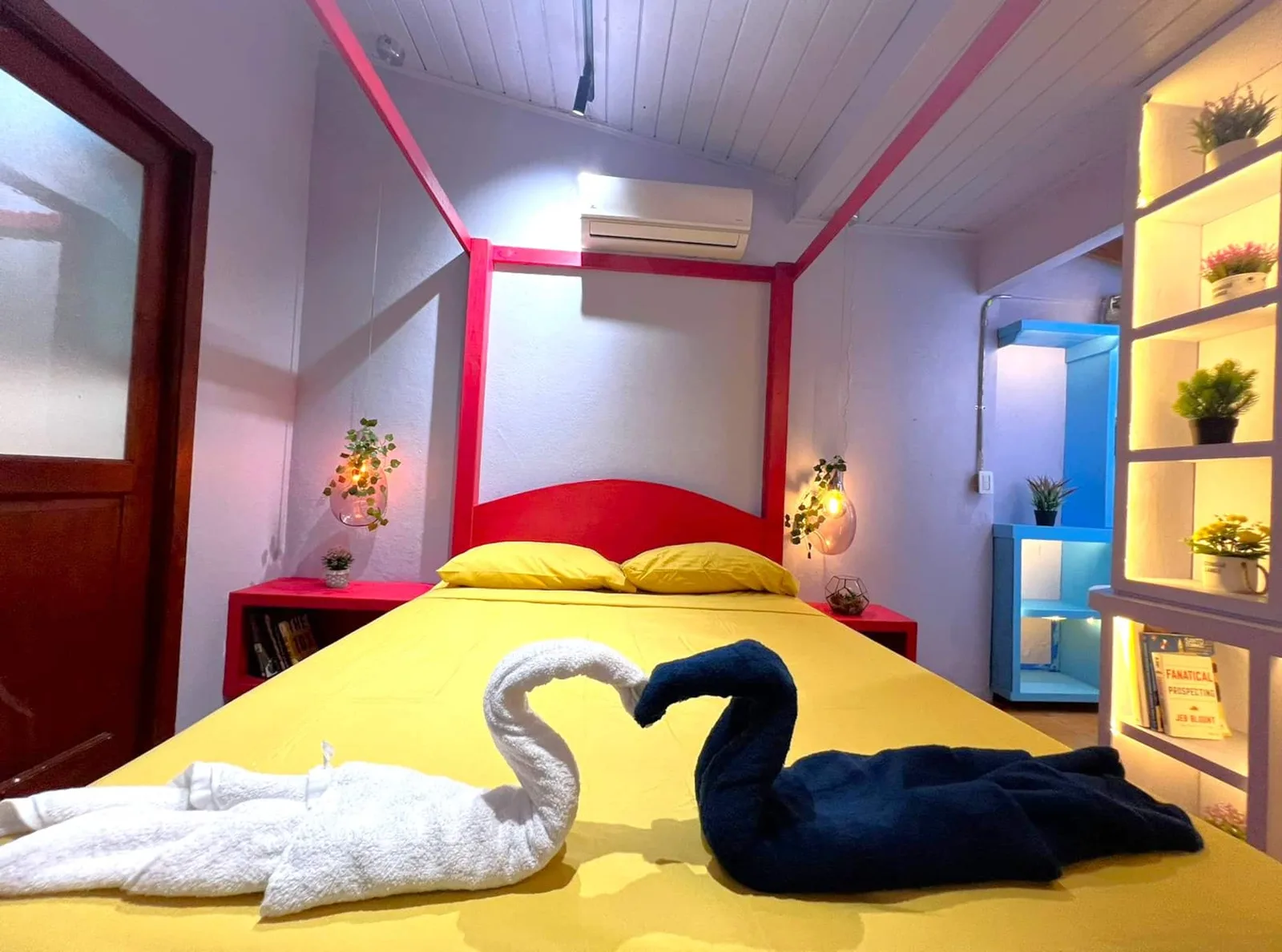
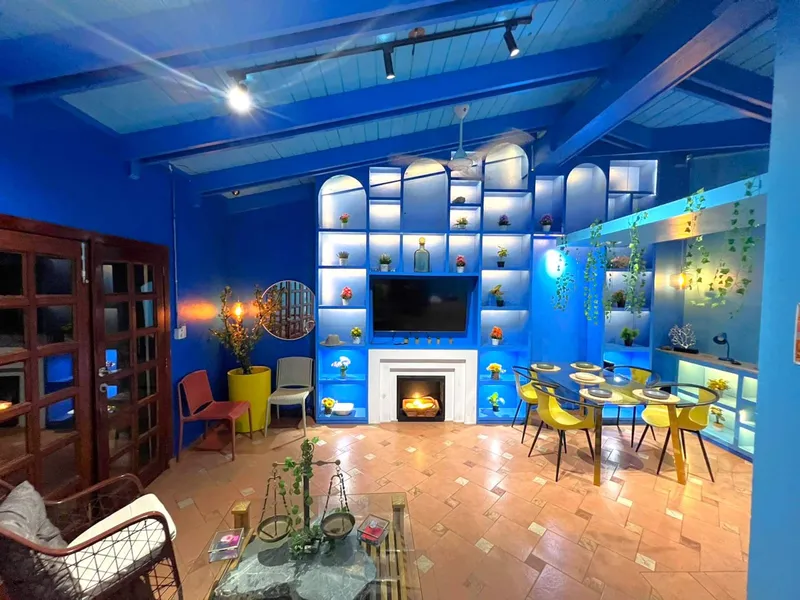
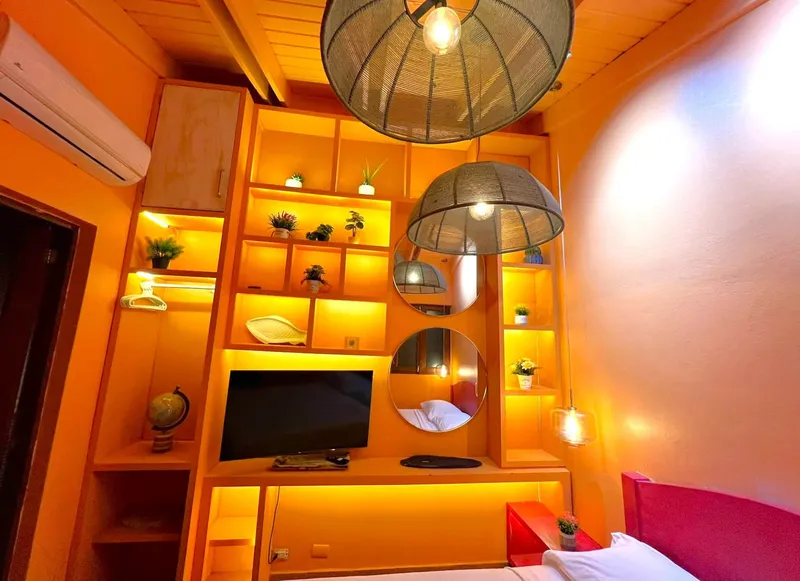
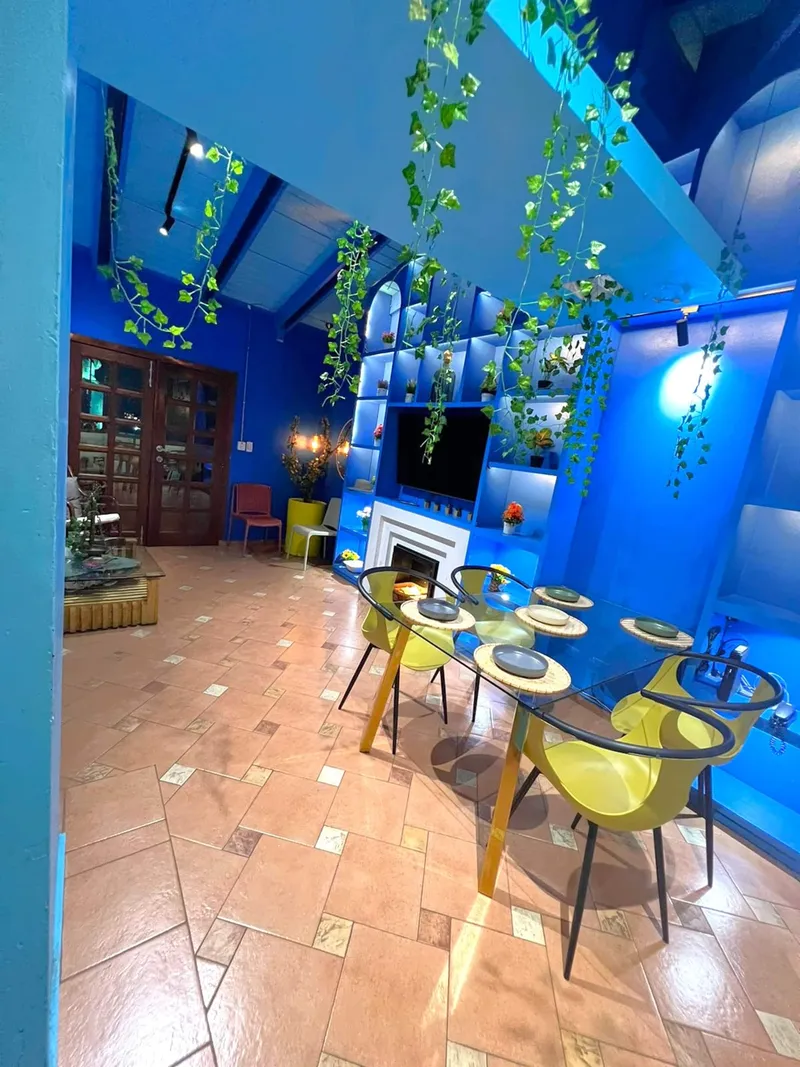
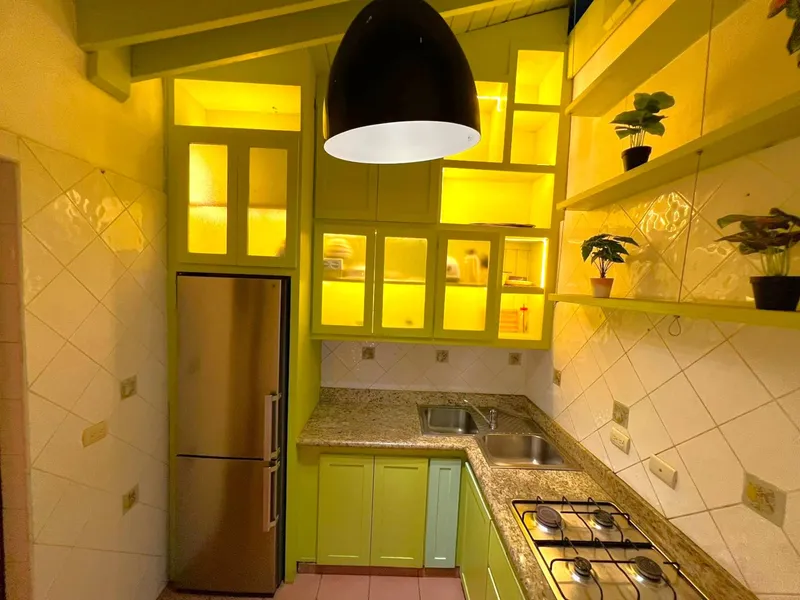
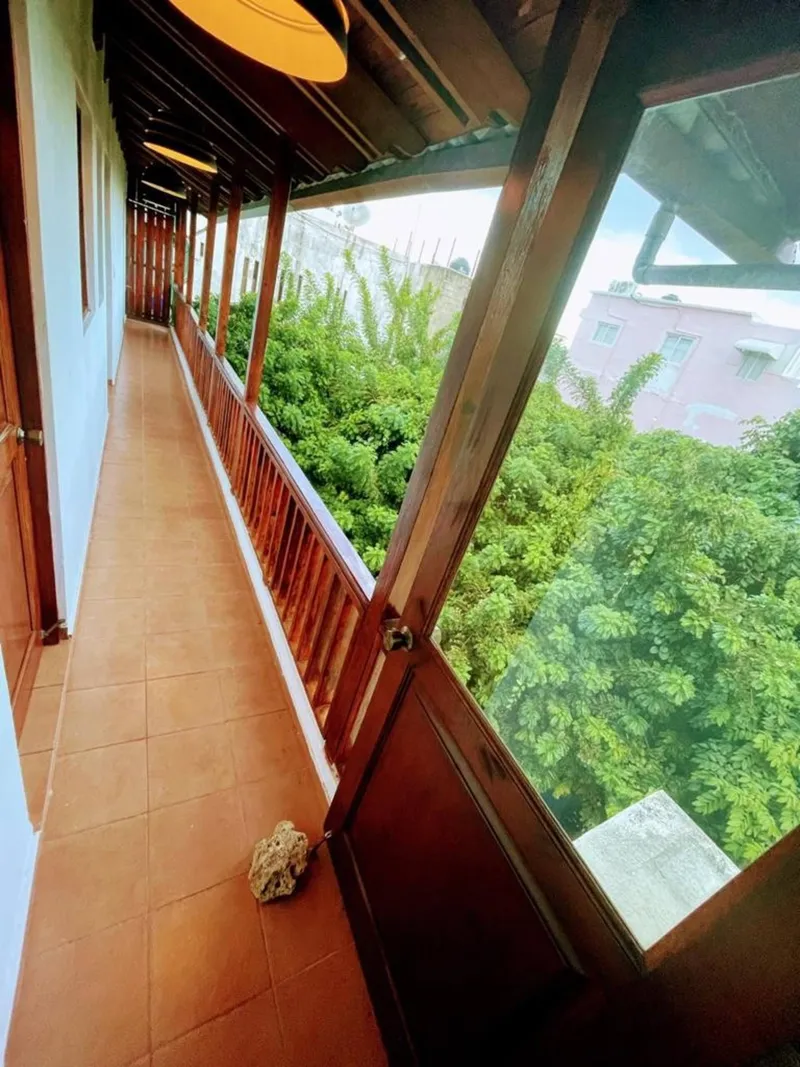
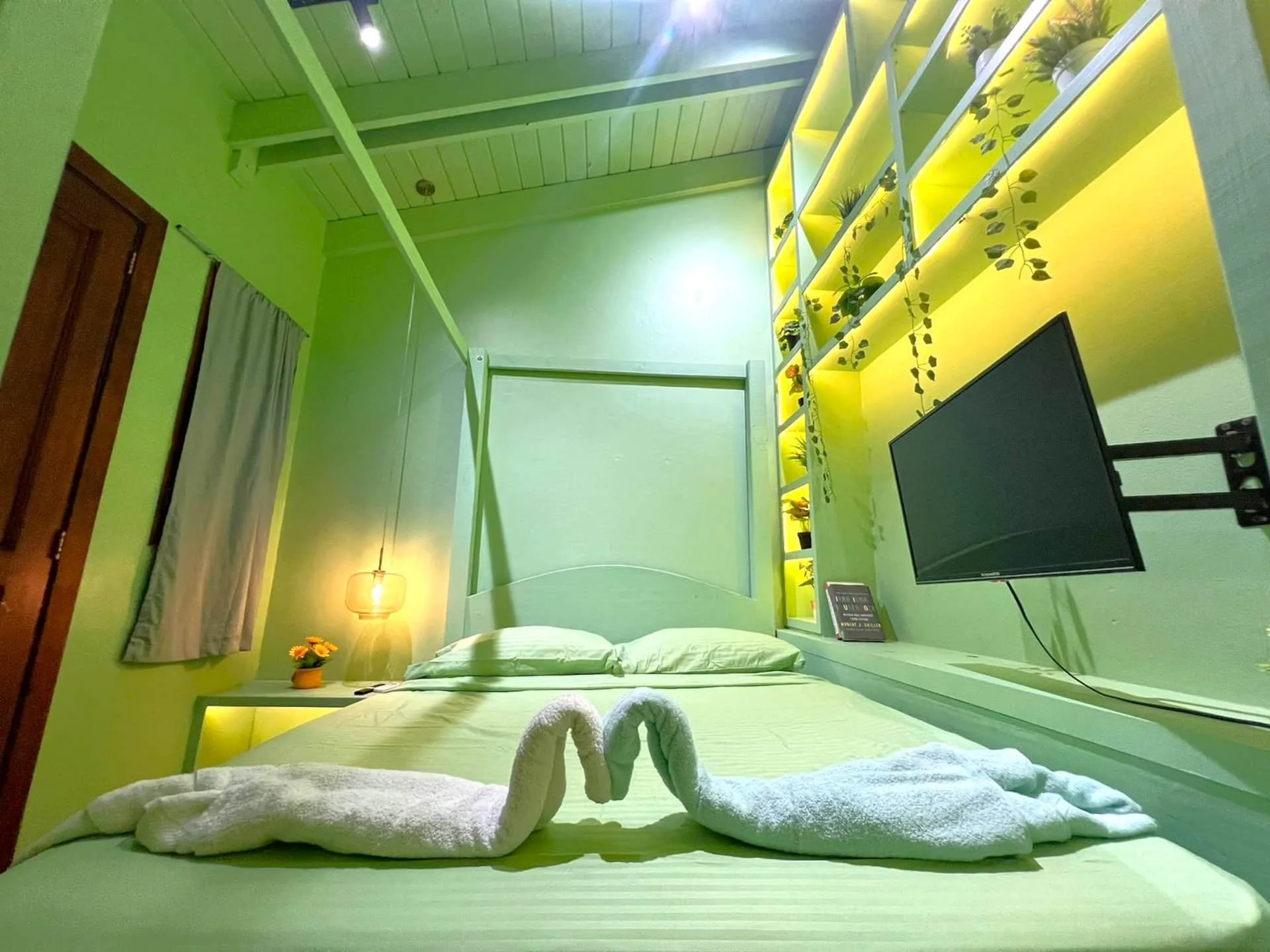
Penthouse Pallazzo is on the third floor of a walk-up with no elevator, so pack luggage you can carry up two flights, and a soft duffel is easier than a rigid case. The three suites each have a private bathroom, air conditioning and a TV, there's Wi-Fi, ethernet and a dedicated workspace, and the full kitchen makes bottled water and a first breakfast easy. Power cuts happen in the Zona Colonial, and backup batteries run the lights and phone charging for up to 8 hours, but not the air conditioning.
Frequently asked questions
Do I need an adapter for the Dominican Republic?
Not if you come from the United States or Canada. The tourism board says electricity is 110 volts and US and Canadian visitors don't need adapters. Travelers from regions with 220 to 240 volts need a plug adapter and should check that each device accepts 110 volts.
Is the tap water safe to drink?
No. The UK government says tap water in the Dominican Republic is not drinkable, and the tourism board says not to drink it or swallow shower water. Use bottled water for drinking and for brushing your teeth if you have a sensitive stomach.
Should I bring dollars or pesos?
Bring a card and a small amount of dollars for the first day, then use a bank ATM for pesos. Cash in small peso bills is what you want for markets, snacks and tips. Dollars can be exchanged at banks and authorized offices.
How much should I tip?
Restaurant bills usually already include a 10 percent service charge and the 18 percent ITBIS sales tax. The tourism board suggests adding another 10 percent for the server if you were happy, and says taxis don't expect a tip.
What should I wear to visit churches?
Cover your shoulders and knees, remove a hat inside, and wear closed shoes you can walk in on cobblestones. A light scarf in your day bag handles most situations.
Do I need a power bank?
Yes. Power cuts are frequent enough in 2026 that a power bank is the cheapest comfort you can pack, along with a small battery for your router if you work online.
Sources
- https://www.nhc.noaa.gov/climo/
- https://www.godominicanrepublic.com/travel/travel-tips
- https://www.godominicanrepublic.com/travel/entry-requirements
- https://www.godominicanrepublic.com/destinations/santo-domingo/
- https://www.godominicanrepublic.com/travel/getting-around
- https://www.power-plugs-sockets.com/mm/dominican-republic
- https://wwwnc.cdc.gov/travel/destinations/traveler/none/dominican-republic
- https://www.gov.uk/foreign-travel-advice/dominican-republic/health
- https://www.gov.uk/foreign-travel-advice/dominican-republic/safety-and-security
- https://www.gov.uk/foreign-travel-advice/dominican-republic/entry-requirements
- https://travel.gc.ca/destinations/dominican-republic
- https://travelhealthpro.org.uk/country/67/dominican-republic
- https://revistamercado.do/actualidad/apagones-en-republica-dominicana-empeoran-con-el-calor-interrupciones-aumentaron-hasta-20-veces-al-mes-en-2026/
- https://revistamercado.do/money-invest/daily-news/llegan-nuevos-billetes-en-rd-que-pasa-con-los-viejos-de-rd50-rd100-y-rd500-que-tienes-en-el-bolsillo/
- https://4stogo.com/blog/posts/sim-card-providers-dr
- https://www.expat.com/en/forum/central-america/dominican-republic/983007-remote-work.html
- https://www.wheressharon.com/family-trip-usa-caribbean/things-to-do-in-santo-domingo-with-kids/