Dominicans celebrate outdoors, in public and at volume, and the capital has a festival calendar that rewards planning. The biggest date is Carnaval in February, which ends in the national parade on the Malecón, followed by Independence Day on 27 February. Holy Week is the quietest and most devout week of the year in the old city. Merengue has its own national day on 26 November. Christmas arrives in late November with a lit tree on the seafront and lasts until Three Kings Day.
This page explains what each celebration involves, when it fell in 2026, what is known about 2027, and how to plan a stay around it. Dates in Dominican festivals move more than visitors expect, so each one below is tied to a published calendar or a news report, and the advice is to confirm the day when your own dates are fixed.
Carnaval in Santo Domingo
Carnaval is held across the country through February and into March, city by city, usually on Sunday afternoons. The calendar is staggered so that the groups, the costume makers and the audience can move from one parade to the next. The 2026 calendar of closing parades started with Punta Cana on 21 February and went through La Vega on 27 February, Santiago, Puerto Plata and San Pedro de Macorís on 1 March and Bonao on 8 March. The last on that list, Santo Domingo's national parade, was held on Sunday 15 March at 3 p.m. on the Malecón.
The capital has two parades. The first is the Distrito Nacional carnival, organized by the city government with the carnival union of the Distrito Nacional. In 2026 it took place on Sunday 22 February, at about 3 p.m., on Avenida George Washington in front of Parque Eugenio María de Hostos. More than 70 comparsas, which are the organized costume groups, took part, and Mayor Carolina Mejía opened it with the confetti shot. The competition categories that year ran from the Gran Comparsa and best floats to traditional devils, fantasy devils, historic comparsas and individual costumes. The edition was dedicated to Dr. José Guillermo Mieses, known as Pepe, who founded the comparsa Los Leones del Diablo.
The second is the national parade, organized by the Ministry of Culture. In 2026 it was dedicated to the province of Puerto Plata and its emblematic figure, the taimáscaro. Officials counted about 170 comparsas and nearly 9,000 participants, and invited delegations from the Carnaval de Negros y Blancos in Pasto, Colombia, from Ghana's national federation of masqueraders, from the Rio de Janeiro samba schools league and from the Carnaval de la Playa de Ponce in Puerto Rico. The king was the documentary maker Mariano Hernández and the queen the communicator Zoila Luna.
Local guides say that the capital's main parade is traditionally the last one, and that it was once held on Calle El Conde before it moved to the Malecón. That is consistent with the 2026 calendar, where the national parade closed the season.
The Characters
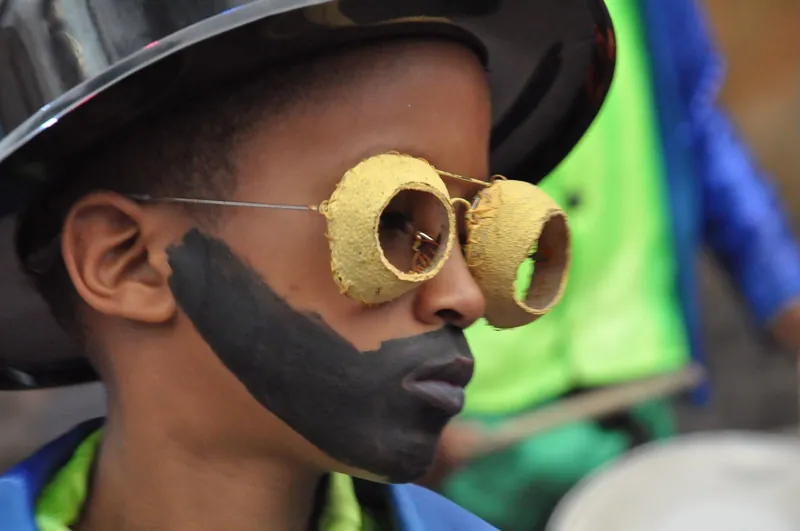
Dominican Carnaval is a satire. The historian Dagoberto Tejeda Ortiz, quoted in Acento's coverage of the 2026 parade, says it came from Spain and was transformed into something Dominican in the popular neighborhoods. The costumes make fun of power, of the devil, of neighbors and of the news, and every year groups add new targets.
The diablo cojuelo, the limping devil, is the national figure. Tejeda says the devil in Dominican carnival is a satire of the devil itself and not a devotion to him. Local guides describe frightening masks, bright costumes and whips, and the vejiga, an inflated balloon on a strap that was once made from a cow or pig bladder and is now often rubber, used to keep the crowd back. Officials limit how hard the vejigas may be and ban sharp attachments. A local guide says being hit is considered lucky, and advises standing away from the devils if you would rather not find out. The simplest rule for a visitor is to keep a few steps back from any devil who is carrying one.
Roba la Gallina, the chicken robber, is a comic figure in a wide skirt, often played by a man dressed as a woman, who walks with an umbrella and shakes the skirt while the crowd sings along. In the 2026 parade, Acento reports, the skirt drew laughter and chanting from the audience.
Califé is a traditional street chronicler of carnival. The same newspaper describes him as a figure who used wit to get around censorship in difficult periods, and says his return in 2026 reinforced the idea of carnival as social criticism. A photograph of a Califé from the Zona Colonial on Wikimedia Commons notes that the character's face is painted black, which the photographer links to African heritage and slavery, and that historians disagree on whether the lips and eyes were traditionally red or white.
Other figures include Los Galleros and the Disfrázate de Maíz groups. In 2026 some comparsas honored the land campaigner Mamá Tingó and the Mirabal sisters, who resisted the Trujillo dictatorship.
Practical Notes for a Parade Day
The security plan for the 2026 national parade shows what to expect at any big parade on the Malecón. More than 900 military, police and public order officers were on duty, with about 300 emergency responders, eight first-aid posts along the seafront and two tents for lost children. The organizers banned firearms, knives and sharp objects, animals, glass bottles, cans and other hard containers, and chichiguas, the paper kites.
Roads close. For the 2026 national parade, Avenida George Washington between Avenida Máximo Gómez and Calle Palo Hincado closed from 10 p.m. on the Friday until the parade ended, and the section between Avenida Abraham Lincoln and Calle Palo Hincado was shut from midnight on Saturday until 5 a.m. on Monday. If you are traveling by car or taxi, plan to walk the last stretch and leave extra time.
Bring water, a hat and small bills, keep your phone and wallet in front pockets, and pick a meeting point in case your group is separated. Parades start in the afternoon and run into the evening. Reports from the 2026 national parade describe crowds gathering from the early afternoon.
Independence Day on 27 February
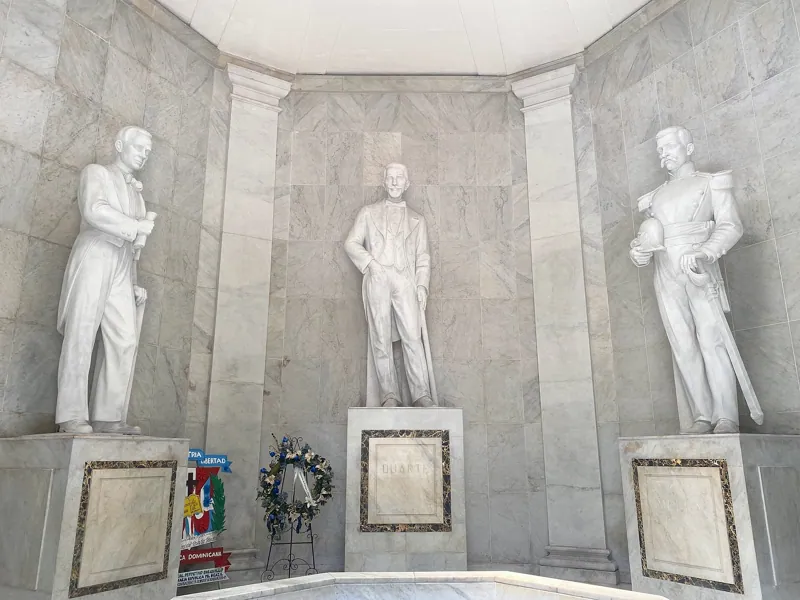
Independence Day marks 27 February 1844, when Juan Pablo Duarte, Francisco del Rosario Sánchez and Matías Ramón Mella proclaimed independence from Haiti at the Puerta del Conde, today the gate in Parque Independencia. Read the Puerta del Conde article for the story of that night and the Duarte article for the man himself.
The 2026 program, reported by the newspaper El Día, was an official ceremony at the Altar de la Patria, where the remains of the founders rest, followed by a military and police parade on the Malecón. Schools, public offices and private groups held cultural acts and history talks. Several banks and state bodies placed floral wreaths at the altar during the month. The date is a fixed holiday, and in 2026 it fell on a Friday. In 2027 it falls on a Saturday, so there is no long weekend, but the parade and ceremony are still held on the date.
Independence Day sits inside the Month of the Homeland, which begins on 26 January, the birthday of Duarte, and ends on 9 March, the birthday of Sánchez. In 2027 the Duarte holiday is moved to Monday 25 January.
Holy Week
Holy Week is the opposite of Carnaval. Good Friday is a national holiday and a quiet one. A guide to Holy Week in the Zona Colonial, drawn from sources between 2012 and 2016, describes churches full, processions between Las Mercedes and the Catedral Primada, the habit of eating fish and seafood instead of meat, and a custom of flying chichiguas, the paper kites, on Saturday as a sign of hope. It also reports that many residents leave town for the beach, that Santo Domingo becomes quiet, and that most businesses close. The same guide notes rules against loud music on Good Friday and restrictions on beaches, and says to check the current rules before you travel.
The 2026 schedule at the Catedral Primada gives a sense of the week. Palm Sunday on 29 March had Masses at noon and 5 p.m. On Holy Thursday, 2 April, there were a Chrism Mass at 9:30 a.m. and a Mass of the Lord's Supper at 5 p.m. On Good Friday, 3 April, the Catedral Primada held the Seven Words sermon at 1 p.m. and 3 p.m., the Liturgy of the Passion at 3 p.m. and a Holy Week concert at 8 p.m. The Easter Vigil on Saturday 4 April started at 7 p.m., and Easter Sunday Masses were at noon and 5 p.m., with baptisms at 1 p.m. Times change, so check the Catedral Primada's own announcements for the week you are here.
Hotel occupancy that week was about 90 percent nationwide, the tourism minister said, so book early if you want to be in the old city for it.
In 2027 Good Friday is on 26 March, and Corpus Christi on 27 May.
Merengue
Merengue is the national music and dance. UNESCO inscribed it on its list of the intangible cultural heritage of humanity in 2016. Its file describes dancers moving in pairs with flirtatious gestures, in circles, to music played on accordion, drum and saxophone, and says Dominicans from many social classes take part, with children usually learning early by watching and imitating. A 2005 presidential decree set 26 November as National Merengue Day, and UNESCO notes that merengue festivals are held every year in cities including Santo Domingo and Puerto Plata.
For 2026, a free festival called Merengueros El Festival was announced for the evenings of Friday 13 to Sunday 15 November at Parque Eugenio María de Hostos on the Malecón, starting at 8 p.m. each night. It is the first edition produced by Alberto Cruz Management, and its lineup included Wilfrido Vargas, Fernando Villalona, Miriam Cruz, Pochy Familia, Kinito Méndez and Los Hijos de Rubby Pérez, among others. The festival is part of the activities around National Merengue Day.
For merengue in a smaller setting, the Sunday evening concerts at the San Francisco ruins are the best-known free option. Read the night guide for the details.
Christmas and New Year
The Christmas season starts in the last week of November. In 2025 the Distrito Nacional city government lit a large tree at Plaza Santo Domingo on the Malecón on Wednesday 26 November, with a fireworks finale. Avenida George Washington was decorated with canes, balls and garlands from the Núñez de Cáceres intersection to the Obelisco, and the city promoted Christmas activities in its renovated parks and plazas.
In the Colonial City, the Ministry of Tourism launched Turizoneando in late December 2025, a program of weekend concerts, local food and discounts at bars and hotels, planned for 18 weekends through April 2026, with churches and museums extending their hours. The first weekend, on 27 and 28 December, featured the singers Maridalia Hernández and Pável Núñez. Check whether a new season has been announced for the winter you plan to visit.
Christmas Day, 25 December, and New Year's Day, 1 January, are fixed national holidays. Three Kings Day, 6 January, is moved to the nearest Monday when it falls on another weekday. In 2026 it was observed on Monday 5 January, and in 2027 it moves from Wednesday 6 January to Monday 4 January. Our Lady of Altagracia, on 21 January, is also a fixed holiday.
Planning Around the Calendar
- February is the best month for Carnaval and Independence Day, and one of the busiest for hotels. Book months ahead.
- Late March or early April is Holy Week, a quiet city with full hotels.
- 26 November is National Merengue Day, a good date for music, with the Christmas season starting the same week.
- December is lights, concerts and dry weather, and it is the high season.
- September and October have few festivals. Read the best time to visit post if you are choosing between a festival month and a quiet one.
Festival days change the logistics of the Zona Colonial. Roads near the Malecón close, taxis take longer, and restaurants fill early. The advice for any big date is to eat early, keep your plans loose and walk, because the old city is compact. For a longer look at what the neighborhood offers day to day, see the Zona Colonial guide.
How the Penthouse Fits
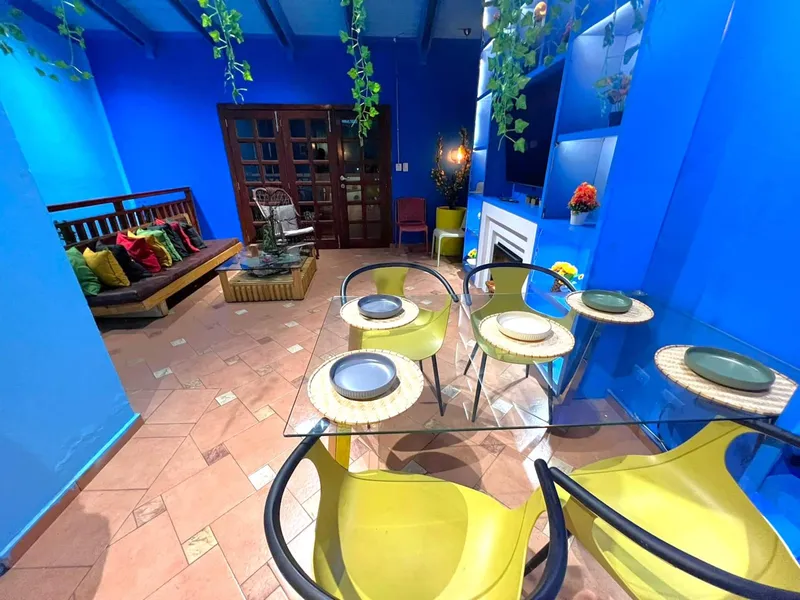
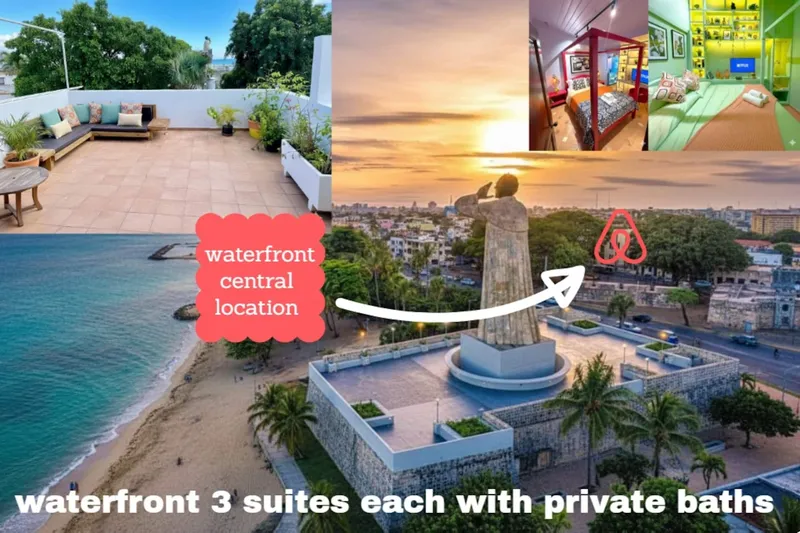
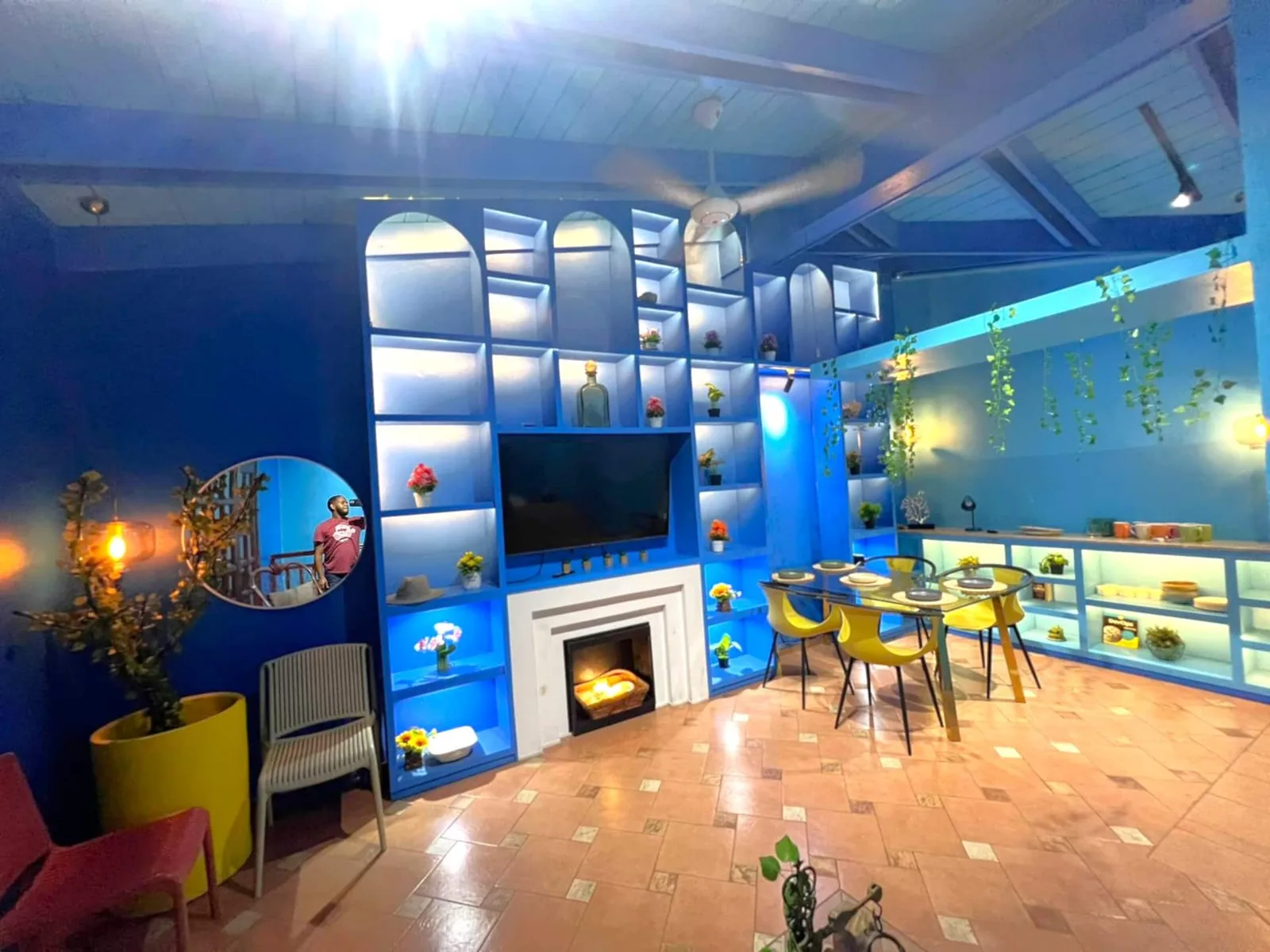
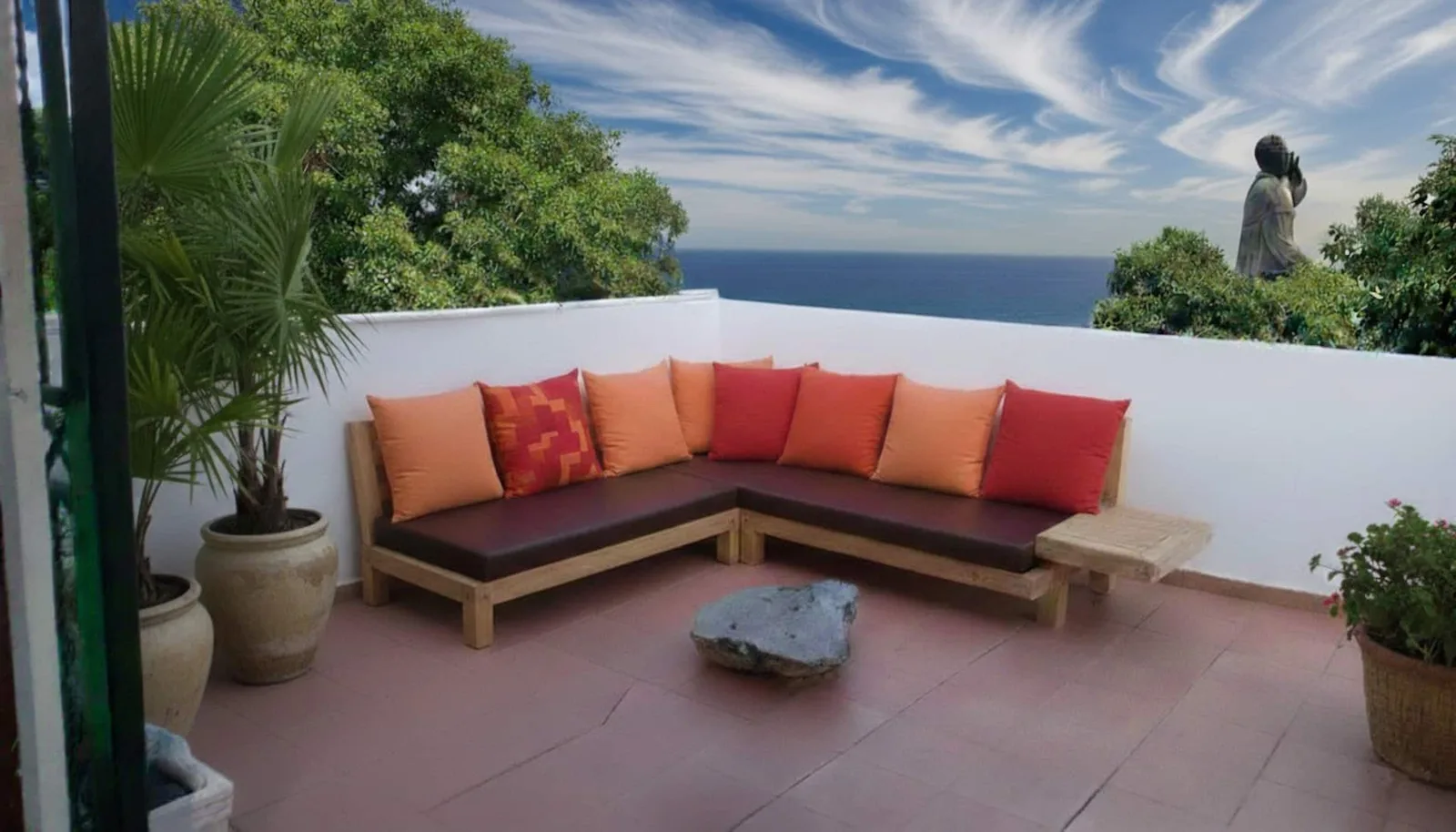
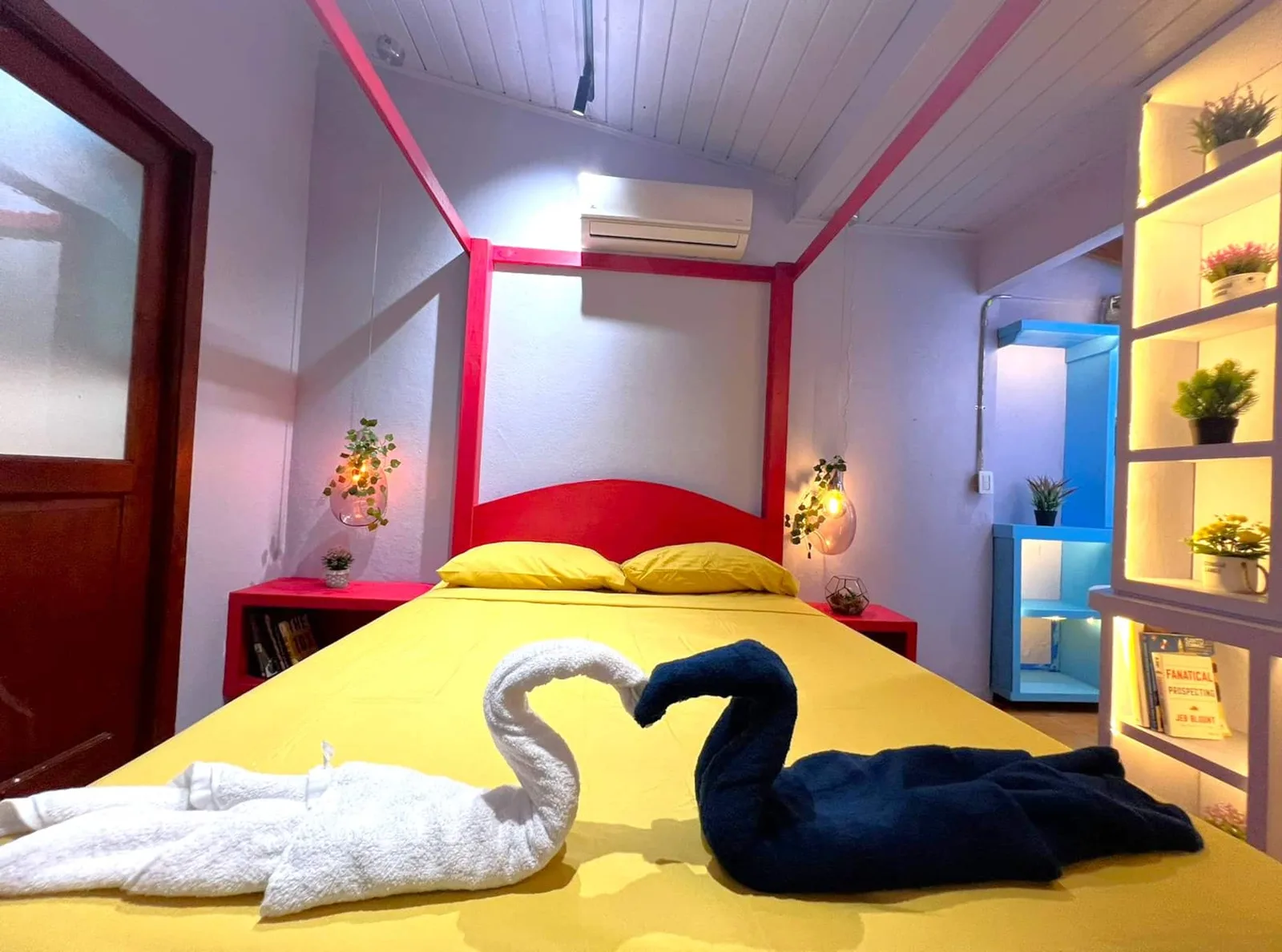
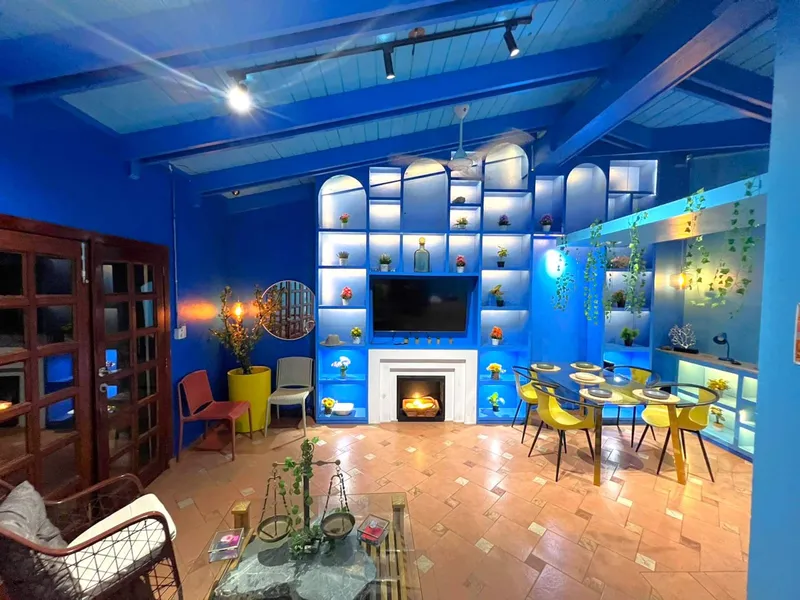
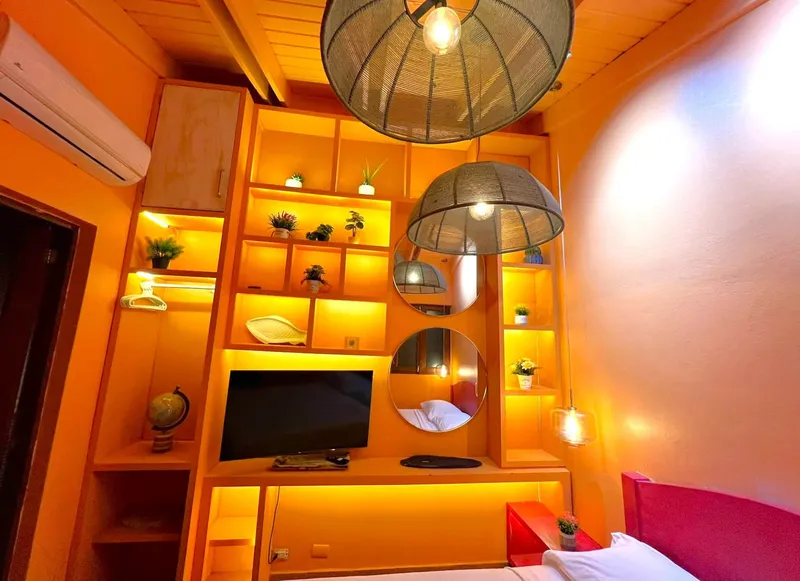
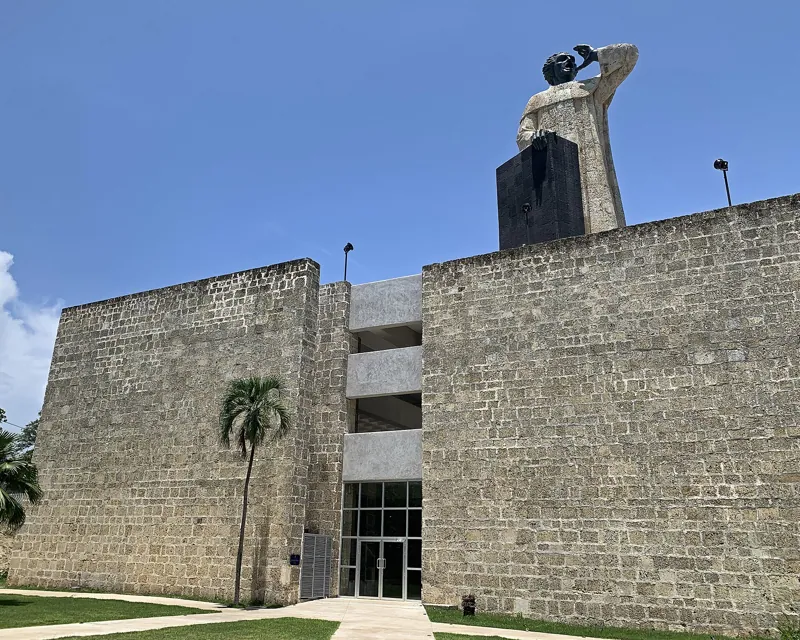
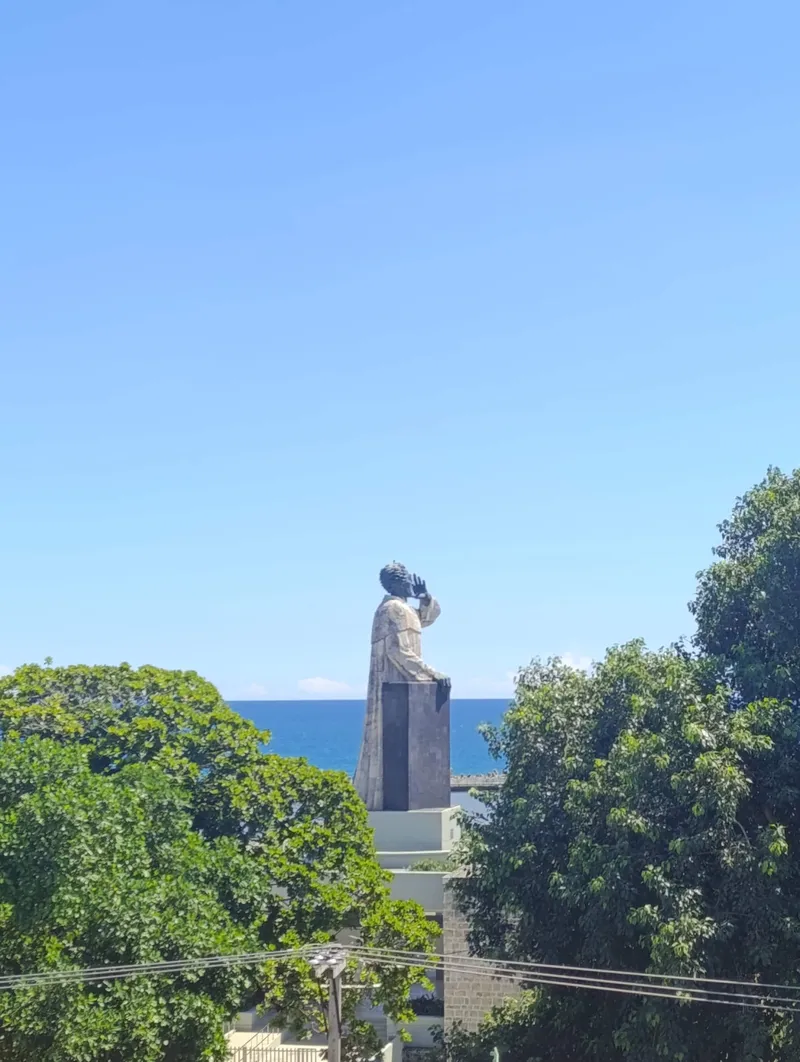
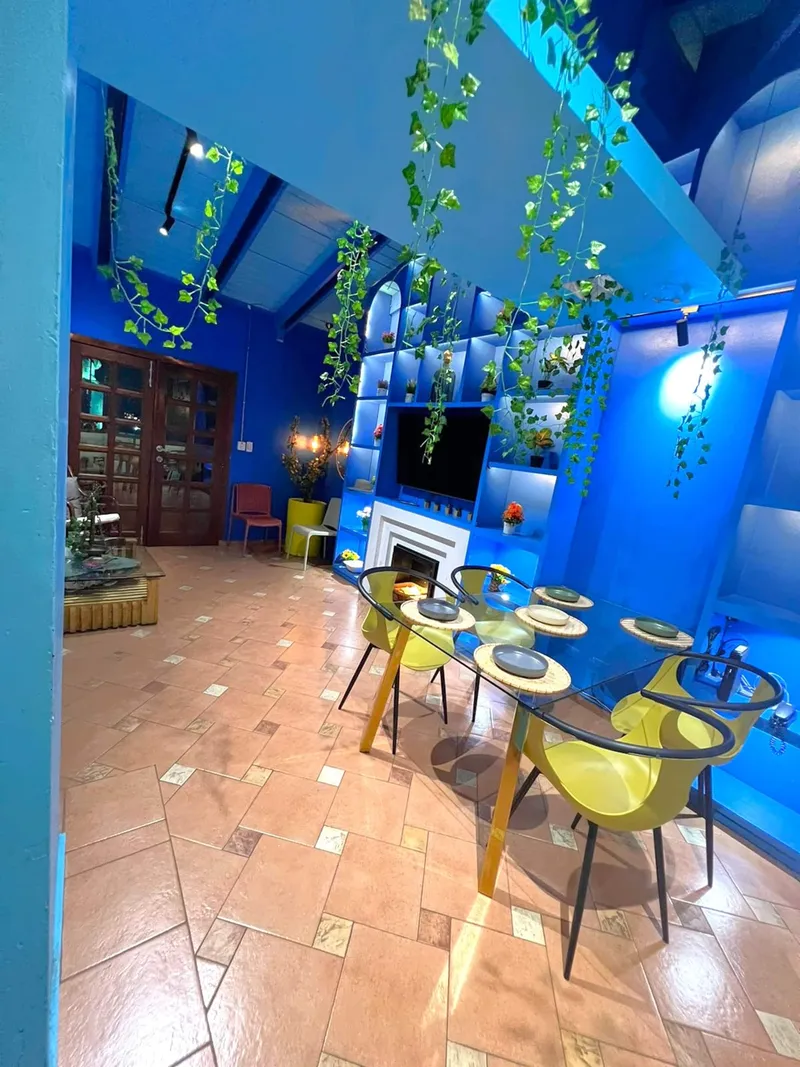
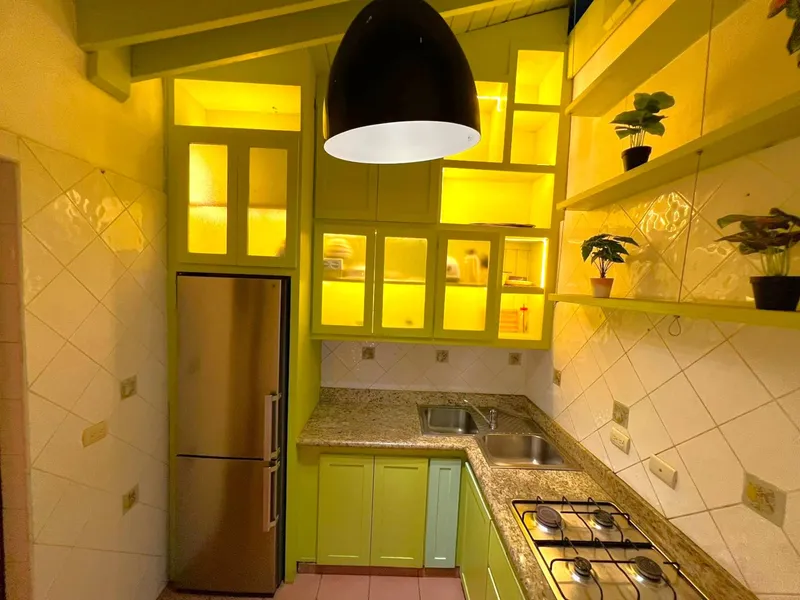
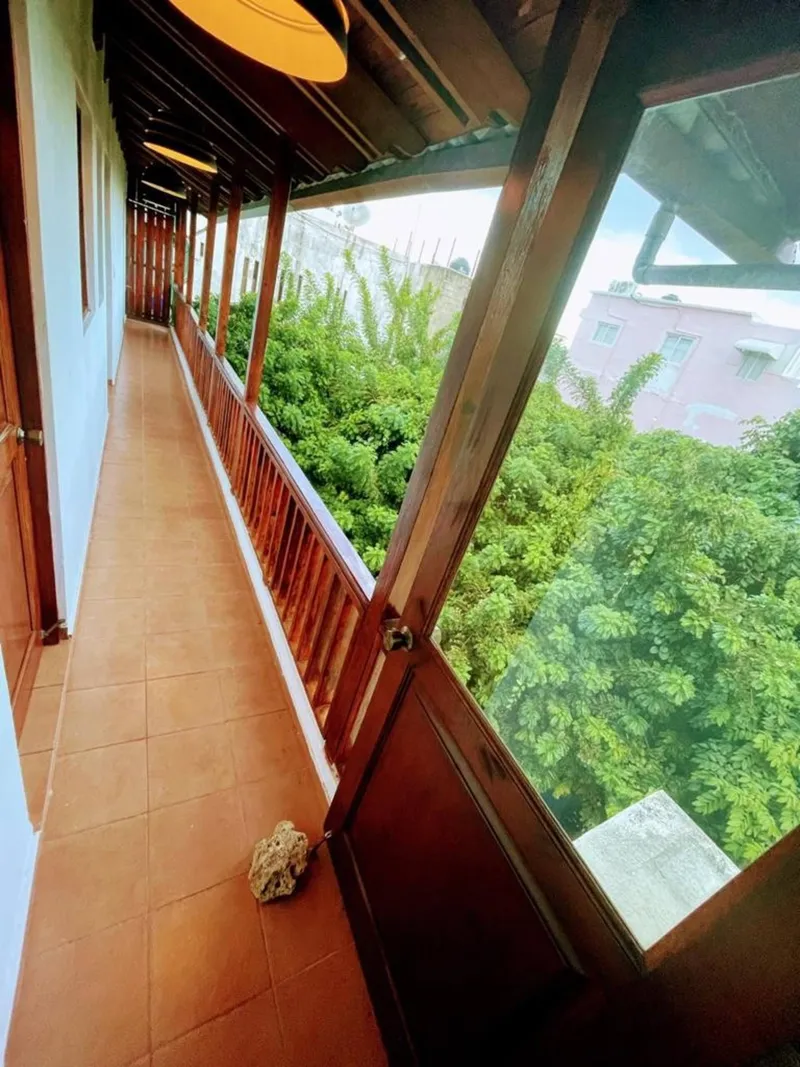
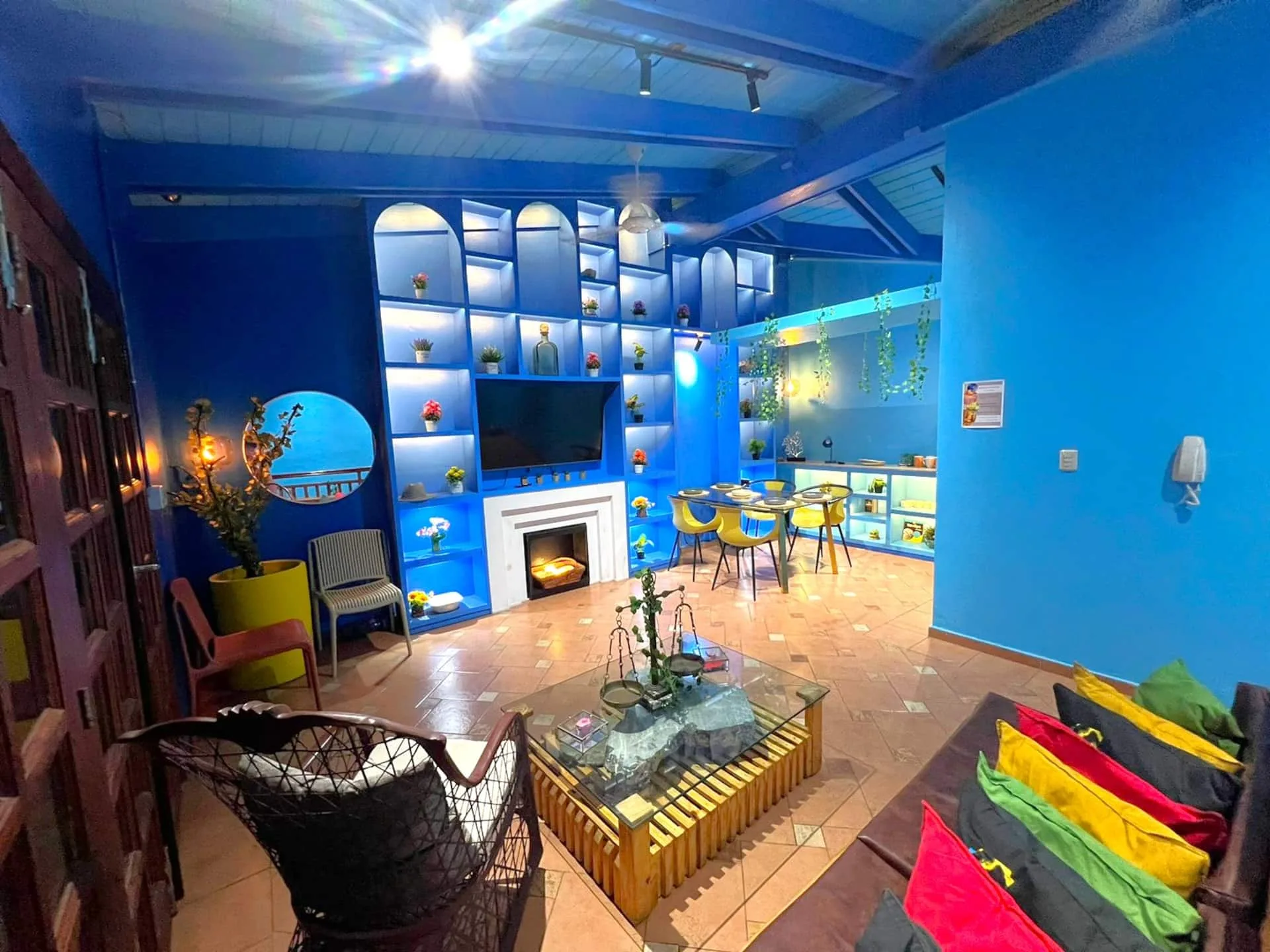
The penthouse has a private deck facing the Montesinos monument and the sea, on the third floor of a townhouse with no elevator. It has three suites, each with a private bathroom, air conditioning and a TV, and a full kitchen. Stays of 28 nights or more are allowed, which suits a trip that runs from Carnaval through Independence Day. Power cuts happen in the Zona Colonial, and backup batteries run the lights and phone charging for up to 8 hours, not the air conditioning.
Frequently asked questions
When is Carnaval in Santo Domingo?
It runs through February and into March. In 2026 the Distrito Nacional parade was on Sunday 22 February and the national parade on Sunday 15 March, both on the Malecón. The 2027 dates were not yet published at the time of writing, so check the Ministry of Culture and the city government.
Is 27 February a parade day?
Yes. On Independence Day there is an official ceremony at the Altar de la Patria and a military and police parade. The date is a fixed holiday and does not move to a Monday.
What is a diablo cojuelo?
It is the limping devil, the best-known carnival costume in the Dominican Republic. The historian Dagoberto Tejeda Ortiz calls it a satire and not an act of devotion. Stay a few steps back from the devils, because many carry a vejiga.
Is Holy Week a good time to visit?
It is quiet in the city and busy for hotels, with national occupancy around 90 percent in 2026. Expect services at the Catedral Primada, closed businesses on Good Friday and few events beyond the church program.
Is the merengue festival free?
The 2026 Merengueros El Festival, on 13 to 15 November at Parque Eugenio María de Hostos, was announced as free for all three nights.
Sources
- https://cdn.com.do/nacionales/carnavales-2026-fechas-y-destinos-esenciales/
- https://eldia.com.do/santo-domingo-celebra-su-identidad-carnaval-del-distrito-nacional-2026-llena-el-malecon-de-fiesta-y-folclore/
- https://diariolibre.com/revista/cultura/2026/03/12/carnaval-nacional-2026-y-operativo-de-seguridad-en-el-malecon/3467137
- https://elnuevodiario.com.do/inicia-el-desfile-nacional-de-carnaval-2026-en-el-malecon/
- https://acento.com.do/cultura/tradicion-satira-y-memoria-asi-se-vivio-el-carnaval-de-santo-domingo-9627601.html
- https://www.colonialzone-dr.com/carnival/
- https://eldia.com.do/republica-dominicana-celebra-el-182-aniversario-de-la-independencia/
- https://www.colonialzone-dr.com/semana-santa/
- https://acento.com.do/actualidad/semana-santa-2026-estas-son-las-celebraciones-en-la-catedral-primada-y-la-basilica-de-la-altagracia-9649079.html
- https://eldia.com.do/ocupacion-hotelera-alcanza-hasta-90-a-semana-santa/
- https://ich.unesco.org/en/RL/music-and-dance-of-the-merengue-in-the-dominican-republic-01162
- https://revistamercado.do/actualidad/merengueros-el-festival-quienes-cantan-y-a-que-hora-son-las-tres-noches-gratis-en-santo-domingo/
- https://diariolibre.com/actualidad/ciudad/2025/11/26/alcaldia-del-dn-inicia-temporada-de-navidad-con-encendido-arbolito/3351394
- https://elnuevodiario.com.do/turismo-activa-la-zona-colonial-con-turizoneando/
- https://revistamercado.do/money-invest/daily-news/feriados-2027-calendario-oficial-ministerio-de-trabajo/
- https://acento.com.do/actualidad/cuales-son-los-feriados-2026-que-no-se-cambian-en-republica-dominicana-aqui-te-lo-contamos-9689966.html
- https://commons.wikimedia.org/wiki/File:Califé_urbano.jpg