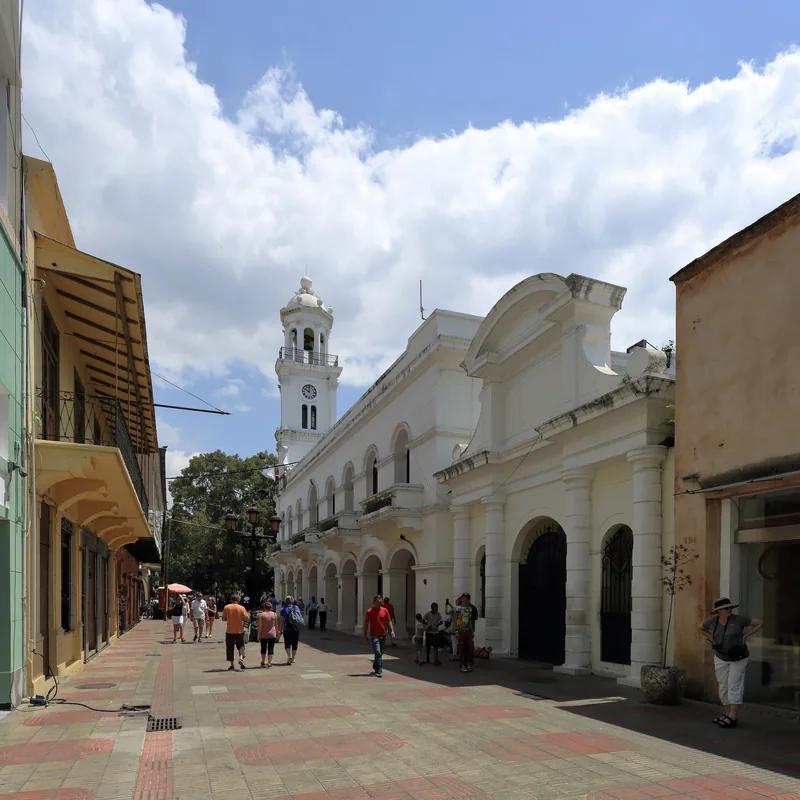
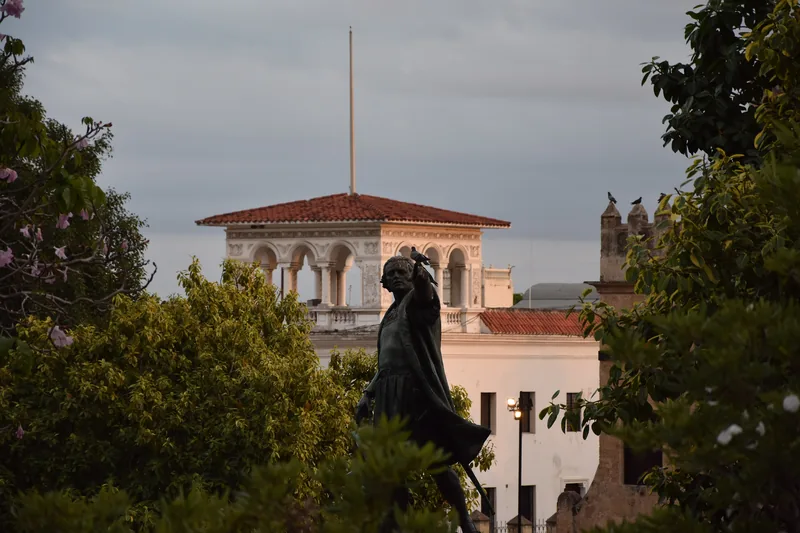
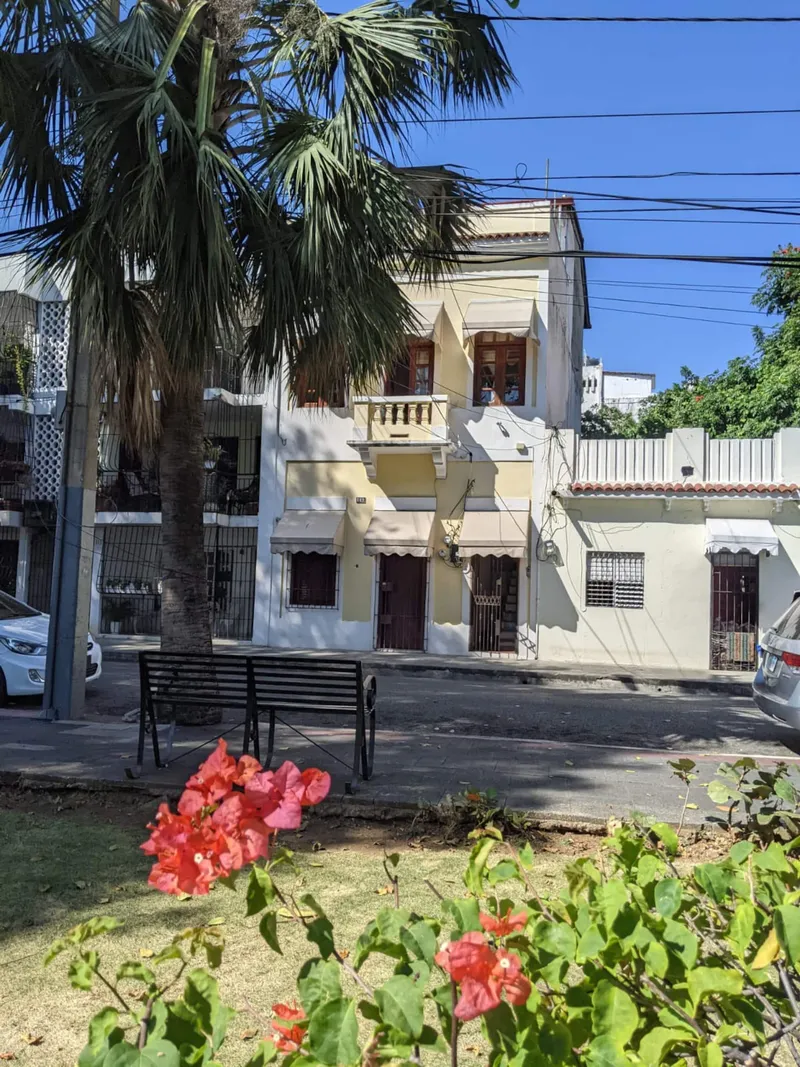
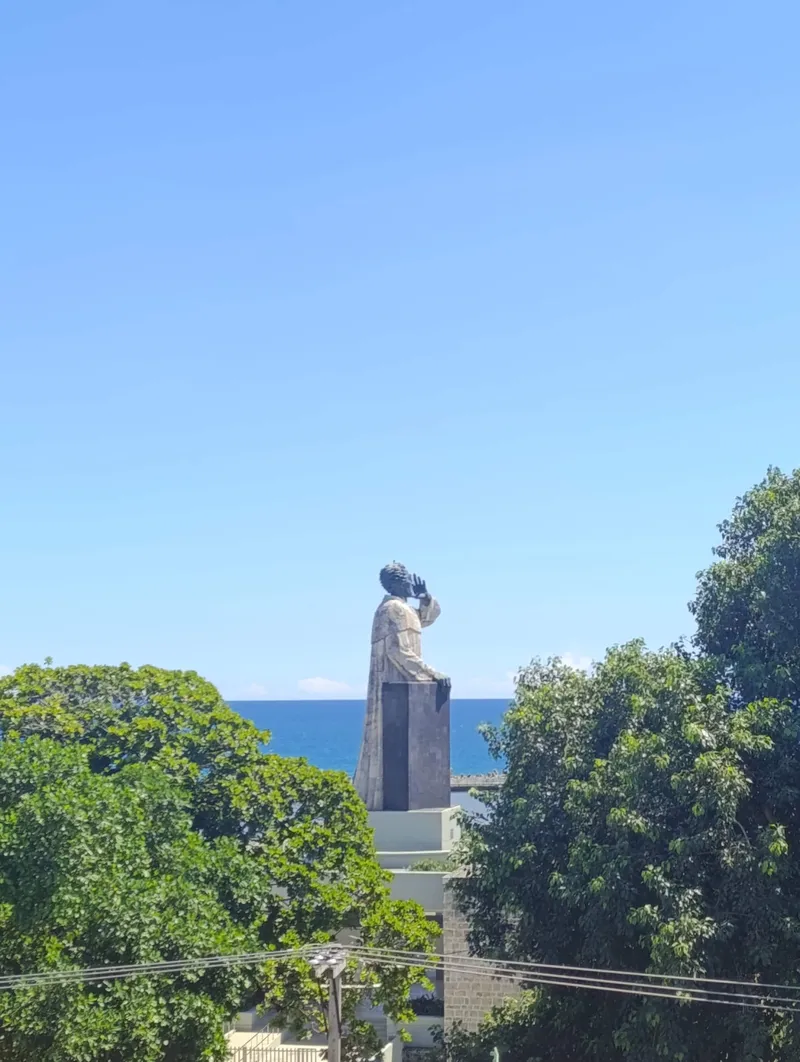
A month in one place changes how a city feels. You stop collecting sights and start learning which bakery opens early, which street is shaded at noon and which corner has the fastest signal. The Zona Colonial suits this better than most places because the old city is small, walkable and full of cafés, and because the Malecón, the sea front promenade, is a short walk away for a break from the screen.
Working from Santo Domingo also comes with real questions. How fast is the internet? What happens when the power goes out? Where do you go if you want an office desk? How long can you stay on a tourist entry? This article answers those with the numbers and rules available now, and it lays out a daily routine that has worked for people who work remotely here.
The internet you can expect
The most recent independent measurement is Ookla's Speedtest Connectivity Report for the first half of 2025, as reported in the Dominican press. For the whole country, the median fixed-line (home broadband) speed was 52.59 megabits per second down and 32.77 up, and Claro was the fastest fixed provider. Mobile medians were 69.54 down and 13.71 up, with Claro again leading overall. Santo Domingo had the highest medians in the country: 60.21 Mbps on fixed lines and 131.61 Mbps on mobile.
Those are medians across all users, including slow plans in older buildings. They tell you the city is well ahead of the national average, and that mobile data in the capital is fast enough to serve as a backup. Travel guides aimed at remote workers describe fiber in Santo Domingo and Santiago at roughly 100 to 300 Mbps on good plans, and say the Colonial Zone and Piantini are among the places with the fastest fiber. A nomad directory lists the capital's typical speed at about 115 Mbps down and 63 up, and warns that the power grid is not reliable.
For work, the useful numbers are lower than the headline ones. A video call needs a steady connection of a few megabits both ways, and what ruins a call is not low speed but dropouts. Residents on an expat forum describe the difference: a 15 Mbps line froze Microsoft Teams calls, while a 100 Mbps Claro connection worked, and business plans were described as more stable than residential ones, which some posters said dropped for a minute or two at a time. The takeaway is to ask about stability, not just speed.
Before you commit to any long stay, ask for a recent speed test taken on the Wi-Fi, and ask whether the router or the building has battery backup. The house described at the end of this article has ethernet as well as Wi-Fi, which matters for important calls because a cable removes the Wi-Fi from the chain.
A second connection
Plan on two paths to the internet. The usual backup is a local SIM or eSIM from Claro or Altice used as a hotspot. Travel guides report that prepaid SIM cards are sold at the Santo Domingo and Punta Cana airports, in official stores and in big malls, that a passport is needed to activate one, and that a few gigabytes valid for a week or two cost the equivalent of about US$4 to US$10. Recharge cards are sold at corner stores, pharmacies and supermarkets. An eSIM can be set up in under ten minutes. Your phone must be unlocked.
Check coverage at the address you'll sleep at. Residents report occasional gaps even in the capital, so having both networks, a SIM from each carrier or one SIM and one eSIM, is the practical answer for someone who can't miss a meeting.
Power cuts and how to work through them
The grid is the weak link. Dominican press using data from the state distributors reported that between January and April 2026 the monthly average number of interruptions per customer rose from 12.94 to 17.81 at Edesur and from 8.8 to 13.25 at Edeeste, with heat and higher electricity demand cited as drivers. Not every interruption lasts long, and your neighborhood may do better or worse than the average. But a month of work means you'll meet a few.
What works:
- Charge laptops and phones fully at night and again whenever the power is on.
- Keep a power bank for the phone that doubles as your hotspot.
- Use a small battery backup for the router. People who do this report two to three hours of connection, and note that a router battery helps only when the building loses power, not when the provider's network drops.
- Know your deadline days. If a presentation is due at noon, don't spend the morning at the last 20 percent of your battery.
- Keep a flexible block of the day for the unplanned break. A cut is a good time to walk to the sea.
Where a place has generators or inverters, as many coworking spaces and larger hotels do, the problem shrinks. Smaller rentals may not have them, which is why remote-work guides tell you to confirm backup power before booking.
Where to work besides home
Cafés
Wi-Fi cafés are common in Santo Domingo, and some have English-speaking staff, according to remote-work guides. In the Zona Colonial, look on the pedestrian streets and around the plazas. Treat a café as a place to work for two or three hours with a purchase every hour or so, not as an all-day office. Public Wi-Fi isn't always secure, so use your phone's hotspot or a VPN for anything sensitive.
Coworking spaces
The coworking listings that carry current addresses for Santo Domingo cluster in the commercial neighborhoods of Naco and Piantini and along Avenida Winston Churchill, a taxi ride from the old city. A nomad directory lists these, with the amenities each advertises:
- Spirit, on Avenida Tiradentes at the corner of Presidente González, with Wi-Fi, a kitchen and a terrace.
- Smart Officenter, Avenida Lope de Vega 29, Torre Novo Centro, with Wi-Fi and 24/7 access.
- BWork, in Ensanche Naco, with 24/7 access.
- WeConnect Dominicana, Avenida Winston Churchill 95.
- The Box Working Space, Calle Erik Leonard Ekman 34, with air conditioning and standing desks.
- Thrive Dominican Republic, Avenida Winston Churchill 80.
- Regus at Roble Corporate Centre, Calle Rafael Augusto Sánchez 86, with a lounge and a café.
- 2Workspace, Calle General Cambiazo 6, with six desks, air conditioning and listed hours of 8:30 a.m. to 6 p.m., Monday to Friday.
Hours, prices and even addresses change, and some of these spaces may close, so contact the space and confirm day-pass availability before you plan around it. Coworking operators and travel guides say that such spaces typically offer fiber, generators and air-conditioned offices, which solves the power question for the days you most need it. For a month, ask about a monthly desk rather than paying by the day.
The time zone
The Dominican Republic uses Atlantic Standard Time, UTC minus 4, all year. The country doesn't change its clocks, according to time.is, so the offset to your home city moves twice a year when your clocks change.
In practice that gives you these overlaps:
- US Eastern: the same time as Santo Domingo during US daylight saving time, and one hour ahead of New York in winter.
- US Central: one hour ahead in summer and two hours ahead in winter.
- US Pacific: three hours ahead in summer and four hours ahead in winter.
- UK: five hours behind in the British summer and four hours behind in winter.
- Central Europe: six hours behind in summer and five hours behind in winter.
That makes Santo Domingo a comfortable base for a North American schedule and workable for Europe in the morning. A nomad directory notes good overlap with Europe, the UK, Latin America and the USA. If you work for a company that wants you online by nine in New York, you are working at about the same hour you'd work at home, minus the commute.
How long you can stay
Most nationalities who might read this need no visa for tourism. The tourism board's entry page says nationals of the US, Canada, the UK, the EU, Mexico, Japan, Israel and many other countries don't need a visa, and it says holders of valid US, Canadian, UK or Schengen visas can also enter. The UK and Canadian governments both give the visa-free stay as 30 days. The tourism board adds that staying more than 30 days requires an extension with a fee on a sliding scale based on the total length of stay, payable online before you leave or at the airport immigration section.
The UK and Canadian governments both say you can extend up to 120 days through the Dominican immigration service. Canada's advice says to apply in Santo Domingo after arriving and before your tourist card expires. The immigration directorate has offered an online request for extensions since 2020: you enter your passport number and email address, submit scans of your passport, your return ticket and your last entry stamp, and the directorate said it would answer by email within one to two days. An extension doesn't excuse a fee for excess time when you leave.
For a month, the arithmetic is easy. Twenty-eight nights fits inside the 30-day tourist stay. Longer stays need the extension, and anyone planning several months needs to look at residency routes. Nomad directories list a residence category for people with stable foreign income, often called rentista, but they also say income thresholds and fees must be confirmed with official sources. Check with the Dominican immigration directorate or a consulate for your passport, and don't rely on a blog's figure.
Complete the free e-ticket entry and exit form before you fly and before you leave, and carry the QR codes. Passport validity: the tourism board says nationals of the EU, UK, Canada, US, Brazil, Chile, Argentina, Colombia and Ecuador can enter as tourists with a passport valid for the whole stay under a temporary measure running through December 31, 2026, with a six-month rule otherwise. Confirm with your airline.
Remote work itself is a question to put to the immigration directorate. This article doesn't tell you what your visa category allows, and it isn't legal advice.
Health, safety and money for a long stay
A month raises small things a week doesn't. The CDC suggests considering typhoid vaccination for stays of a month or more, and recommends hepatitis A for unvaccinated travelers. Dengue is present, so keep repellent in the apartment. Tap water isn't drinkable, per the UK government, and a month of bottled water is a recurring errand to plan; the full kitchen makes a weekly stock-up easy.
Get health insurance that covers local treatment, because the British government says some hospitals hold patients who can't pay and the CDC advises evacuation coverage. The CDC adds that care outside cities is limited. In Santo Domingo, 911 reaches an ambulance.
For money, the tourism board names Banco Popular, Banco BHD León, Banco Progreso and Scotiabank as banks whose ATMs take North American cards, and advises using machines inside buildings in daylight. Your bank may cap daily foreign withdrawals, so check the limit. Restaurant bills include a 10 percent service charge and 18 percent ITBIS tax, and the tourism board suggests adding another 10 percent for good service. For other practical items see the packing and practical tips article.
Safety is a matter of habits. The UK government advises against walking alone at night, and the Canadian government says violent crime mostly happens after dark. Keep electronics out of sight, use ride-hailing or agree taxi fares, and avoid motorbike taxis. A nomad directory rates street safety as moderate, with more risk at night than in daytime.
A daily routine that works
Remote workers who stay a month tend to settle into a pattern shaped by heat. The tourism board gives the city's typical range as 24 to 31 degrees Celsius, and the CDC advises shade between 10 a.m. and 4 p.m. So the middle of the day belongs to indoor work.
- Early morning, before eight: walk or run the Malecón while the air is cool. Buy water and fruit on the way back.
- Morning block, about eight-thirty to noon: your hardest work, at the desk, with the cable plugged in.
- Midday: lunch at a comedor or a café, an hour off the screen, then a lighter task.
- Afternoon block: calls with US teams land here, so keep your schedule flexible.
- Late afternoon: a walk when the light drops and shade returns to the streets, perhaps to Plaza de España or Parque Colón.
- Evening: dinner in the old city. Take a taxi home if it's late.
Weekly rhythm
Make one fixed outing a week so the month doesn't blur. A day at Los Tres Ojos (guide), a Saturday at Boca Chica (guide), a day trip to La Romana for Altos de Chavón, or a long weekend on the Samaná peninsula (guide). The tourism board says Boca Chica is about 30 minutes from the capital, and La Romana under an hour by road. The Santo Domingo metro runs two lines from 6 a.m. to 10:30 p.m., according to the tourism board's transport page, and Uber and Cabify operate in the capital.
For groceries, the city has supermarkets and malls, and the tourism board lists Ágora Mall, Sambil, Downtown Center, Acrópolis Center and Galería 360 among the places for shopping and dining. Small local shops cover daily basics.
The first week
Spend the first week on logistics. Buy a SIM or eSIM, find the nearest ATM and the nearest pharmacy, test the Wi-Fi at the hours you'll work, locate two cafés with outlets, and agree a laundry routine. By the second week the city starts to feel local. By the third you know where your coffee comes from. In the fourth you start planning another month.
For history on your lunch breaks, the Zona Colonial history article and the complete guide give you plenty of material without leaving the neighborhood.
How the penthouse fits
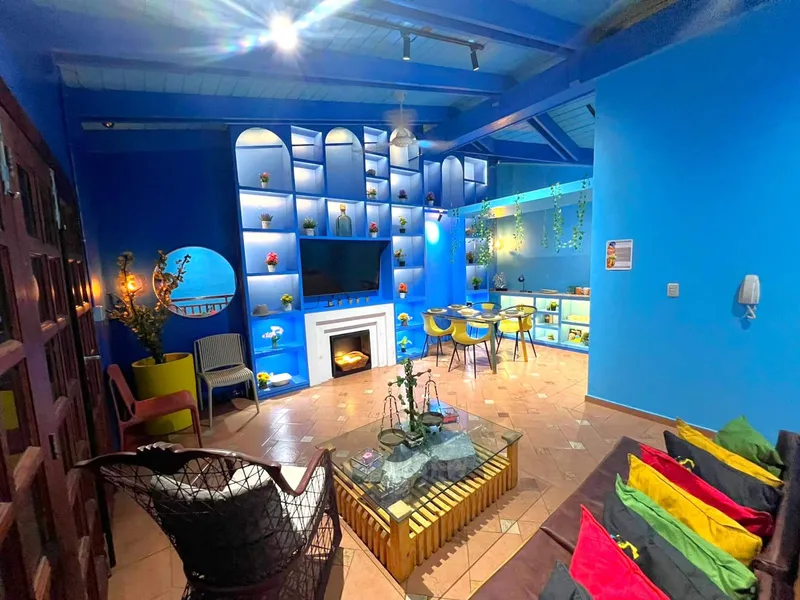
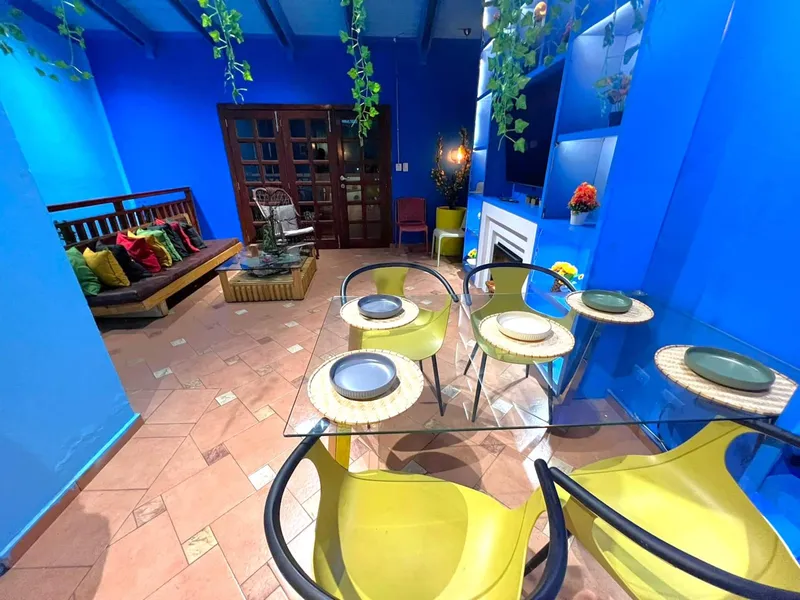
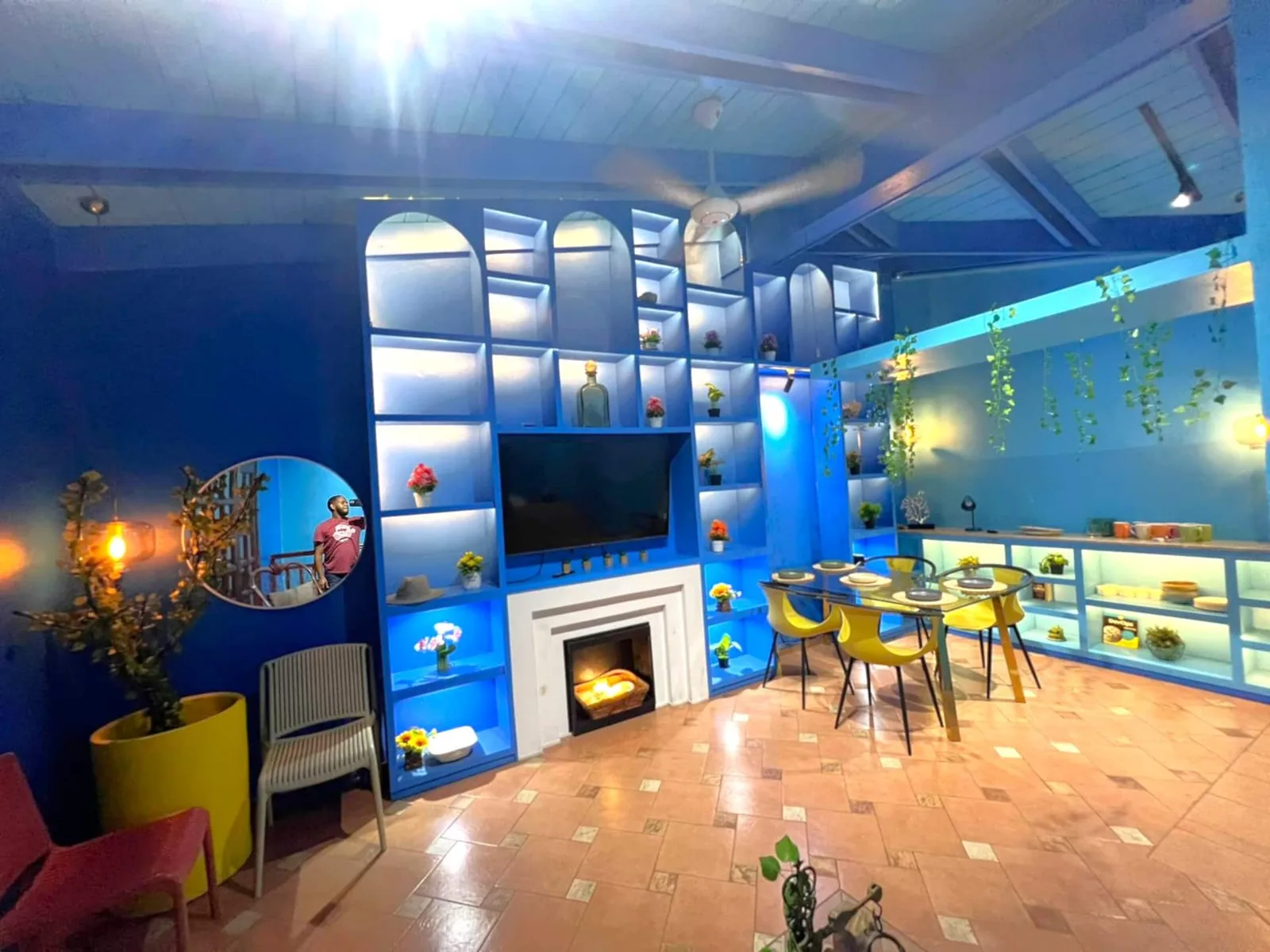
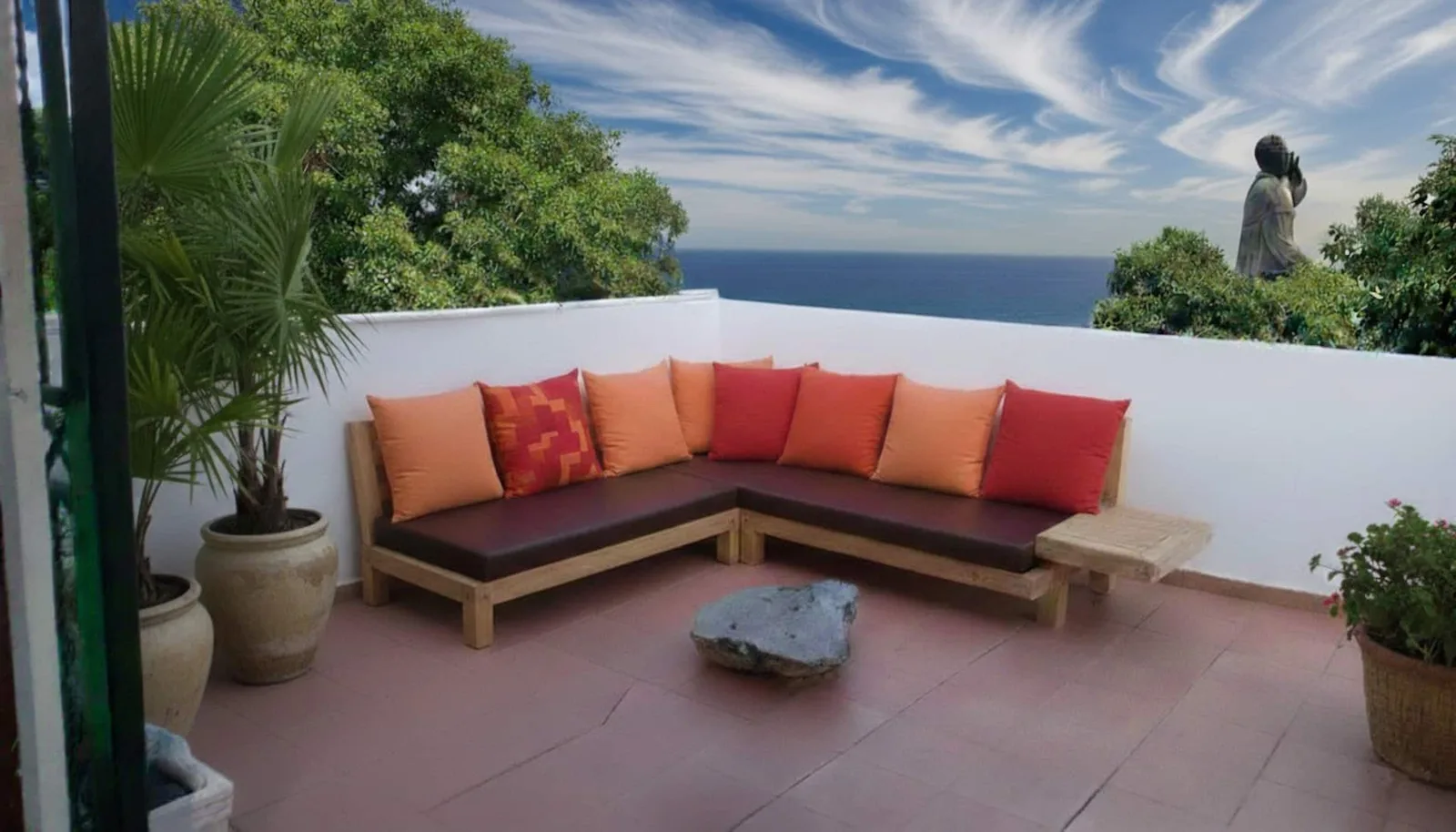
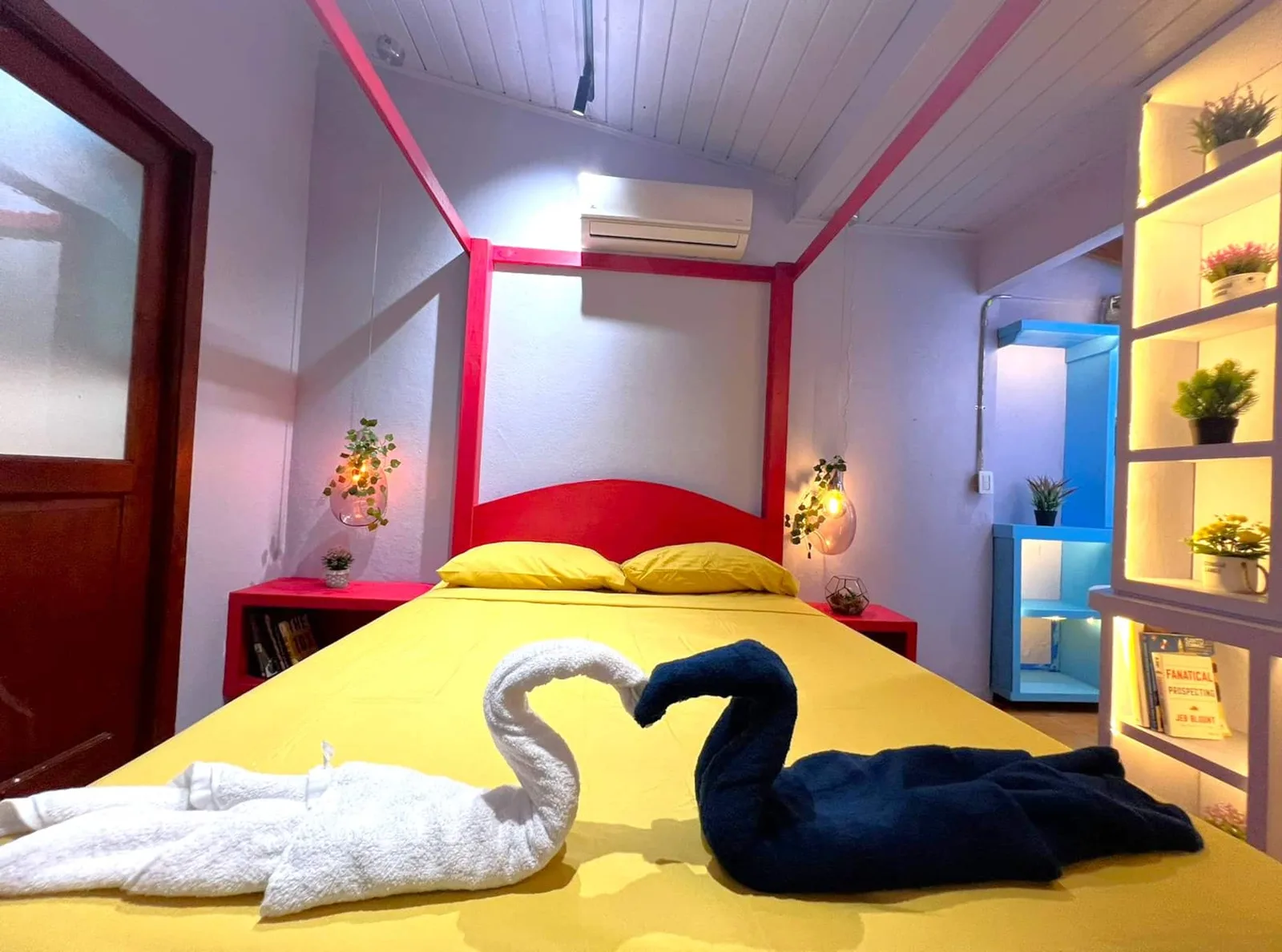
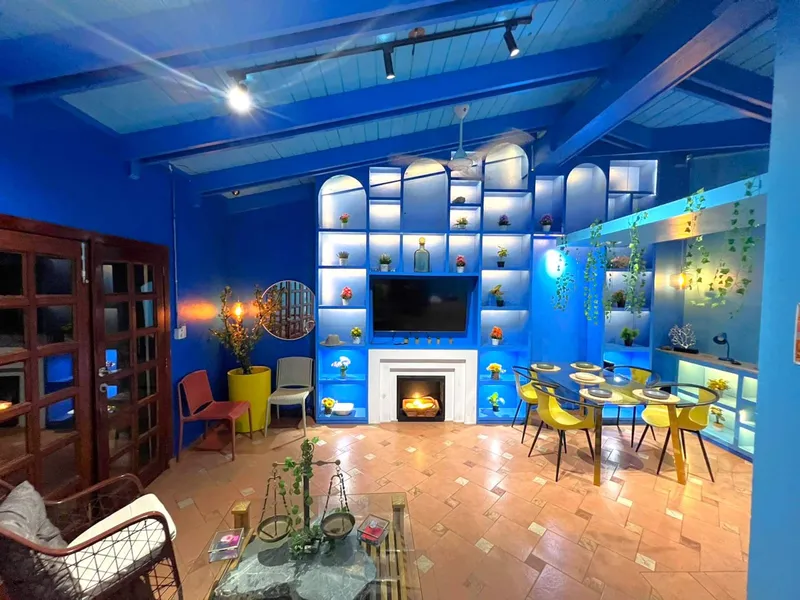
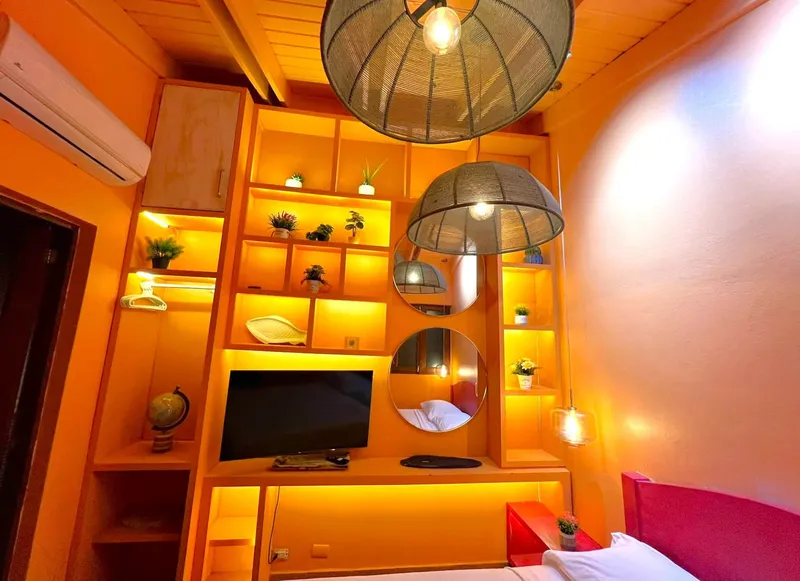
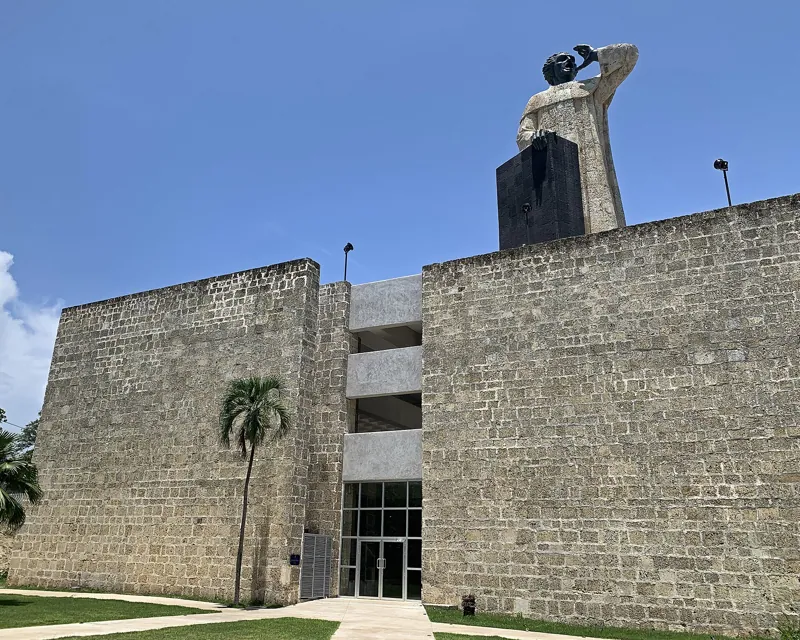
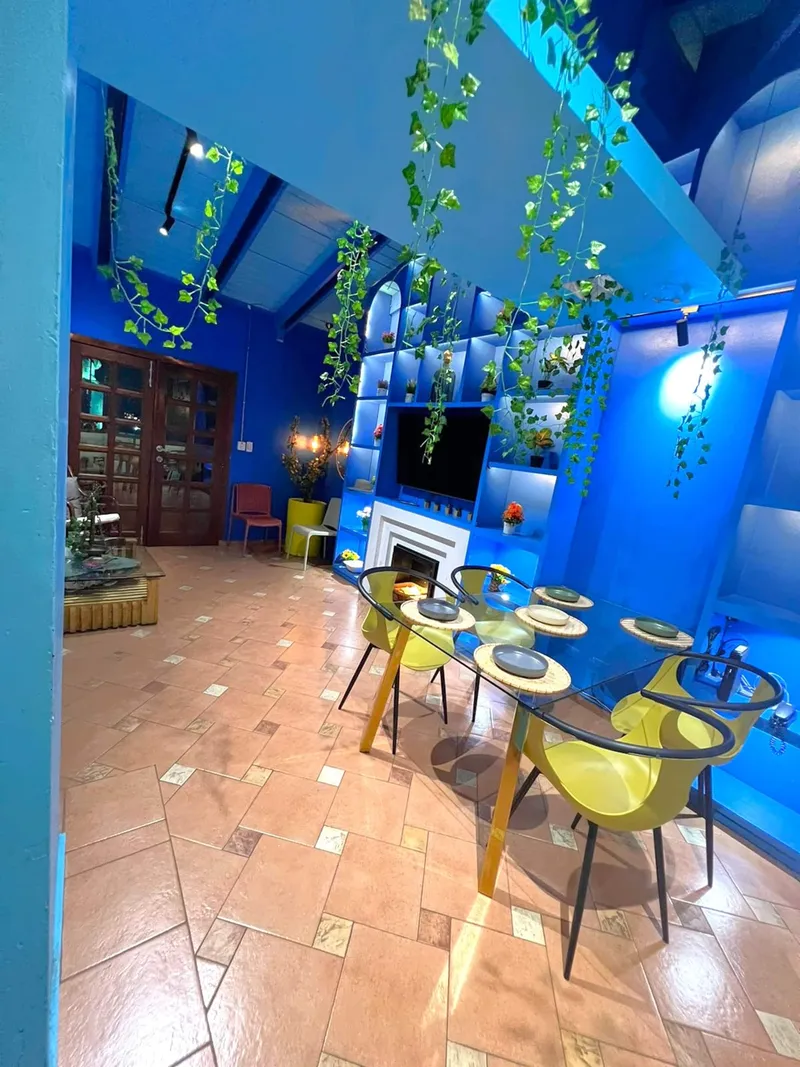
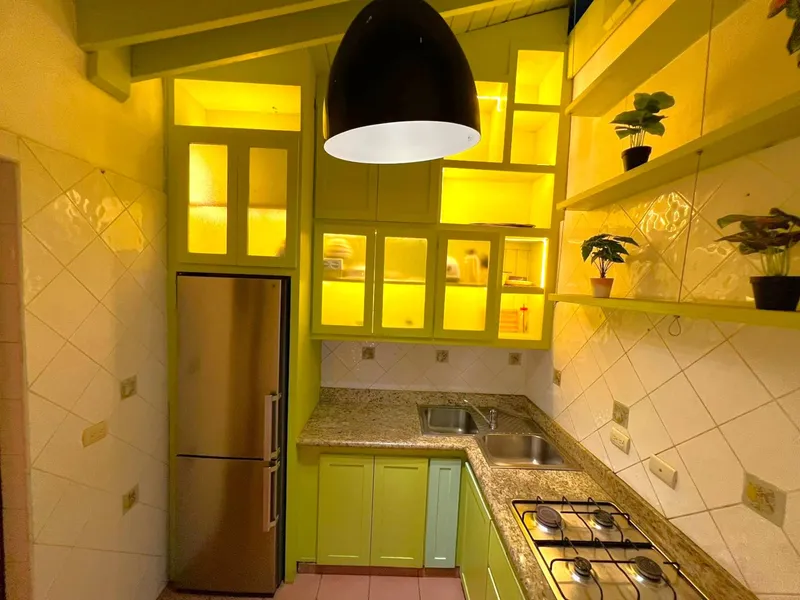
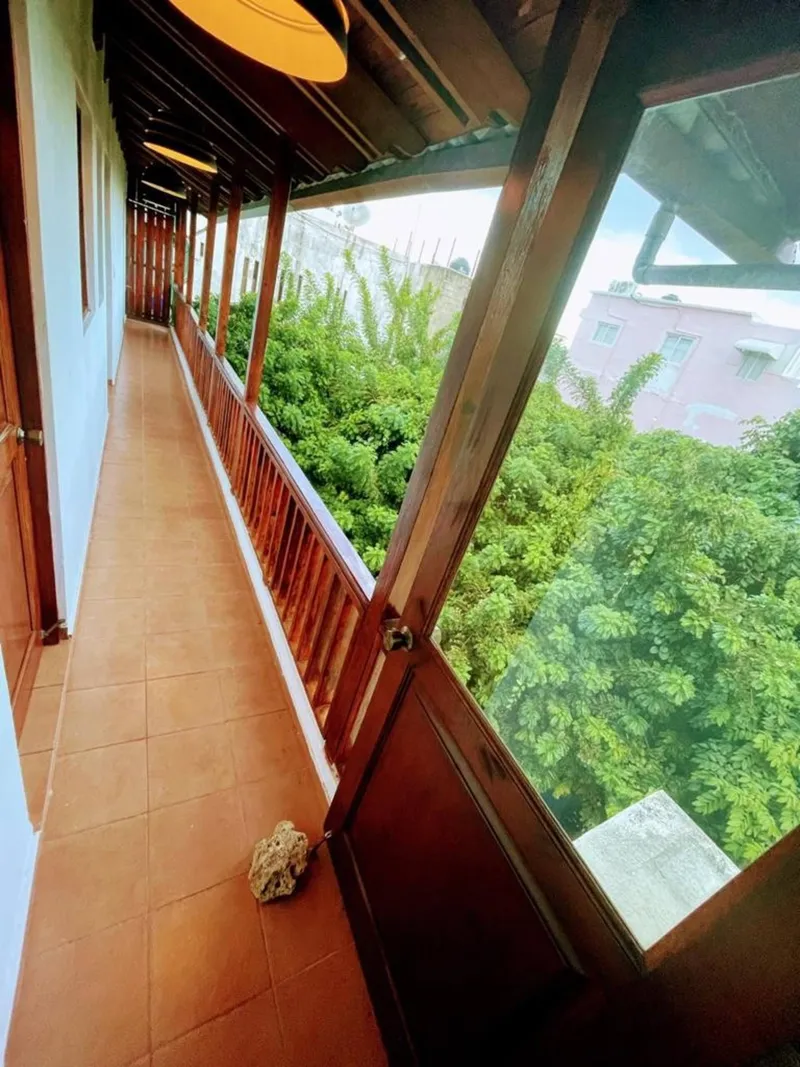
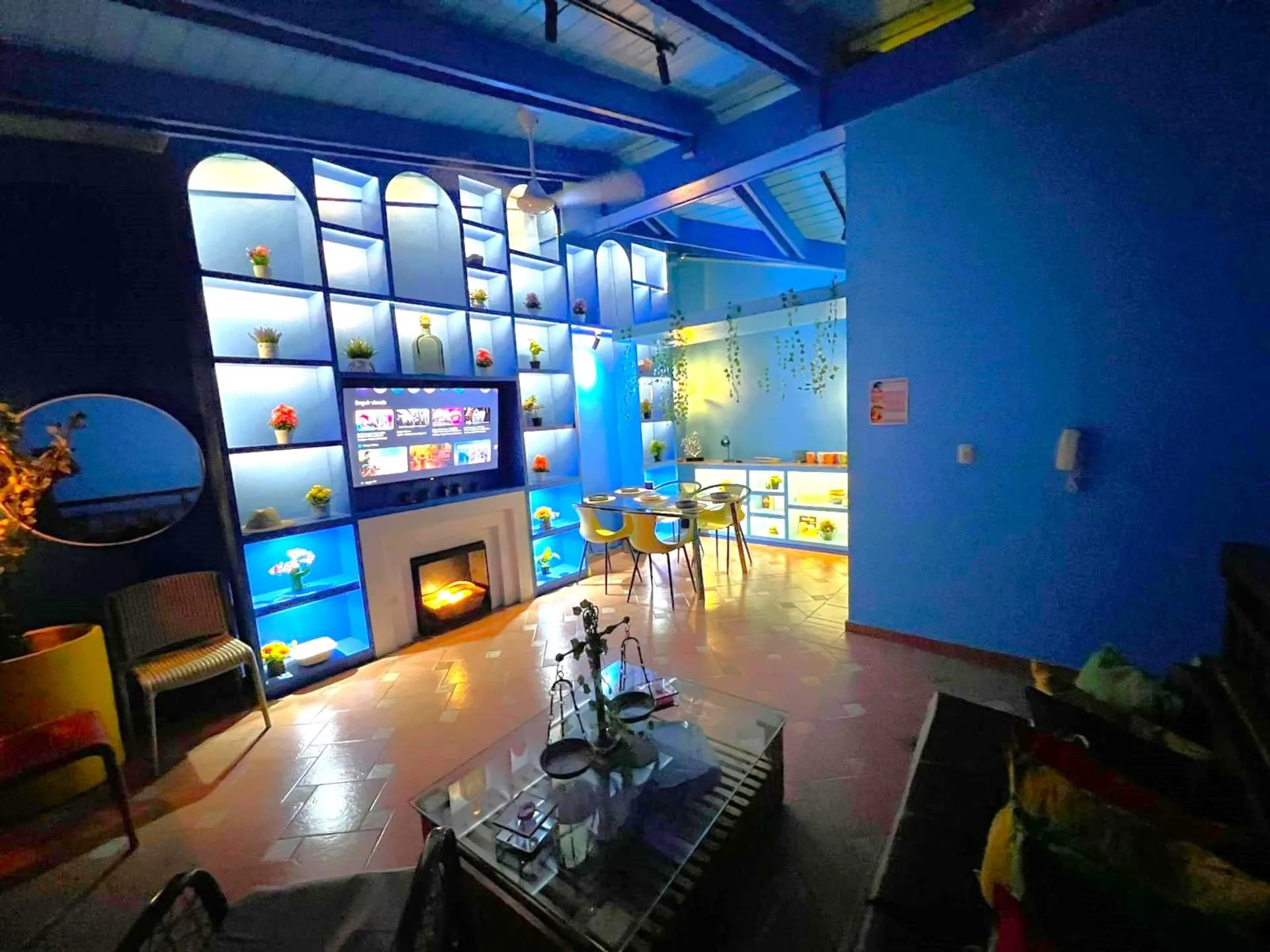
Penthouse Pallazzo allows stays of 28 nights or more, and has three suites with private bathrooms, air conditioning and a TV, Wi-Fi, ethernet and a dedicated workspace, plus a full kitchen and a private deck facing the Montesinos monument and the sea. It is a third-floor walk-up with no elevator, and pets are allowed. Power cuts happen in the Zona Colonial, and backup batteries run the lights and phone charging for up to 8 hours, but not the air conditioning. The house was remodeled in October 2026.
Frequently asked questions
How fast is the internet in Santo Domingo?
Ookla's first-half 2025 report puts the Santo Domingo median at 60.21 Mbps on fixed lines and 131.61 Mbps on mobile, the highest in the country. Stability matters more than speed for calls, so ask for a recent speed test and have a mobile backup.
What time zone is the Dominican Republic in?
Atlantic Standard Time, UTC minus 4, all year. There is no daylight saving change, so the gap to your home city shifts when your clocks change.
Can I stay a month on a tourist entry?
Visitors from the US, UK, Canada and the EU don't need a visa for tourism, and the UK and Canadian governments give the visa-free stay as 30 days. An extension up to 120 days is available for a fee. Confirm the rules for your passport with the immigration directorate.
Are there coworking spaces in the Zona Colonial?
The listings with current addresses are mostly in Naco, Piantini and along Avenida Winston Churchill, a taxi ride away. Confirm hours and day-pass availability directly. Cafés along Calle El Conde and around the plazas cover short sessions.
What do I do when the power goes out?
Charge devices at night, carry a power bank, use a mobile hotspot as backup and consider a small battery for the router. Cuts have been frequent in 2026, so plan deadline days with that in mind.
Is it safe to work from a café with a laptop?
Keep the laptop out of sight when you step away, use ride-hailing at night and avoid walking alone late. Government advice calls for ordinary big-city caution.
Sources
- https://ensegundos.do/2025/11/26/el-nuevo-informe-de-ookla-revela-quien-ofrece-el-internet-mas-rapido-en-republica-dominicana
- https://4stogo.com/blog/posts/working-remotely-in-the-dr
- https://4stogo.com/blog/posts/sim-card-providers-dr
- https://freakingnomads.com/places/santo-domingo
- https://pluria.co/coworking-spaces/dominican-republic/santo-domingo/2100--2workspace
- https://www.expat.com/en/forum/central-america/dominican-republic/983007-remote-work.html
- https://revistamercado.do/actualidad/apagones-en-republica-dominicana-empeoran-con-el-calor-interrupciones-aumentaron-hasta-20-veces-al-mes-en-2026/
- https://time.is/Santo_Domingo
- https://www.godominicanrepublic.com/travel/entry-requirements
- https://www.godominicanrepublic.com/travel/travel-tips
- https://www.godominicanrepublic.com/travel/getting-around
- https://www.godominicanrepublic.com/destinations/santo-domingo/
- https://www.godominicanrepublic.com/destinations/boca-chica/
- https://www.gov.uk/foreign-travel-advice/dominican-republic/entry-requirements
- https://www.gov.uk/foreign-travel-advice/dominican-republic/safety-and-security
- https://www.gov.uk/foreign-travel-advice/dominican-republic/health
- https://travel.gc.ca/destinations/dominican-republic
- https://elnuevodiario.com.do/migracion-dispone-de-nuevo-servicio-en-linea-para-prorroga-de-estadia-para-turistas/
- https://wwwnc.cdc.gov/travel/destinations/traveler/none/dominican-republic