


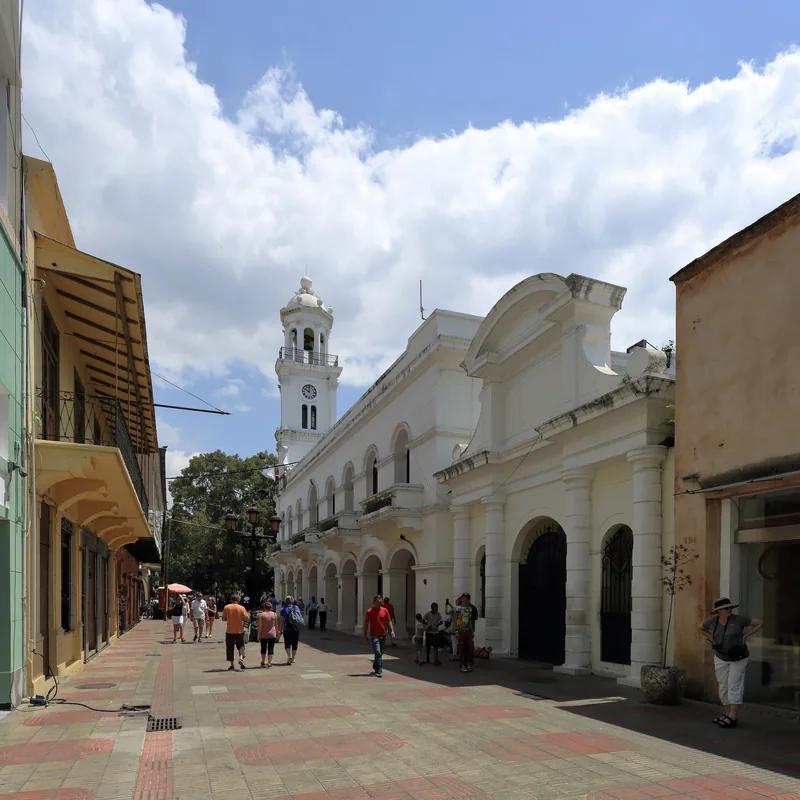
Dominican food is built on a short list of ingredients cooked with patience: rice, beans, plantain, root vegetables, stewed meat, fried fish, coconut, and a lot of sofrito. The Zona Colonial is a good place to learn it, because the old city is a working neighborhood as well as a sightseeing district. Comedores serve office workers at noon, bakeries and cafés open early, and the plazas fill with tables at night.
This guide covers what to order, what the names mean, how the day is structured, where the locals eat, and how the bill works, including the service charge and tax that surprise most first-time visitors. It does not recommend a ranked list of restaurants. Places open, close, and change owners in the old city, so the guide teaches you how to choose instead, and anything with a specific name carries a reminder to check before you go.
Lunch Is the Main Meal
Dominicans eat their heaviest meal at lunch, which is why the lighter fare you see on many evening menus is normal rather than a limited offer. The Dominican tourism board notes it too, and it matches what you see on the street: a line at a comedor around half past twelve, plates stacked high, and a quiet afternoon afterward.
For you, this means two things. First, lunch is the meal to eat the local way. A comedor is a simple room serving a few set dishes, and you choose from what is in the pots that day. Second, dinner is the meal to eat for atmosphere, on a plaza or in a courtyard, with a lighter order.
Breakfast and Mangú
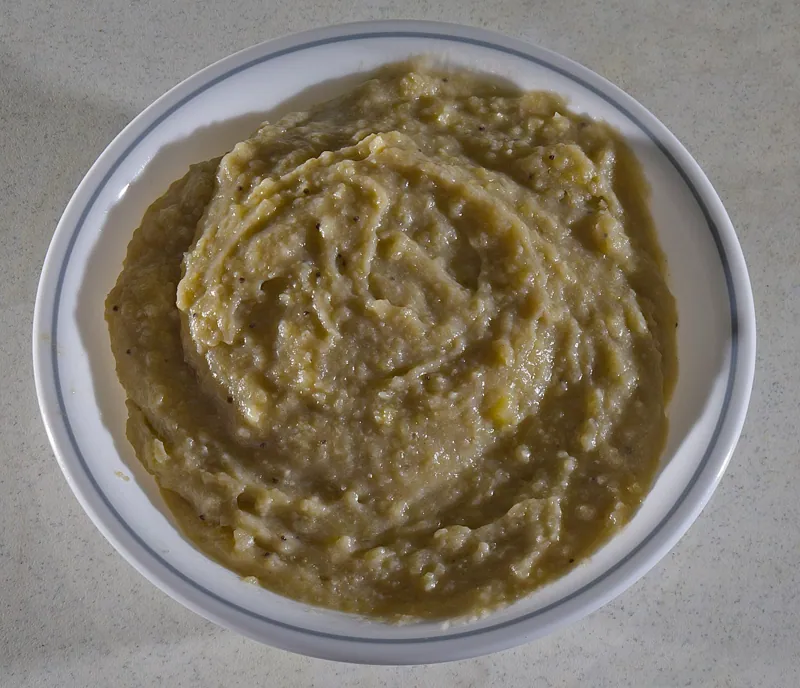
Mangú is mashed boiled green plantain, topped with red onion that has been cooked in oil and vinegar. Many cooks add butter and oil to the mash. On its own it is a comforting, mild, slightly sticky plate, and the vinegary onion on top is what wakes it up.
The classic breakfast version is called Los Tres Golpes, "the three hits." Along with the mangú you get fried white cheese, eggs, and fried Dominican salami, and sometimes avocado on the side. Hotel and tourism guides describe the same trio. If you order one thing at a Dominican breakfast table, this is the plate that tells you the most about the national palate: starchy, salty, a little sharp, and filling enough to carry you to lunch.
Bakeries and cafés also sell the usual morning breads and pastries, and fresh juice. If you are sleeping with a kitchen of your own, mangú is also a good dish to try cooking, since green plantains are inexpensive and the only skill involved is boiling them until they are soft.
La Bandera, the Dominican Flag on a Plate
La bandera dominicana means "the Dominican flag," and it is the national lunch. The plate is white rice, stewed red beans, and stewed meat, usually chicken or beef. The name comes from the colors of the flag, with the red of the beans, the white of the rice, and the meat as the third element. Avocado, tostones, or salad are common add-ons, and a Diario Libre health column lists vegetables as part of the plate while advising that fried extras like tostones are best eaten in moderation.
The sides change from one comedor to the next. You might get a salad of shredded cabbage and tomato, fried sweet plantain, or avocado in season. The stewed beans are cooked with garlic, onion, oregano, tomato, and squash until creamy, and that creamy texture is what you pour over the rice.
Rice shows up in other forms too. Locrio is rice cooked with meat and vegetables and colored with tomato sauce or annatto, and moro is rice and beans cooked together. If you see a handwritten board with a few of these listed in Spanish, you are in the right kind of place.
Sancocho and the Soups
Sancocho is the dish Dominicans cook for a celebration. It is a thick, brothy stew served on festive occasions such as New Year's Eve, usually with white rice and avocado. The classic version holds root vegetables such as yam, squash, yautía, and cassava, along with green plantain and corn. There are variations: white sancocho is made with chicken only, prieto uses several meats and plantains, and the grand version is the sancocho of seven meats. The seven-meat sancocho is treated as the most special.
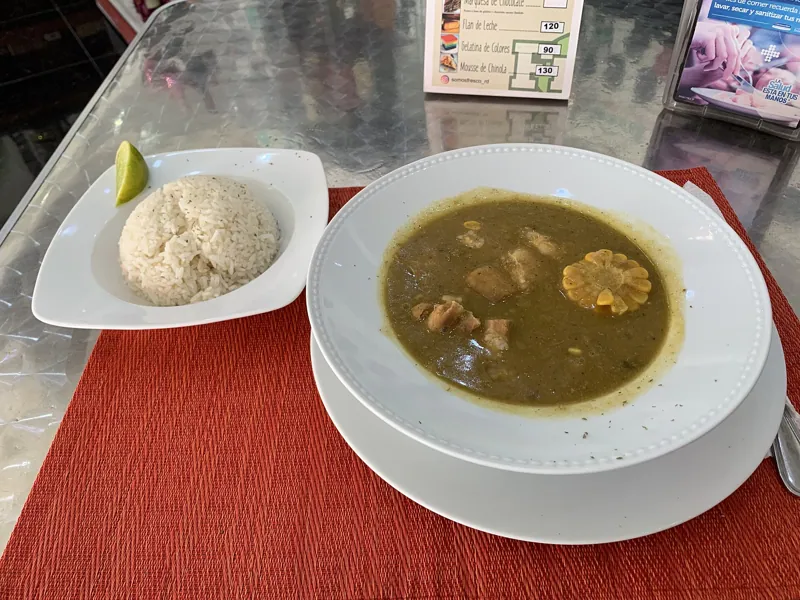
A bowl of sancocho is a meal on its own, so order it when you are hungry. It is heavy for a hot afternoon and better suited to a cooler evening or a day when you have been walking in the sun and want something restorative. Ask whether the sancocho is on the menu that day. Many restaurants make it only on certain days because it takes hours.
Fried Things, Fish, and Street Snacks
Dominican cooking has a strong fried side, and most of it is built on plantain.
- Tostones are thick slices of green plantain, fried, flattened, and fried again. People eat them at any meal or as a snack, often with a dipping sauce.
- Mofongo is fried plantain mashed with garlic and chicharrón, the fried pork rind, and shaped into a ball. Restaurants serve it with shrimp, avocado, or a small cup of broth.
- Pescado frito is whole fried fish, usually mero or chillo, which is red snapper, commonly served with tostones.
- Yaniqueques are crisp, round fried flour snacks sold on the street, salted or sweet, sometimes filled with cheese, egg, ham, vegetables, or chicken.
A plate of fried fish with tostones, a squeeze of lime, and a cold drink is one of the better ways to spend an hour near the water. The Malecón is one of the main dining areas of the city, and our own guide to the Malecón covers what to do along the sea front.
Sweets and Habichuelas con Dulce
Habichuelas con dulce means "sweet beans," and it is a dessert that surprises people who expect beans to stay on the savory side of the menu. It is mashed red beans mixed with evaporated and condensed milk, coconut milk, sweet potato, cinnamon, clove, anise, nutmeg, and raisins. It is traditionally eaten during Lent and Holy Week, and it is often served with small sweet crackers or cookies.
An April 2026 Acento article ties the dessert to the Lenten custom of giving up red meat, which made grain and bean dishes the norm and, over time, more elaborate. It also records how much people argue about it: with beans or without, thick or thin, cold or warm. Regional versions exist. The south has chacá, a sweet made from corn. The east makes a white version with broad beans. The north leans toward arroz con leche in that season. During Holy Week, fish and seafood take the place of red meat, including fried fish, salt cod, and shrimp.
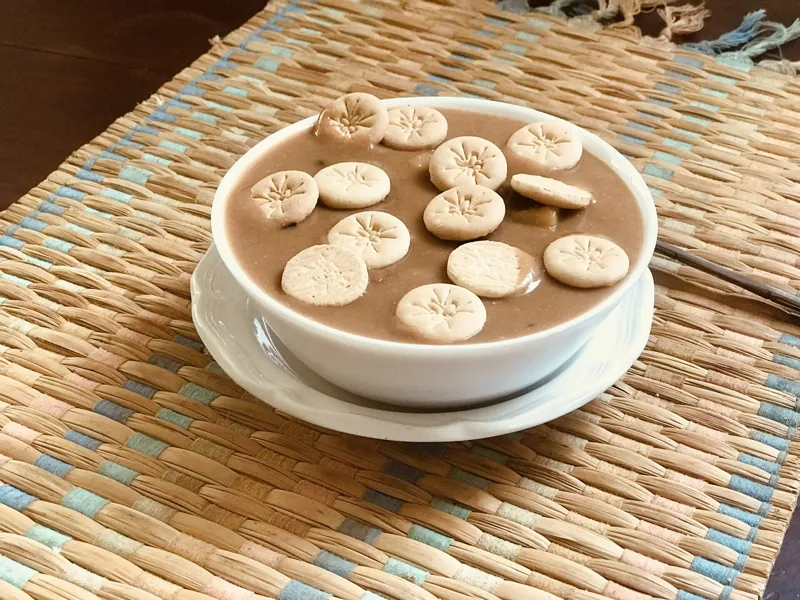
Where the dessert came from is a matter of dispute. Diario Libre reports on the research of the historian José Guerrero, who traces the dish to a French farmer, François Delalande, who grew vegetables in the French colony on the western side of the island and later received land in Spanish Santo Domingo. In 1798 a French officer wrote down a meal at Delalande's table that included beans, dairy, and sugar, on the eve of Holy Week. Other accounts differ, and the origin is not settled. What is not in dispute is the timing. If you are in the city in the weeks before Easter, ask for it by name.
Coffee and Cafés
Coffee is part of the daily rhythm. Many Dominicans take several small, espresso-like cups through the day. The word café needs care: in the Dominican Republic it can mean a bar, an eatery, or a lottery kiosk, so if you want a proper cup of coffee with pastry, look for a place that is clearly a coffee shop. European and American-style cafés are a recent addition, and several are in the Zona Colonial.
Two names come up in recent sources. A tourism board coffee guide from January 2021 mentions Zona Bici, which serves specialty coffee made by professional baristas, and Affogato Café, which serves affogato, ice cream poured over espresso. A Diario Libre list from April 2022 places Affogato Café on Arzobispo Nouel street, and calls it a pastry shop as well, serving desserts, ice cream, and brunch. Both pieces are a few years old, so check hours and whether a place is still open before you walk across town for it. Casa Barista, which roasts its own beans, appears in the same sources, but its location is in Piantini, outside the old city.
A practical habit: have the first coffee of the day where it is cheapest and quickest, at a bakery counter or from a coffee window, and save a café for the afternoon, when you want to sit.
Juices and Mamajuana
Fresh juice is everywhere, and the flavors are worth learning. Jugo de chinola is a sweet, refreshing juice from passion fruit. Morir soñando means "to die dreaming," a creamy mix of orange juice, cane sugar, crushed ice, and milk, with variants that use passion fruit or lemon. It is closer to a milkshake than a juice, and a good thing to order on a hot afternoon.
Mamajuana is the drink people mention when you ask what is typically Dominican. It is made by steeping rum and molasses with local barks, roots, and spices. It was originally used for medicinal and stimulant purposes, and it tastes semi-sweet and woody. As a drink it is an acquired taste, so try a small glass in a bar before you buy a bottle to carry home.
Presidente and Rum
Presidente is the national beer. One account of its history says the American businessman Charles Wanzer proposed the idea of a Dominican beer in 1929, and the brewery was founded in Santiago in 1935. The first version was dark and did not sell well, and the light pilsner that people know today came in the 1960s. The same account says Wanzer named the beer to honor Rafael Trujillo, the ruler of the time, and that the name stayed after Trujillo's assassination in 1961. Other sources give different founding stories, so treat the early history as one account among several.
Rum has a longer story. A profile of Ron Barceló says it was founded in 1930 by Julian Barceló in Santo Domingo, and calls it one of the country's top three rums alongside Brugal and Bermúdez, known together as the three B's. If you like rum, ask the bartender what the house pours and taste it neat before you decide what to mix it with. Tour operators run rum-factory visits from Santo Domingo, and a guide to Boca Chica and Juan Dolio covers the coast to the east.
Where Locals Eat
The old city offers four kinds of places, and each has its own logic.
Comedores. These are the lunchtime rooms with plastic or wooden tables, a counter with pots, and a short list of the day's dishes. They are the best value for la bandera, and the way to choose one is to look for the busiest room at midday. Local office workers have already done the research for you.
Colmados. A colmado is the neighborhood corner store, and in the Zona Colonial you will pass several. Acento describes it as the community's operations center: groceries, drinks, cooking staples, and household items, sold at retail and on credit, with delivery to the door within minutes. It is also a social hub, with older residents meeting in the mornings and young people gathering at night. Larger versions, called colmadones, often play loud bachata. It is a good place to buy cold water, a bottle of rum, and ice, and it is a better place than a shop on a tourist street to see how people talk to each other.
Courtyard restaurants and plaza tables. These are the places for the evening meal, with higher prices and a setting that does part of the work. When you choose one, read the menu, not the view. Look for dishes you now recognize, such as sancocho, pescado frito, and mofongo. For nights out and live music, see the Zona Colonial at night.
Bakeries and coffee windows. These handle breakfast and the afternoon snack and are the quickest way to a pastry and a coffee.
A few signals help in any of them. Skip menus that advertise in four languages with photographs of every dish. Be careful with anyone who pulls you in from the sidewalk. Look for a menu with the Dominican dishes in this guide, and look at what the next table is eating. If the neighbors are happy, you can usually trust the pot.
Prices, the Service Charge, and ITBIS
Prices in the old city vary widely: a lunch plate at a comedor costs a fraction of a plaza-side dinner. As a rough guide the tourism board puts RD$100 at about US$2, and the rate changes daily, so check it on the day. Because it is much cheaper to eat the local lunch, a trip that mixes comedor lunches with a few nicer dinners costs far less than one that eats every meal on a tourist plaza.
The bill is where visitors get surprised. Restaurant bills in the Dominican Republic carry two additions. The tourism board's travel tips page states that restaurant bills already include a 10% service charge and an 18% sales tax, called ITBIS, and that leaving an extra 10% is customary. The 10% charge has a legal basis. Article 228 of the Labor Code requires businesses that serve food and drink for consumption on the premises to add a 10% tip to the bill, and El Dinero's reading of the article says the money must be distributed in full among the workers who gave the service. Diario Libre reports that the 10% comes on top of the 18% tax, which brings the total addition to around 28% of what you ordered.
Two practical points follow. First, expect the total to run about a quarter above the sum of the dishes. Second, the charge applies to eating in. In September 2021 Pro Consumidor welcomed a decision of the Supreme Court's Third Chamber eliminating the 10% when food is not consumed on the premises, and its director said Article 228 already bars the charge on takeout. In practice, some places still add it, so look at the bill and ask politely if a takeout order includes it.
Tipping
Because the 10% is already on the bill, you do not owe a second tip. Many people leave a little extra for good service, and the tourism board calls an extra 10% customary, so treat it as an optional thank-you rather than a rule. Reporting by El Dinero notes that in 2011 the Labor Minister acknowledged tips often did not reach the waiters and other employees, so cash handed directly to the person who served you is the surest way.
Taxi drivers do not expect a tip, though you can reward special help. For a coffee at a counter or a pastry, rounding up is plenty.
How the Penthouse Fits
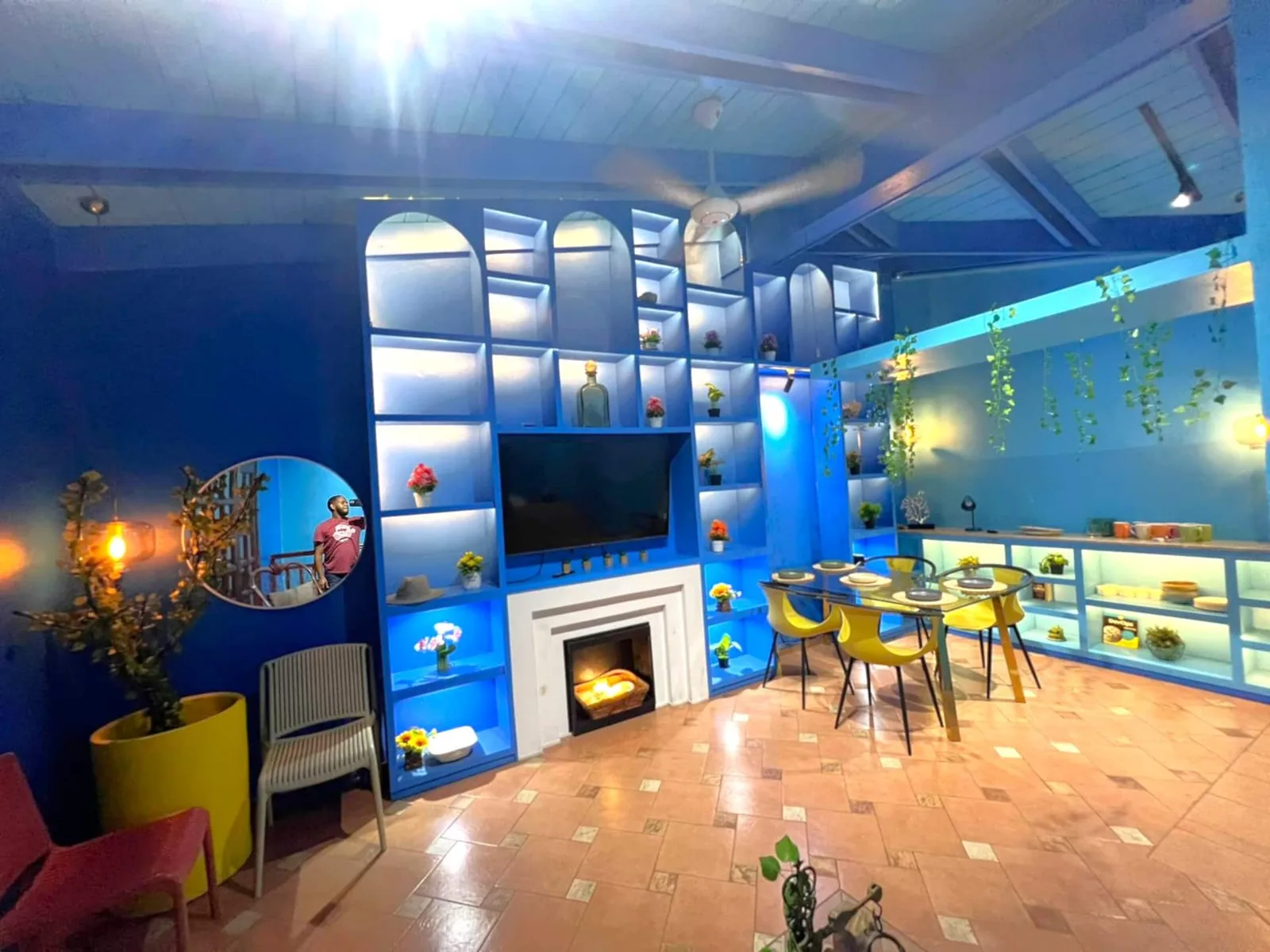
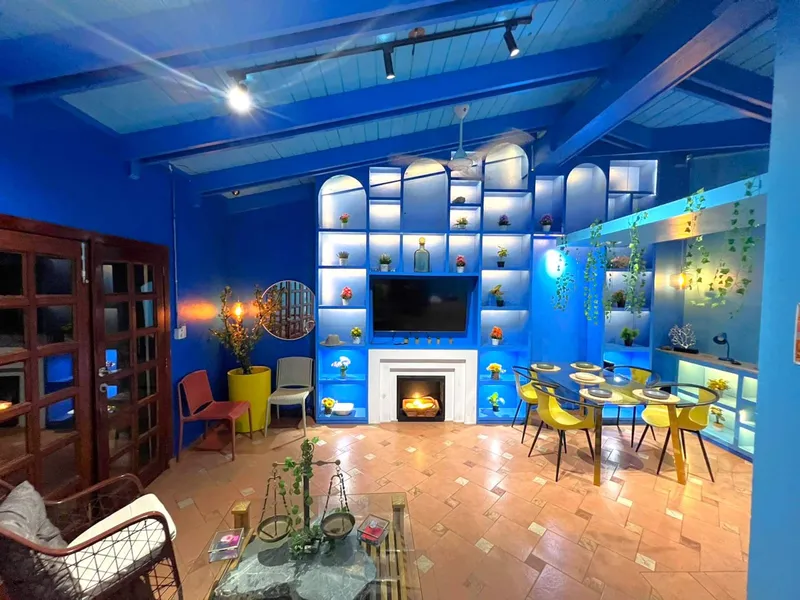
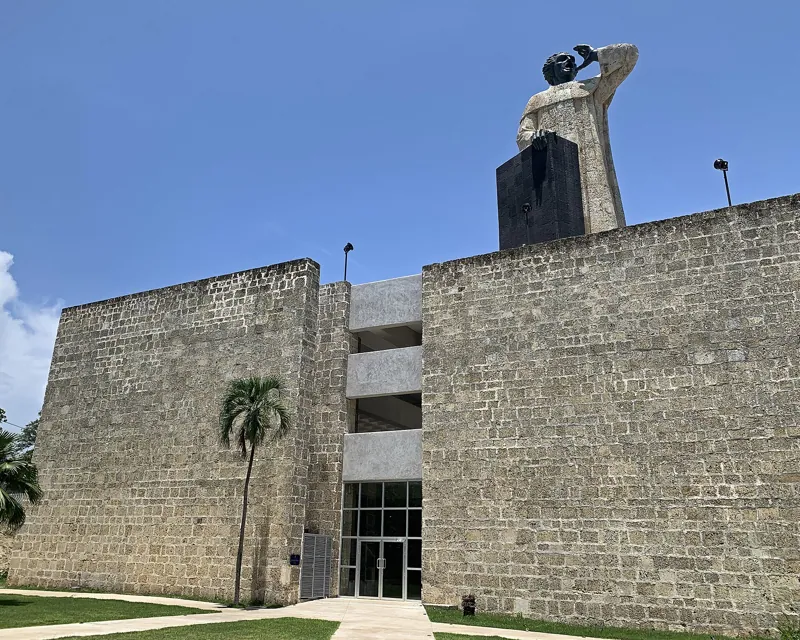
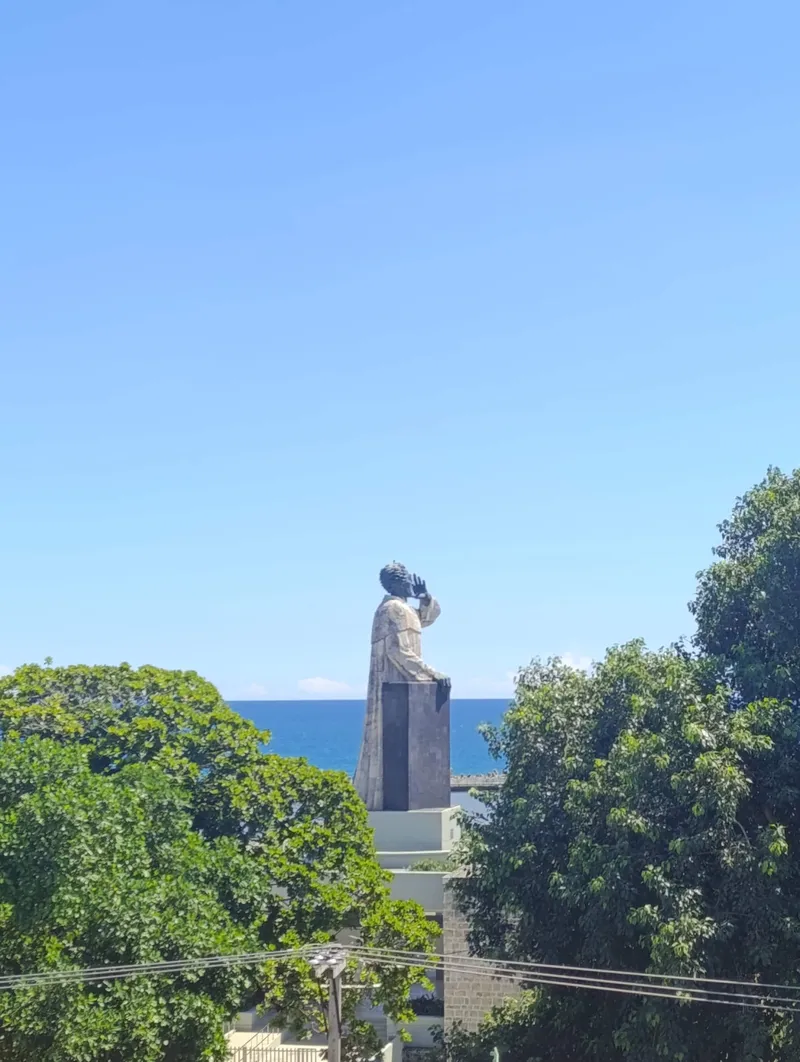
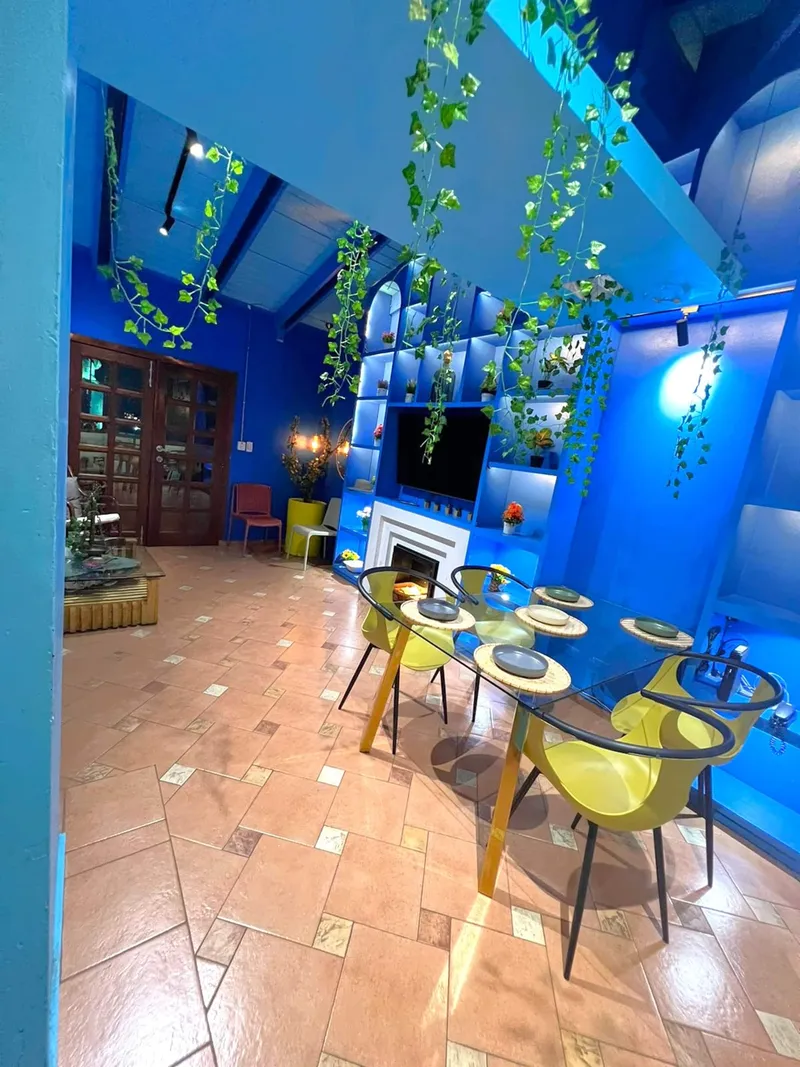
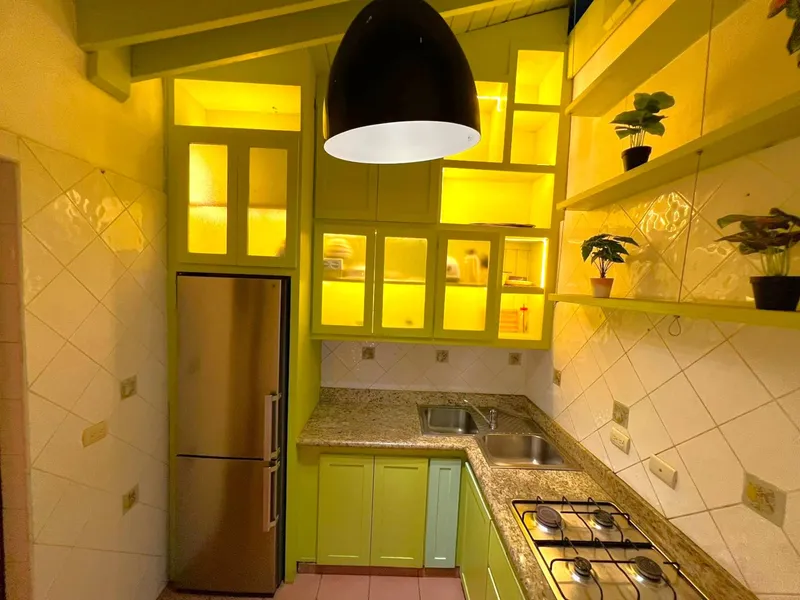
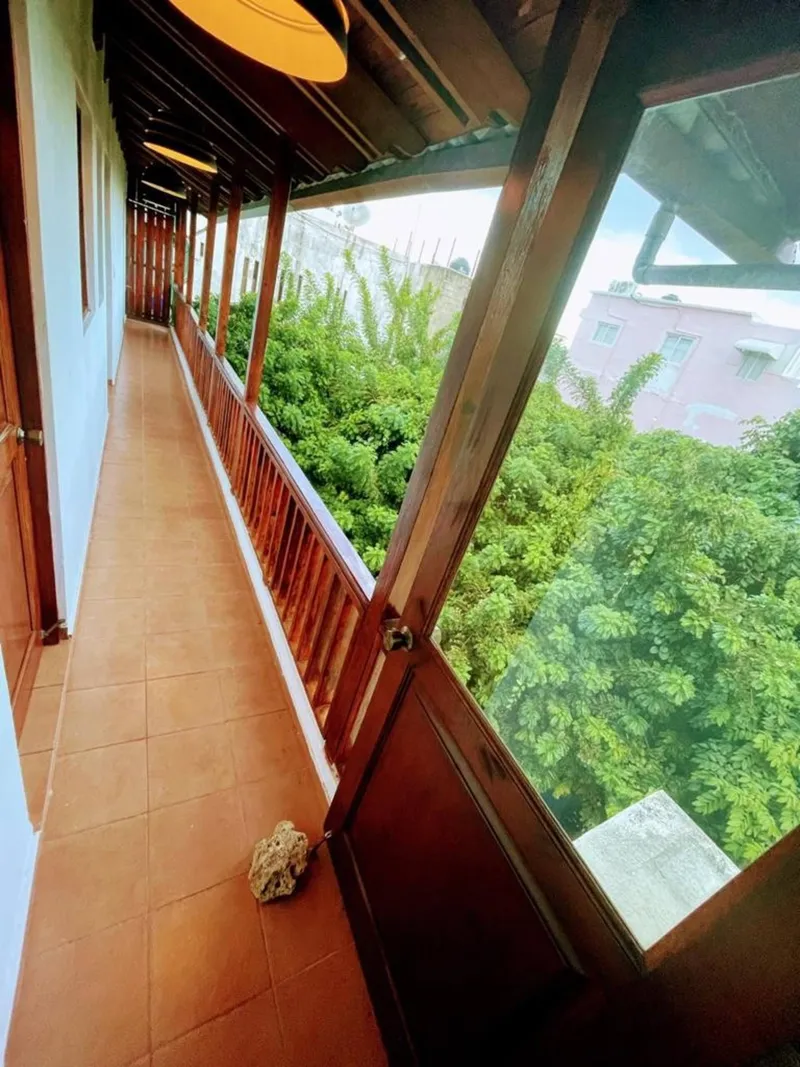
The house has a full kitchen, so you can buy fruit, plantain, rice, and beans and cook mangú or a pot of stewed beans yourself. It also has a private deck facing the Montesinos monument and the sea, which makes a good place for a late breakfast. The house is a third-floor walk-up with no elevator, so plan grocery trips with that in mind.
Frequently asked questions
Is tap water safe to drink in Santo Domingo?
No. The Dominican tourism board's travel tips say tap water is not safe to drink and advises buying bottled water.
What is la bandera?
It is the national lunch of white rice, stewed red beans, and stewed meat, often with salad, avocado, or fried plantain. The name means "the flag" and refers to the national colors.
Do I have to tip on top of the 10% charge?
No. The charge is added by law to meals eaten on the premises, and the tourism board describes an additional 10% as customary rather than required. A small amount in cash for good service is welcome.
What do people eat during Holy Week?
Fish, seafood, and salt cod take the place of red meat, and habichuelas con dulce, the sweet bean dessert, is the signature dish. Regional versions include chacá in the south and white sweet beans in the east.
When is the best meal to eat out?
Lunch. It is the heaviest meal of the day for Dominicans, which makes it both the most local and, usually, the most affordable.
Sources
- https://www.barcelo.com/guia-turismo/es/republica-dominicana/republica-dominicana/que-ver/comida-dominicana/
- https://www.palladiumhotelgroup.com/es/guia-turistica/republica-dominicana/santo-domingo/comida
- https://www.godominicanrepublic.com/travel/travel-tips
- https://visitdominicanrepublic.com/food-drink/where-to-find-great-coffee
- https://www.diariolibre.com/revista/cultura/ocho-cafes-que-debes-visitar-en-santo-domingo-MB22100840
- https://acento.com.do/escarbando/habichuelas-con-dulce-chaca-y-pescado-la-identidad-dominicana-que-se-sirve-en-semana-santa-9653123.html
- https://www.diariolibre.com/estilos/buena-vida/entre-lo-dulce-y-lo-amargo-el-origen-de-las-habichuelas-con-dulce-PE17753941
- https://www.diariolibre.com/revista/bienestar/lo-saludable-de-la-bandera-dominicana-DL10931507
- https://www.diariolibre.com/economia/en-un-ano-dominicanos-pagamos-15-mil-millones-de-pesos-en-propinas-EI13934303
- https://eldinero.com.do/40645/el-articulo-228-del-codigo-de-trabajo/
- https://eldia.com.do/pro-consumidor-saluda-decision-scj-eliminar-10-de-propina-cuando-no-se-consume-en-negocios/
- https://acento.com.do/opinion/el-colmado-tan-necesario-como-sociocultural-8146979.html
- https://www.uncommoncaribbean.com/?p=21341
- https://www.uncommoncaribbean.com/?p=18239