Visitors to the Dominican Republic usually land in one of two places. Punta Cana, on the island's eastern tip, is a resort coast built around beaches, all-inclusive hotels and golf. Santo Domingo, on the south coast, is the capital, a large working city whose old core is a UNESCO World Heritage Site. They are about two and a half hours apart by road, and they give you two very different trips.
This article compares them on the things that decide a holiday: what you'll see, how you'll spend the days, how the trip is paid for, how to get around, when to go and which one suits which kind of traveler. It ends with a pattern that works for people who want both.
What each place is
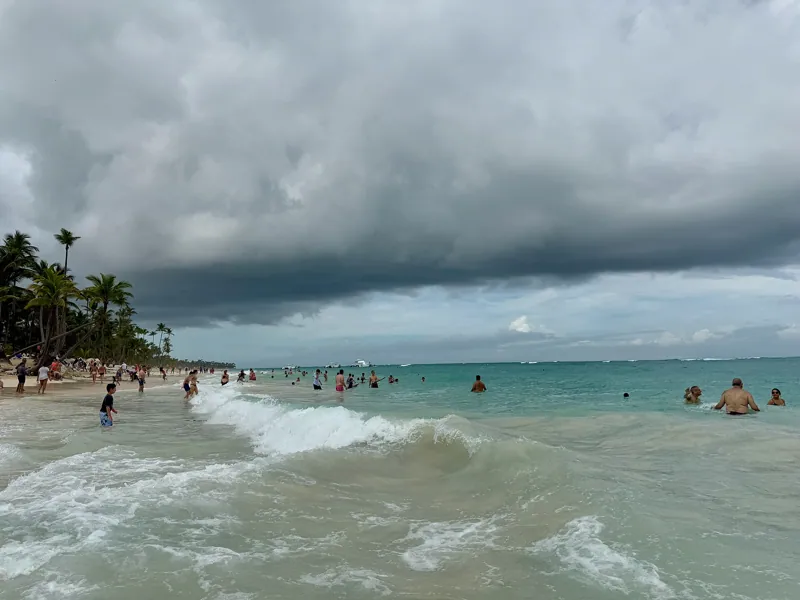
The Dominican tourism board describes Punta Cana as the country's most renowned tourist destination, with more than 50 kilometers of white-sand beaches and turquoise water. Bávaro is the main resort strip. Macao has a more natural setting and surf, Juanillo has calm water and Cabeza de Toro is described as family-friendly. The board's emphasis is on all-inclusive luxury resorts and golf courses, and it recommends a stay of four to seven days.
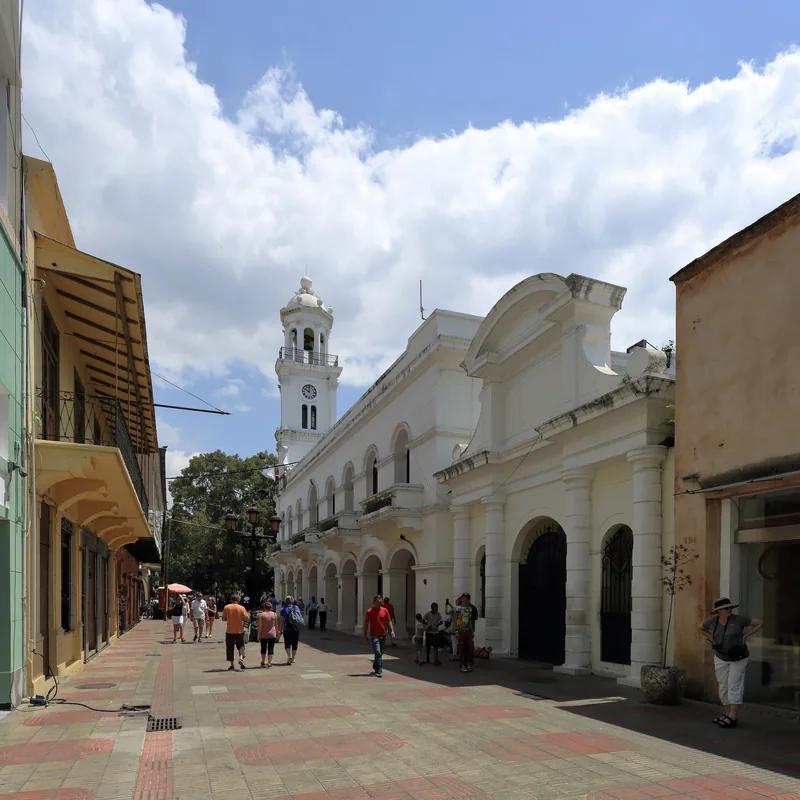
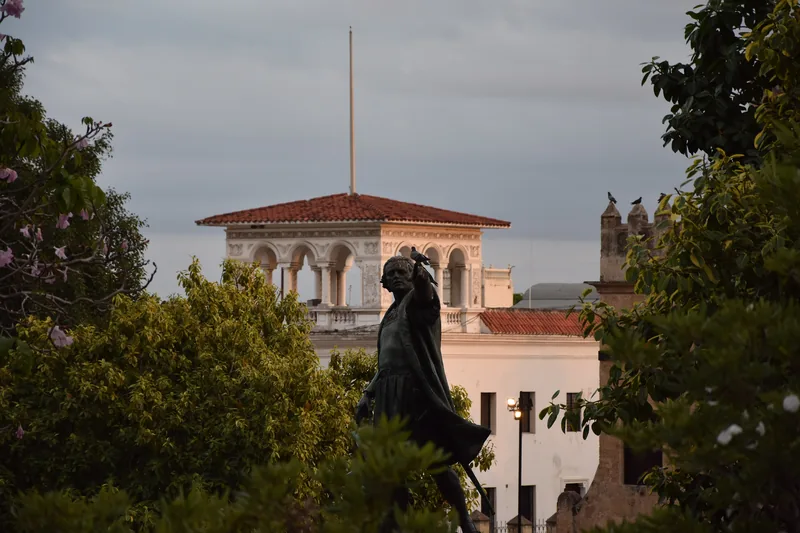
Santo Domingo, by the same source, offers "history you can walk, a city you can enjoy." The Zona Colonial is a UNESCO World Heritage Site with cobblestone streets, museums, shops and restaurants. The board's highlights include Calle Las Damas, Fortaleza Ozama, the Alcázar de Colón, Plaza de España, the Primada de América cathedral and the ruins of the San Francisco monastery, with Calle El Conde, Parque Colón and Puerta del Conde as the gathering points. Outside the old city it lists Los Tres Ojos National Park, the Columbus Lighthouse, the Malecón, the National Botanical Garden and several malls. It recommends two to three days.
The shorter recommended stay for the capital is worth noticing. It reflects how the old city is laid out: compact and walkable, so a first visit is done in a few days. The longer stay for Punta Cana reflects a different logic, in which the destination is the rest, and the time you spend there is the point.
The beaches
Punta Cana wins here without much contest. The beaches are long, wide and lined with resorts that maintain them. The Dominican tourism board lists the water as turquoise and gives the climate as warm year-round, about 25 to 32 degrees Celsius, with the driest season from December to April. If your trip is defined by walking into the sea from your hotel, this is where to do it. The Punta Cana beaches guide covers the individual beaches.
Santo Domingo has beaches too, but they work differently. The city has an urban beach at Playa Montesinos, and the sea front promenade, the Malecón, runs along the coast. For a proper beach day, people go east. The tourism board describes Boca Chica as a lively, urban beach about 30 minutes from the city with shallow waters suited to families, snorkeling near the reef and weekend music. The Boca Chica and Juan Dolio guide covers both beach towns.
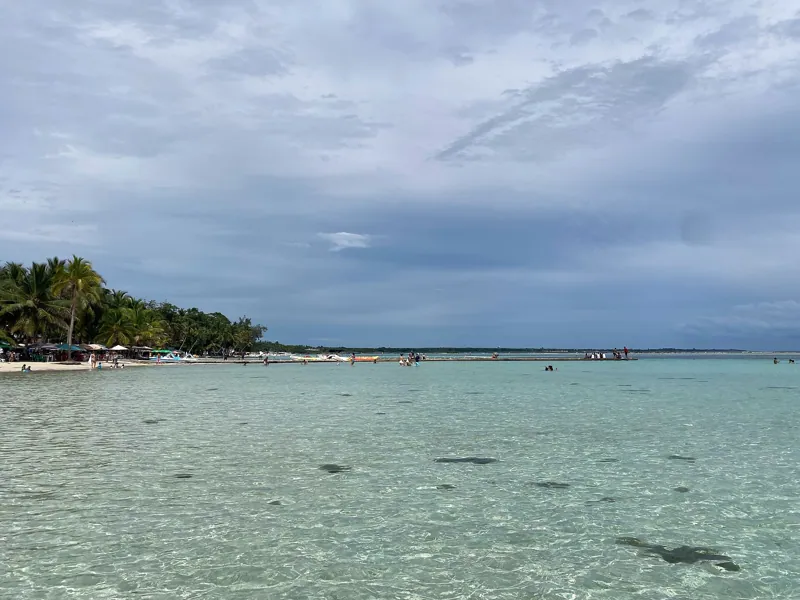
So the question is how important a resort beach is. If you want a different beach every day, Punta Cana has them. If you want a swim, a seafood lunch and a ride home, Boca Chica does that from Santo Domingo.
History, food and city life
Here the order reverses. The Zona Colonial is the reason many people choose Santo Domingo: a UNESCO-listed district of colonial streets, with a cathedral, a fortress, a viceregal palace, a monastery in ruins and museums. Our history series tells those stories building by building, and the complete guide to the Zona Colonial shows how to see them in a few days.
Punta Cana has little of this inside the resort strip. What it has are organized excursions. The tourism board lists catamaran trips to Saona Island, snorkeling and diving at Isla Catalina, the Hoyo Azul cenote at Scape Park, the mangroves and caves of Los Haitises National Park, buggy and safari tours, ziplines and the cultural village of Altos de Chavón, plus nightlife such as the Coco Bongo show. These are good days out, and most are sold as tours picked up at the hotel. You can also reach several of them from Santo Domingo; see the guides for Saona, Altos de Chavón and Los Haitises.
Food follows the same split. In a resort, meals are typically part of the rate, which makes the trip easy to budget and easy to enjoy. In the old city you eat in restaurants, cafés and comedores and pay as you go, which gives variety and local choice at the cost of a little planning. Restaurant bills in the country usually include a 10 percent service charge and 18 percent ITBIS sales tax, according to the tourism board, which applies in both places. Read the guide to eating and drinking in the Colonial City for what to order.
Nightlife differs too. Santo Domingo's evenings are about walking, plazas, live music and late dinners, and the tourism board also lists the Eduardo Brito National Theater among the capital's attractions. The old city at night describes the options. In Punta Cana, the board points to resort nightlife and the Coco Bongo show.
How the trips are paid for
Without quoting prices, the difference in structure is worth knowing. An all-inclusive resort bundles room, meals, drinks and some activities into a single rate. The price you see is close to the price you pay, and you spend little else on site beyond excursions and tips. In Santo Domingo, you pay for lodging and then for each meal, each museum, each taxi and each outing. That gives you control: you can eat cheaply at a comedor one day and well at a restaurant the next. It also takes more small decisions.
Neither is cheaper in general. A trip to Punta Cana with a few excursions and a trip to Santo Domingo with restaurant dinners can come out at similar totals, and the answer depends on how many people share a room, how much you drink, and how often you eat out. Compare actual quotes for your dates instead of relying on a rule of thumb. If you rent a house or apartment, a kitchen lets you balance restaurant meals with simple cooking, which is one reason people choose a home over a hotel in Santo Domingo.
Getting around
In Punta Cana, you mostly stay in the resort zone and leave by organized transfer or taxi. The tourism board says the airport is a short drive from most resorts, with transfers, taxis and car rentals available.
In Santo Domingo, the Zona Colonial is walkable and cars are optional. Beyond the old city, taxis and ride-hailing cover most trips. The tourism board's transport page says Uber operates in Santo Domingo, Santiago and Puerto Plata, and Cabify in Santo Domingo only, and that the city's metro has two lines running from 6 a.m. to 10:30 p.m. It also lists motorbike taxis, called motoconchos, as the fastest and most dangerous option, with helmets often missing, so most visitors skip them. The British and Canadian governments both warn about road safety and motorbike taxis.
The airports
The two cities have separate international airports. Dominican statistics for 2025 show about 11.33 million passengers (arrivals plus departures) at Punta Cana International Airport and about 5.42 million at Las Américas International Airport, which serves Santo Domingo; together the two handled about 16.75 million of the 20.3 million international passengers recorded that year, or roughly 82.5 percent. The tourism board calls Punta Cana's airport the best-connected in the Caribbean and Central America, with flights from 26 countries.
What it means for you: if your home city has a direct flight to only one of them, that may decide the order. Punta Cana carries about twice as many passengers as Las Américas, so it has more routes, while Santo Domingo is the country's main air and ground transport hub. Check your own departure city. Because there is no direct flight between the two cities, you would drive or take a bus.
Travel between them
The two are linked by the Coral highway, which the tourism board says makes the trip about two and a half hours by road. Travel blogs put the city-to-resort distance at about 200 kilometers, or 125 miles. As of a May 2023 update from one such guide, the options were:
- Express bus: operated by Bávaro Express, about three hours, with departures from two stations in Santo Domingo, one in Gazcue and one at Parque Enriquillo. Tickets were sold only at the station, and the guide advised arriving at least 30 minutes early because buses sell out. Fares were about RD$450.
- Private transfer: the most comfortable option, at roughly US$160 to US$200 one way in that guide, with a door-to-door time of 2.5 to 3.5 hours.
- Rental car: tolls on the highway, and the guide advised avoiding rush hours, 7 to 9 a.m. and 4 to 7 p.m., when leaving the capital.
The tourism board's transport page lists Expreso Bávaro as running daily between Santo Domingo and Bávaro, with intercity fares of RD$200 to RD$500 and a recommendation to arrive an hour early and bring a jacket because the air conditioning runs cold. Prices and schedules change, so confirm the current ones at the station or by phone. A taxi or ride-hailing car from the Colonial Zone to a bus station is a short ride.
When to go
Both places have the same weather story. The tourism board gives Santo Domingo's range as 24 to 31 degrees Celsius and Punta Cana's as 25 to 32, with the driest season in Punta Cana running December to April. Both lie in the Atlantic hurricane region. The US National Hurricane Center states that the season runs from June 1 to November 30, with a peak around September 10 and most activity between mid-August and mid-October. The British government says hurricanes can bring localized flooding and building damage and points visitors to the AlertaCOE app. Buy travel insurance that covers weather disruption if you travel in those months.
What changes with the season is crowding and events more than temperature. For month-by-month detail, see the best time to visit Santo Domingo, and for the carnival in February see Carnival and festivals.
Who each place suits
Punta Cana suits you if:
- The goal is rest, a pool, a beach and meals without decisions.
- You're traveling with a group whose main requirement is that everyone is looked after. The tourism board lists couples, families, honeymooners and groups as ideal.
- You want activities such as golf, ziplines or a catamaran day, bought as packages.
- You like the idea of a gated, contained trip.
Santo Domingo suits you if:
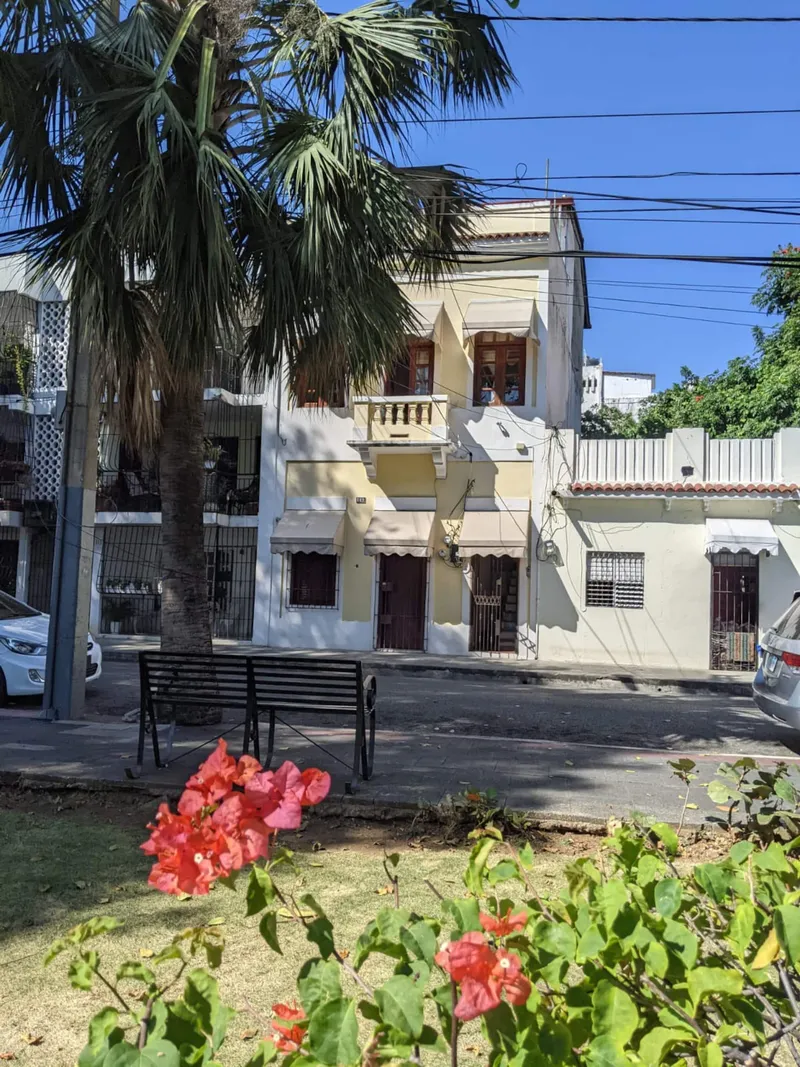
- You want to walk out of your door into a living neighborhood with five centuries of architecture.
- You care about food, music and conversation more than about lounging on a beach.
- You like learning where you are. The old city rewards curiosity.
- You want to spend money in local restaurants and shops, and to see how people live.
- You are traveling at a time when you'd rather not plan around a beach day.
Neither list is a judgment. Both places do what they do well, and the right choice depends on what the trip is for.
City first, beach second
The pattern that suits many people is both, in that order. Spend three or four nights in the Zona Colonial, with a day at Boca Chica or Los Tres Ojos, then take the bus or a transfer east for a resort finish. The reason to put the city first is energy: walking and climbing stairs in the old city is easier on day two than on day nine, and nobody is sorry to end a trip on a beach. The three-day itinerary and two days in the Zona Colonial show how to fill the city part.
You can also reverse it by flying into Punta Cana first, which has more direct routes, resting for a few days, and then going west to the capital. Either way, leave a day between them for the ride, and keep a late departure on the day you travel so you don't rush.
For a shorter trip, choose the one whose main activity you'd regret skipping. If it's history, the capital. If it's rest in the sun, the resort coast.
How the penthouse fits
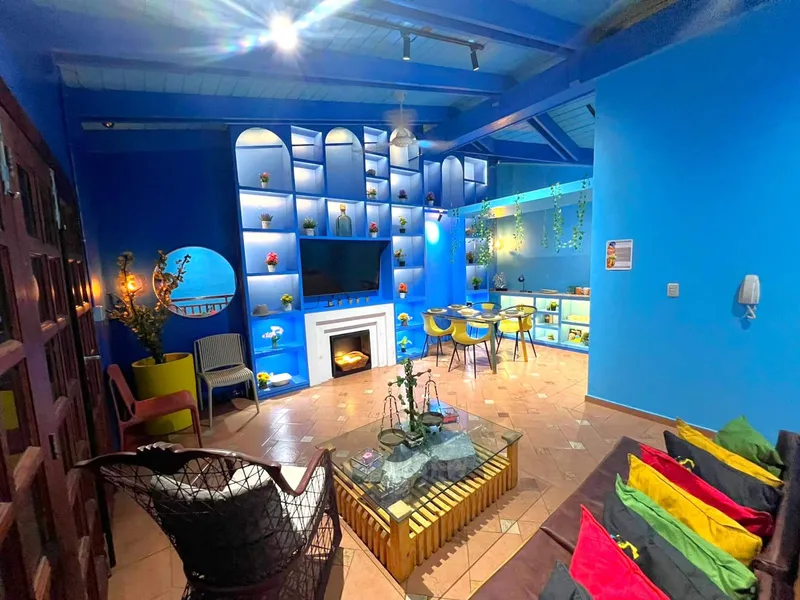
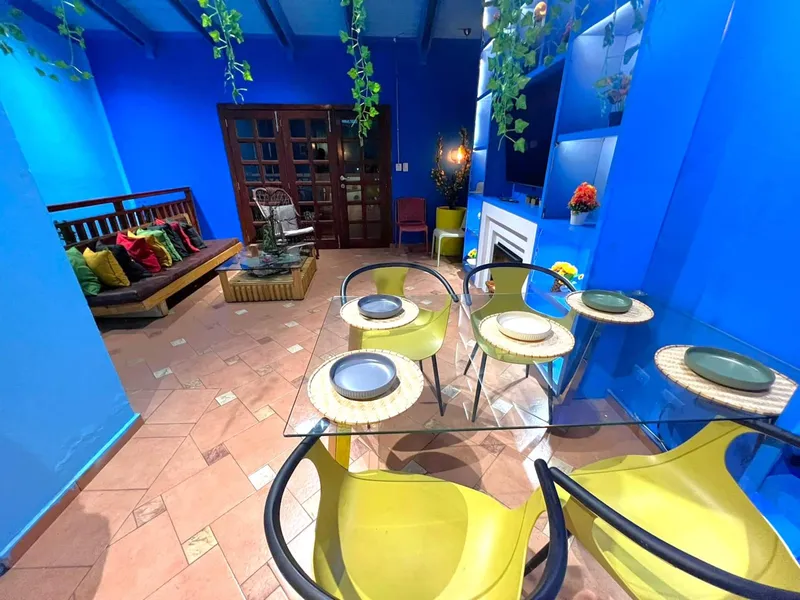
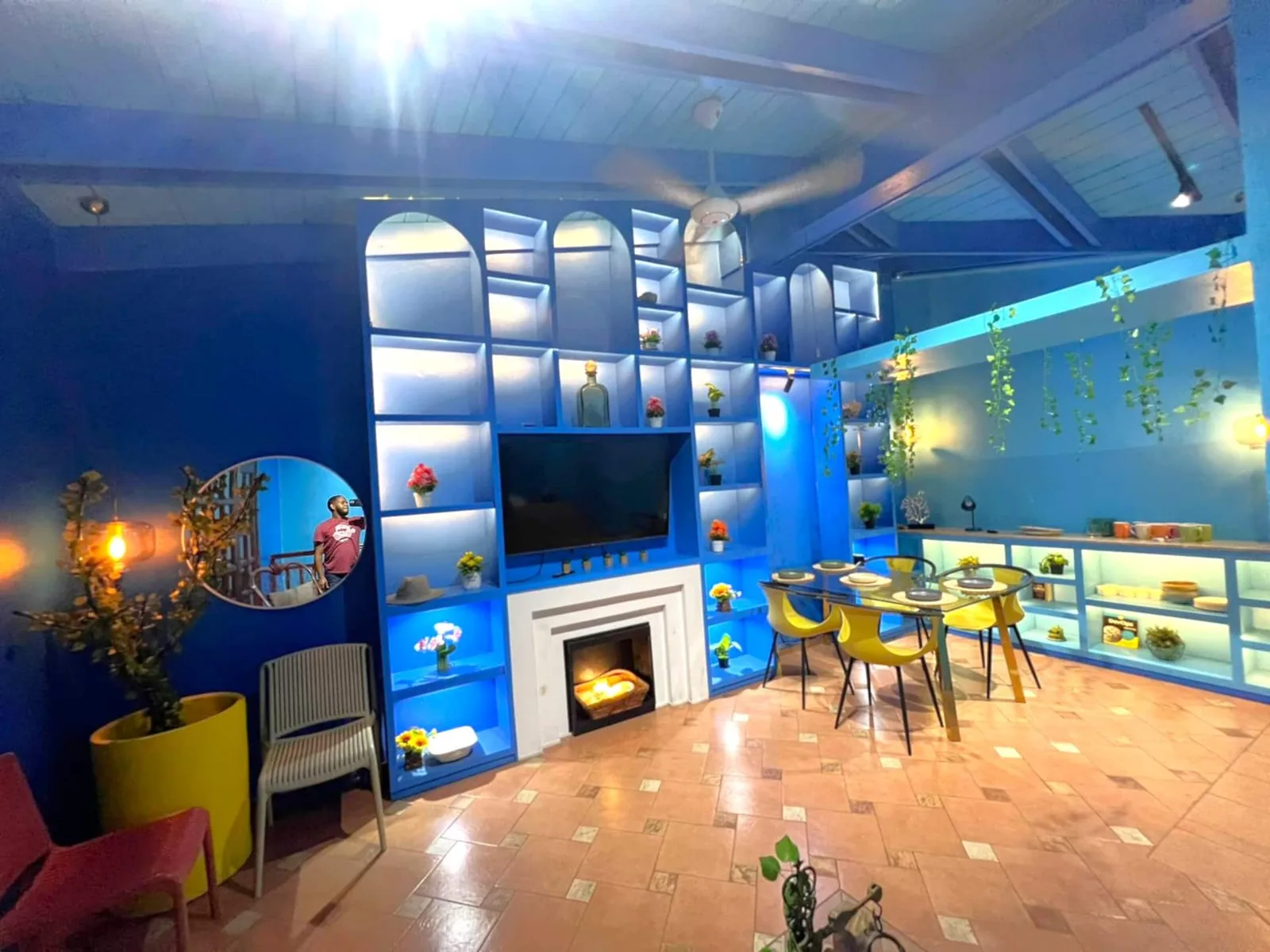
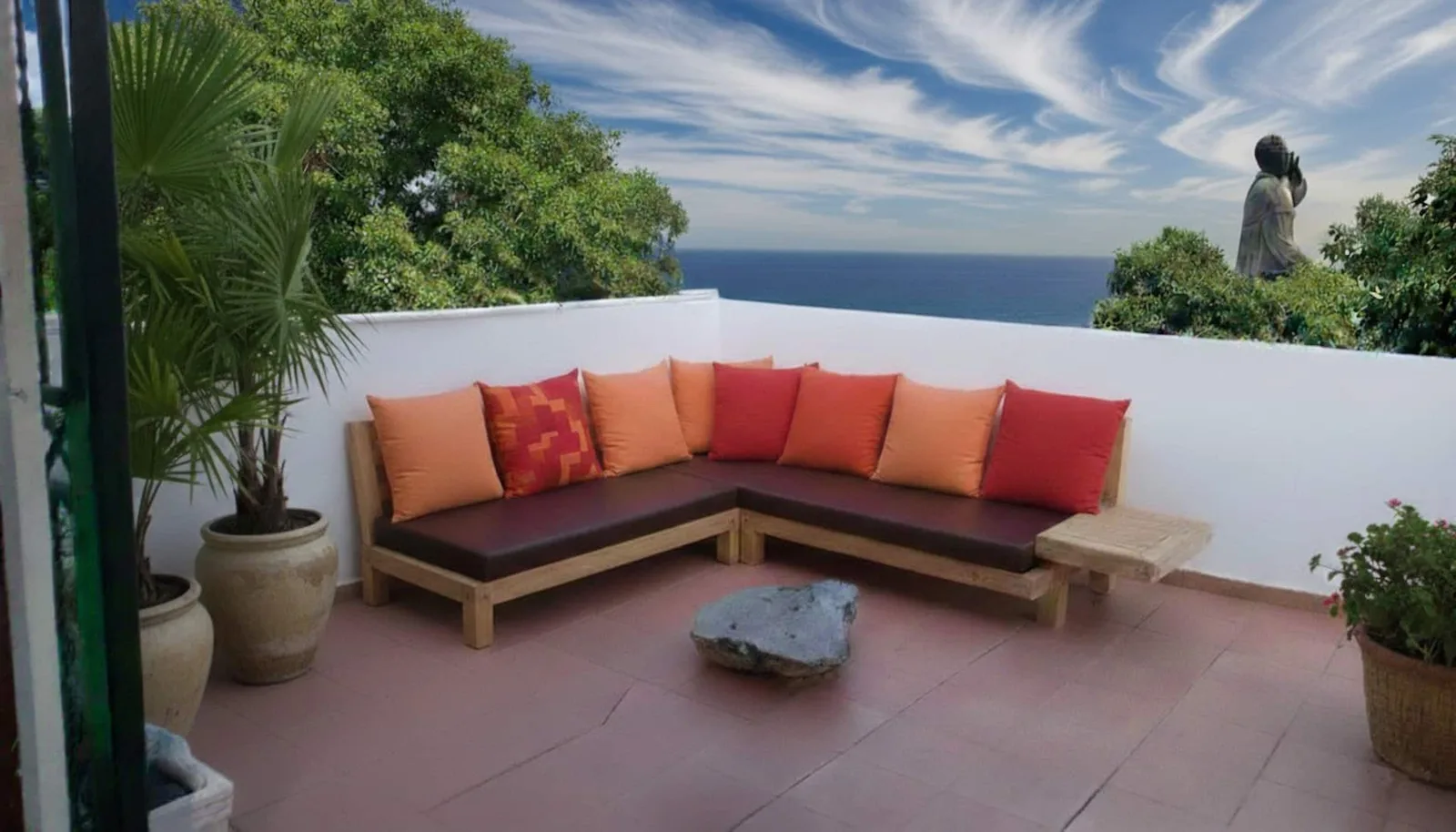
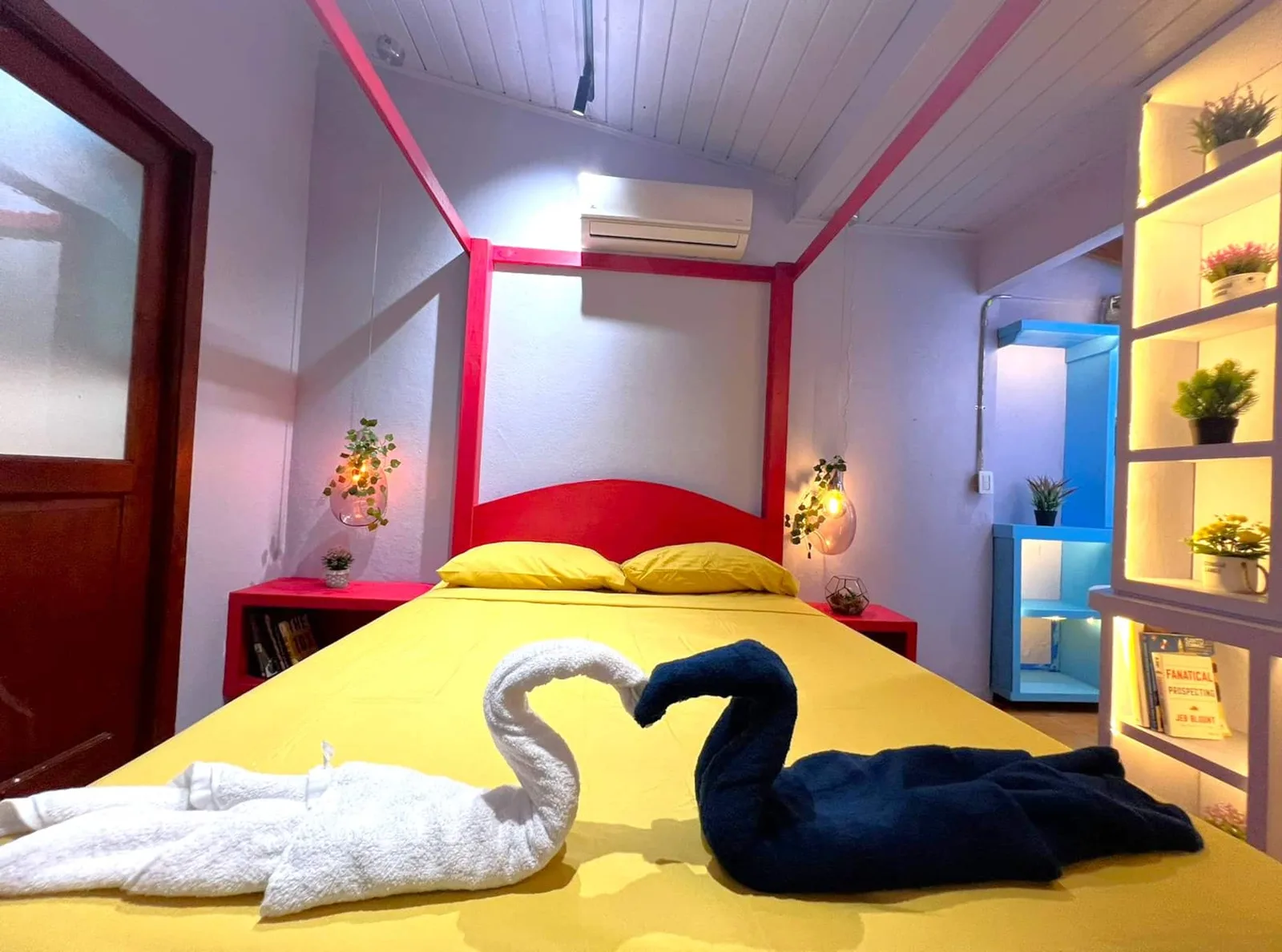
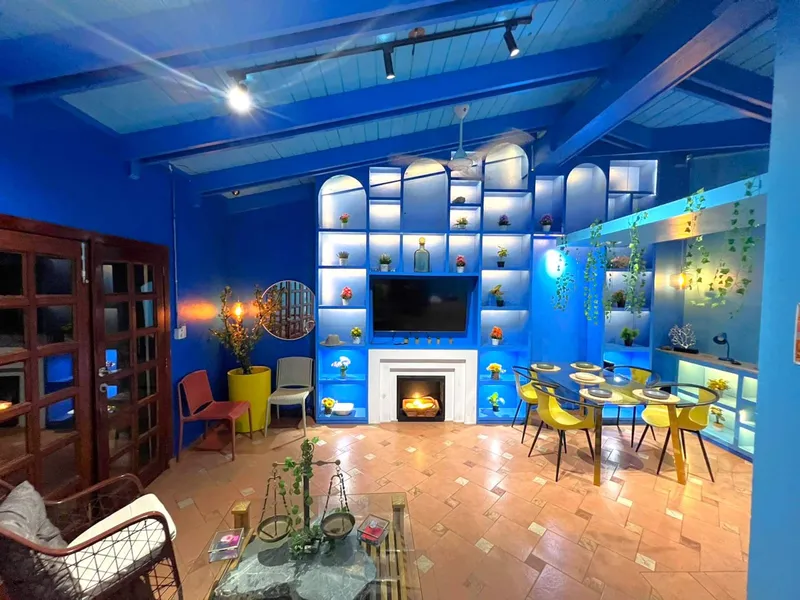
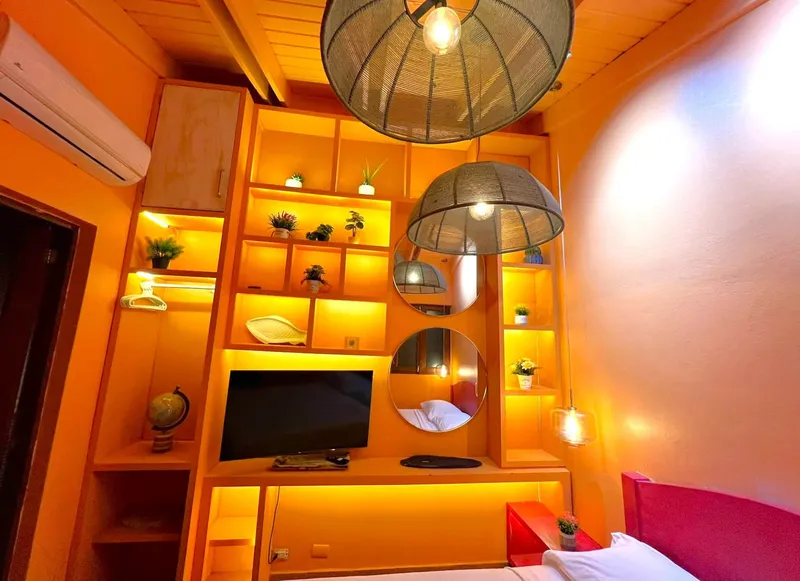
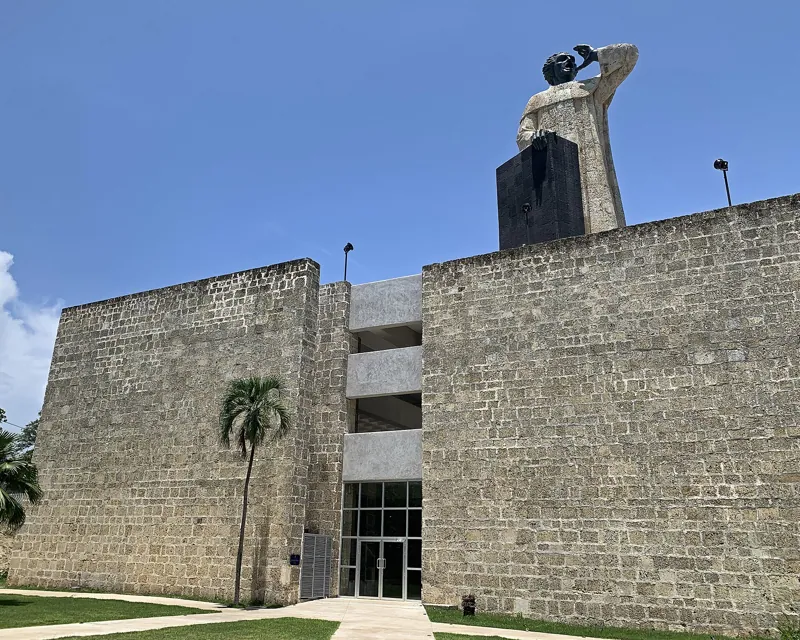
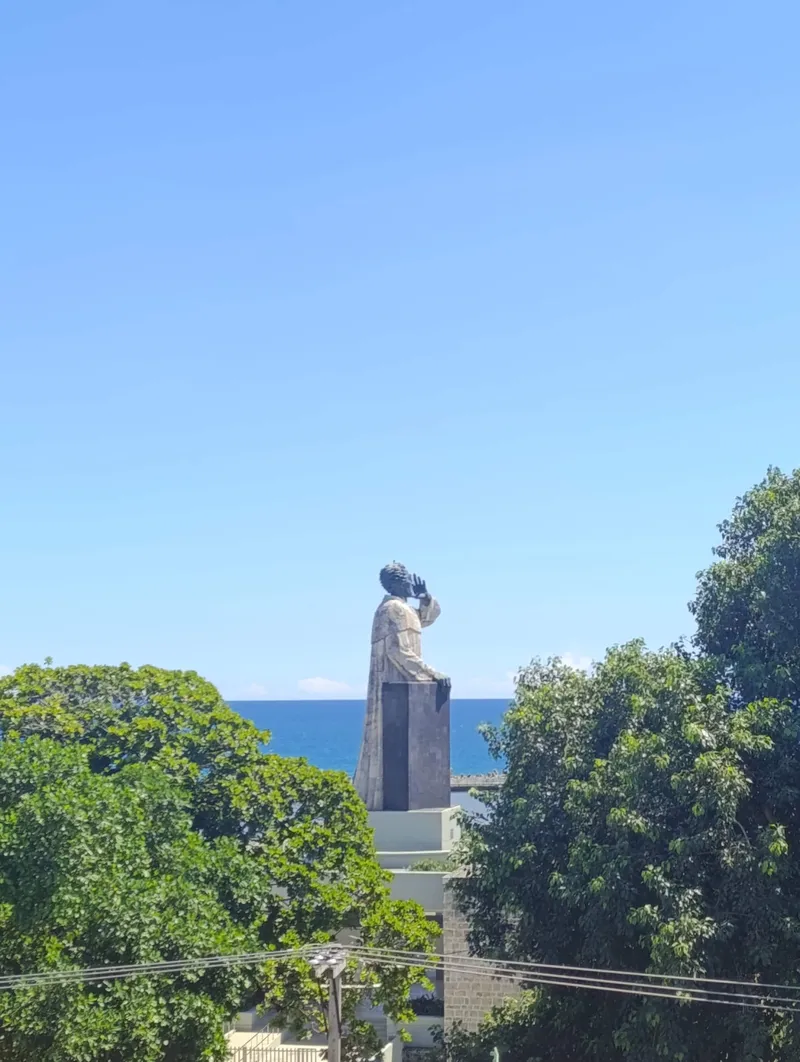
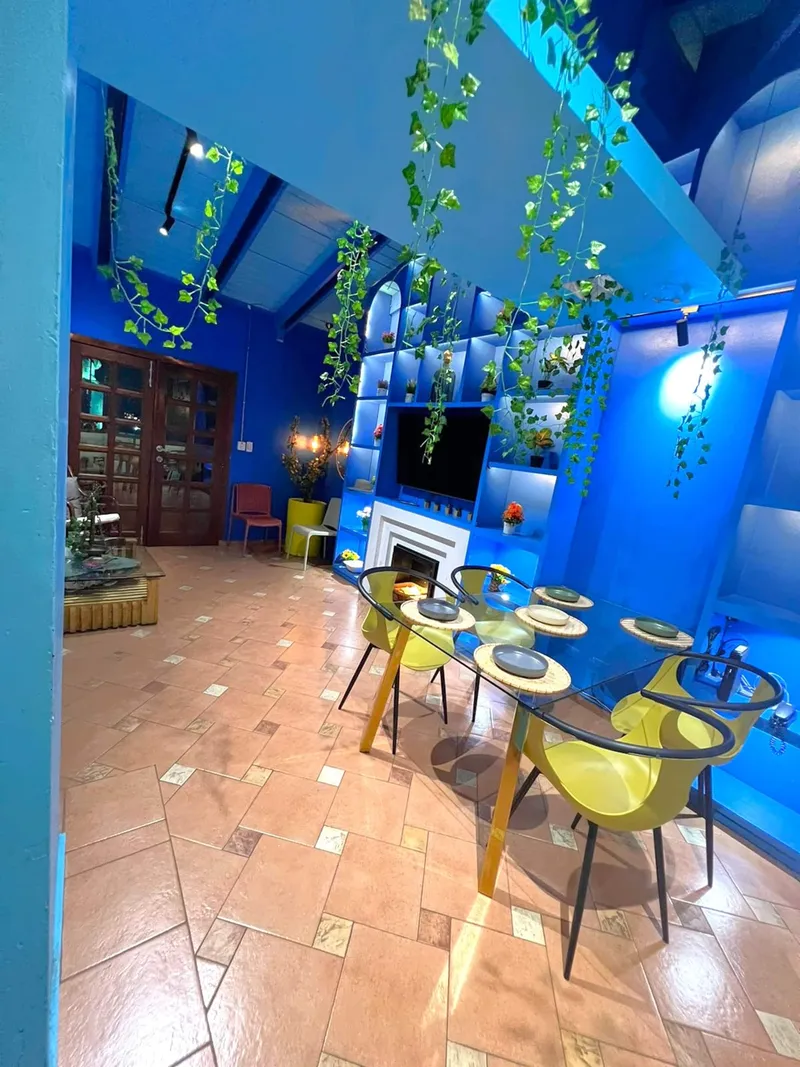
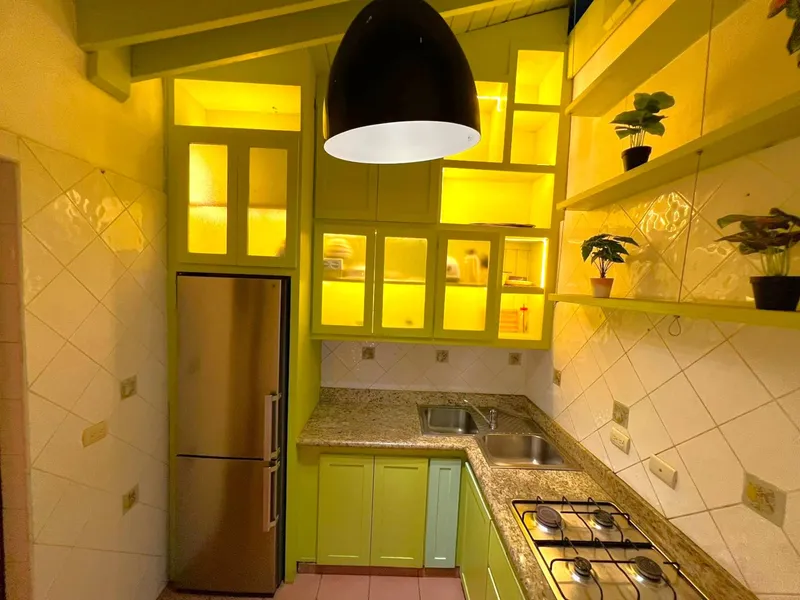
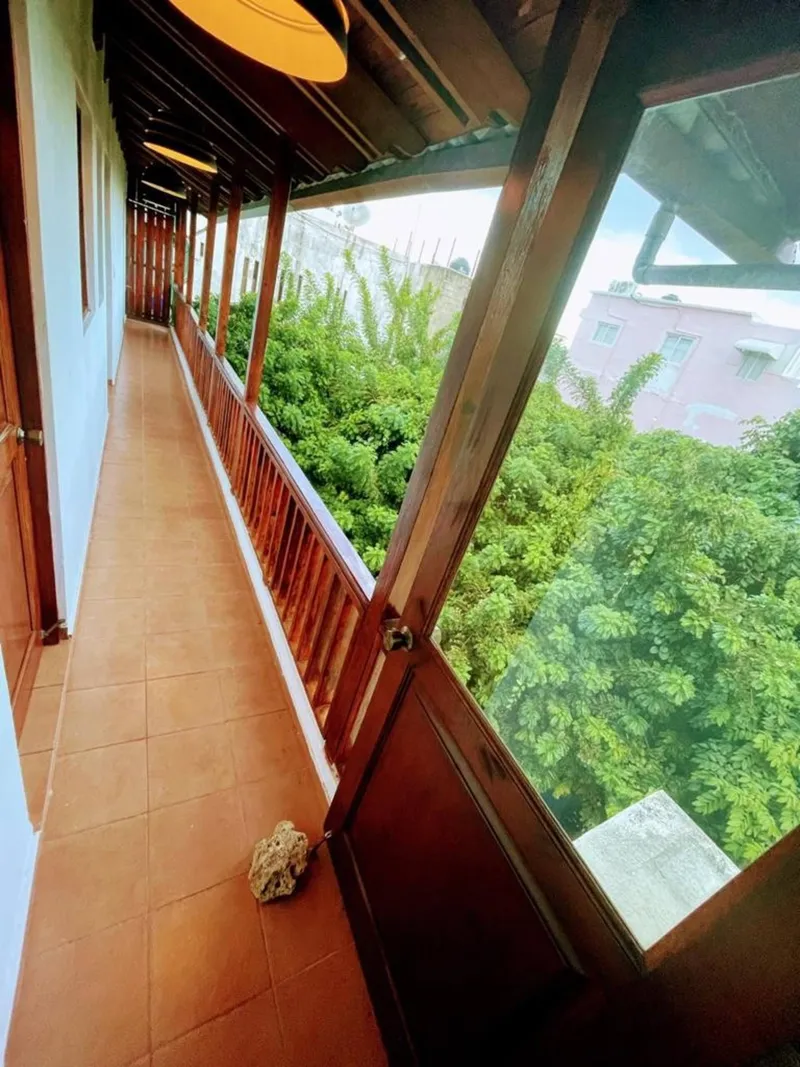
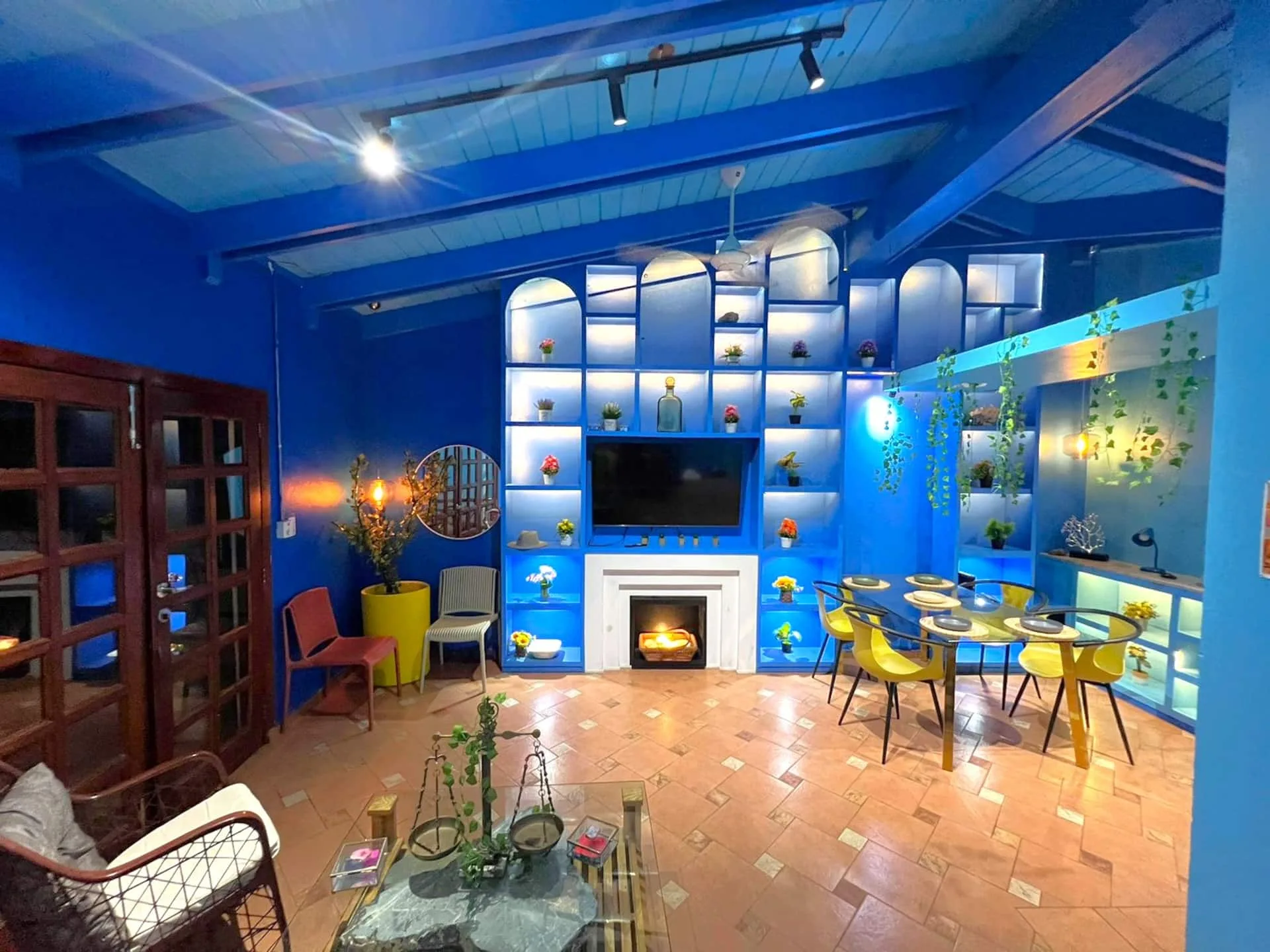
Penthouse Pallazzo is in the old city, facing the Montesinos monument and the sea, with three suites that each have a private bathroom, air conditioning and a TV, a full kitchen, Wi-Fi and a private deck. It is a third-floor walk-up with no elevator, stays of 28 nights or more are allowed, and pets are allowed. Power cuts happen in the Zona Colonial, and backup batteries run the lights and phone charging for up to 8 hours, but not the air conditioning. The house was remodeled in October 2026.
Frequently asked questions
How far is Punta Cana from Santo Domingo?
About 200 kilometers, according to travel guides, and about two and a half hours by road over the Coral highway, according to the Dominican tourism board. Buses take about three hours.
Can I do both on one trip?
Yes. Many travelers spend three or four nights in the Zona Colonial and then go east for the beach. An express bus runs daily between Santo Domingo and Bávaro, and private transfers are available.
Which place has better beaches?
Punta Cana, which has more than 50 kilometers of white-sand beaches. Santo Domingo has a small urban beach near the old city and a better beach in Boca Chica, about 30 minutes away.
Is Santo Domingo or Punta Cana cheaper?
It depends on your style. A resort bundles meals and drinks into one rate, while Santo Domingo is pay as you go, so compare quotes for your dates and group size.
Which is better for families?
Both work. The tourism board describes Cabeza de Toro in Punta Cana as family-friendly and Boca Chica as shallow and good for families. For a city-based family trip, see the article on Santo Domingo with kids.
How many days do I need in each?
The tourism board recommends two to three days for Santo Domingo and four to seven for Punta Cana. People who like museums and walking often add a day or two in the capital.
Sources
- https://www.godominicanrepublic.com/destinations/punta-cana/
- https://www.godominicanrepublic.com/destinations/santo-domingo/
- https://www.godominicanrepublic.com/destinations/boca-chica/
- https://www.godominicanrepublic.com/travel/getting-around
- https://www.godominicanrepublic.com/travel/travel-tips
- https://puntacanatravelblog.com/general-information-faq/transportation-between-santo-domingo-and-punta-cana
- https://inmobiliario.do/en/international-airports-handled-more-than-20.3-million-passengers-in-arrivals-and-departures-during-2025/
- https://www.nhc.noaa.gov/climo/
- https://www.gov.uk/foreign-travel-advice/dominican-republic/safety-and-security
- https://travel.gc.ca/destinations/dominican-republic