Santo Domingo is not built around children the way a resort is, but it has more for them than most people expect. There are caves with underground lakes, an aquarium, a zoo with a train, a fortress with a tower, a sea front with a playground and a calm beach half an hour from the old city. What it doesn't have is smooth pavement, shade at noon or much in the way of a clear schedule, so a good family trip here is a matter of choosing the right few things and leaving room around them.
This guide goes through what children tend to enjoy, how long each place takes, what to know about the old streets and strollers, and the health and safety points that apply to parents. Hours and prices change, and several of the sources below are a few years old, so the article says "check before you go" where it matters.
A fortress to walk around
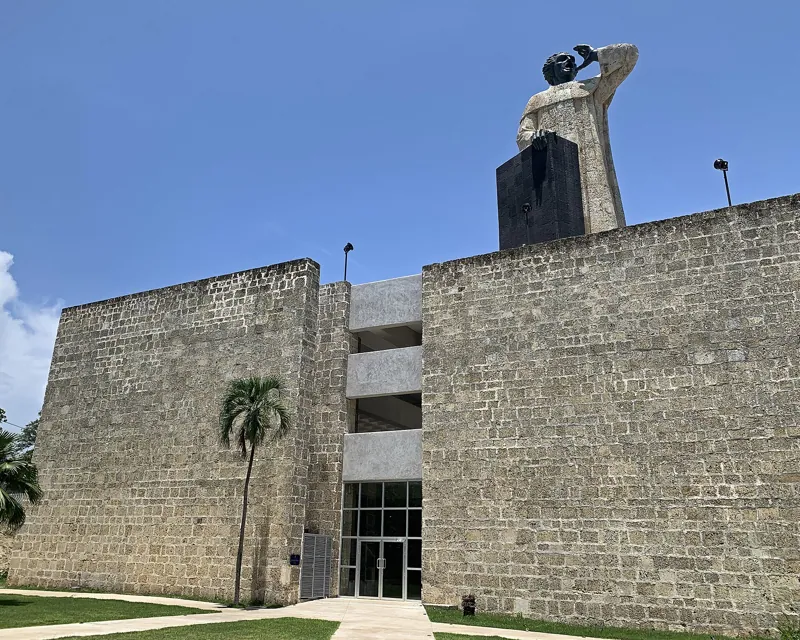
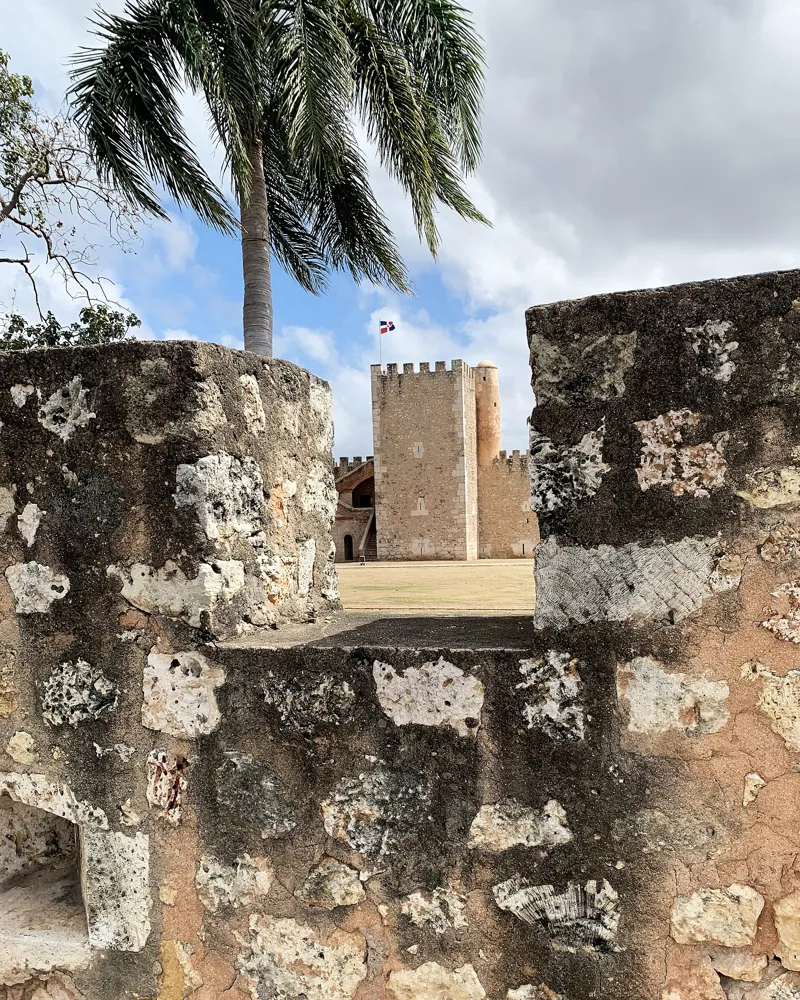
Fortaleza Ozama is the easiest first stop with children because it is a place they can move around in. It sits beside the Ozama River in the Zona Colonial, with the Torre del Homenaje, its tall tower, walls, courtyards and old cannons on the grounds. A family that toured it with a guide describes exploring its chambers and courtyards. Children who aren't interested in a museum tend to like a building they can explore.
Plan about an hour. Go in the morning before the sun is high, because open courtyards have little shade. Opening hours reported by different sources conflict, so check before you set out. The fort's own story is told in our Fortaleza Ozama article.
Los Tres Ojos
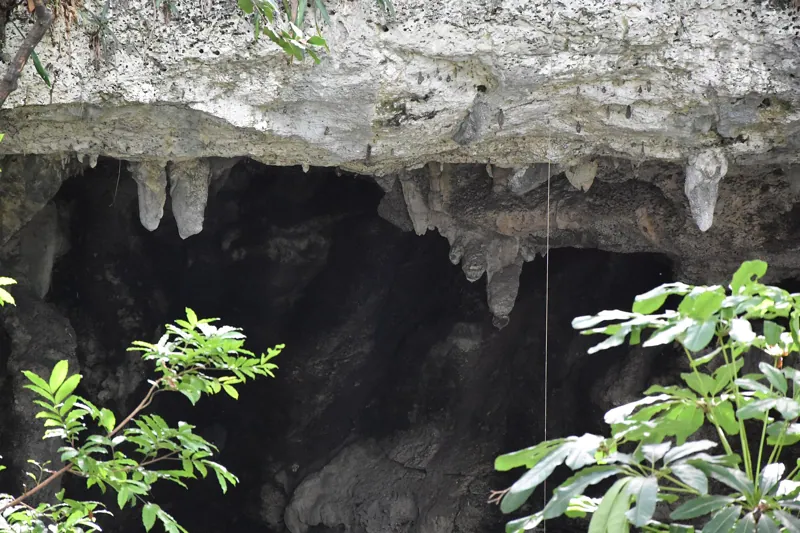
Los Tres Ojos, "the three eyes," is the day many children remember. It is a limestone cave park in the Mirador del Este park in Santo Domingo Este. Despite the name it has four ponds. The first, Aguas Azufradas, has a mineral color. The second, La Nevera, is the smallest and coldest, at 15 to 21 degrees Celsius, because it never gets sun. The third, the Lago de las Mujeres, also called the Lago de las Damas, is the largest and has strong undercurrents; it is only 2.5 meters deep at its deepest point, and swimming is no longer allowed. The fourth, Los Zaramagullones, is a cenote under a collapsed roof, open to the sky. The ponds lie about 15 meters below the surface.
The part children love is the crossing. A wooden ferry pulled along ropes carries visitors across La Nevera, and a boat ride crosses the second lake to reach the fourth pond. The visit is self-guided.
What to know before you go
- Stairs. Getting down to the ponds involves several flights of steps, about five to seven according to one visitor, and you climb back up the same way. Surfaces can be slick. This is not a place for a stroller, and parents of toddlers will want a carrier.
- Shoes with grip, cool clothes, and your own water, because a 2019 account says there are no food stands inside.
- Repellent, depending on the season, since the park is damp.
- Hours. The most detailed listing gives 9 a.m. to 5 p.m. daily, with last tickets sold around 3 p.m., but those details come from older pages and should be confirmed.
- The fee is modest, and extras such as the boat to the fourth pond are charged separately. Figures vary between sources, from about 50 pesos to more, so carry small bills.
- Guides will offer their services near the entrance. You can walk straight to the ticket kiosk if you don't want one.
Our Los Tres Ojos guide covers it in more detail. Set aside a morning, and the cave stays cool while the day heats up outside.
The Acuario Nacional
The National Aquarium is on Avenida España in Santo Domingo Este and opened in 1990. It closed for about a year for renovation and reopened in December 2024 after an investment of RD$93 million by Banreservas and the Fundación Reservas del País. According to coverage of the reopening, it now shows about 5,300 specimens of roughly 200 species in 76 tanks across seven rooms, with 11 new species, a rebuilt freshwater room with 12 new aquariums, interactive screens and information panels, a renovated auditorium and restored coastal-style gardens. Older coverage from 2009 describes a shark tank and a tunnel under the water.
A second phase was announced for the Caribbean coral reef tunnel and a children's playground, with no date given, so ask before you go which parts are open. A parent who visited before the renovation reported indoor and outdoor areas, a playground and outdoor pools the children loved, about a 15-minute taxi ride from the Zona Colonial. A water park across the street was also mentioned, though the same parent thought its cleanliness was below expectations.
Plan two hours. Opening hours in published listings disagree, with one set giving Tuesday to Sunday, 9:30 a.m. to 5:30 p.m., so check on the day.
The zoo
The Parque Zoológico Nacional, known as ZooDom, is on Avenida de la Vega Real in Arroyo Hondo. A 2020 report counted 851 animals of 125 species and 40 exhibits, including flamingos, lemurs, a white rhinoceros, big cats and Bengal tiger cubs born that year. It has a train that covers the longest route, which helps small legs. The zoo is large, so decide before arriving whether you will walk it all or ride the train and pick two or three areas. Plan two to four hours and check current hours, which listings give as Tuesday to Sunday.
The Malecón and the playground
The Malecón, the sea front promenade along Avenida George Washington, is where Santo Domingo families go in the evening, and it suits children who need to run. One parent reports that Parque Eugenio María de Hostos, a large park along the Malecón, has swings, see-saws and monkey bars, with many local children playing, and that the promenade is especially pleasant in the evening. The same parent notes litter on the Malecón and around the city, and says that food stalls at Plaza Juan Barón were pricey and that people there may hassle you if you sit too long. The Malecón is also an easy walk from the penthouse. See our Malecón guide for the route.
Parque Colón and the old streets
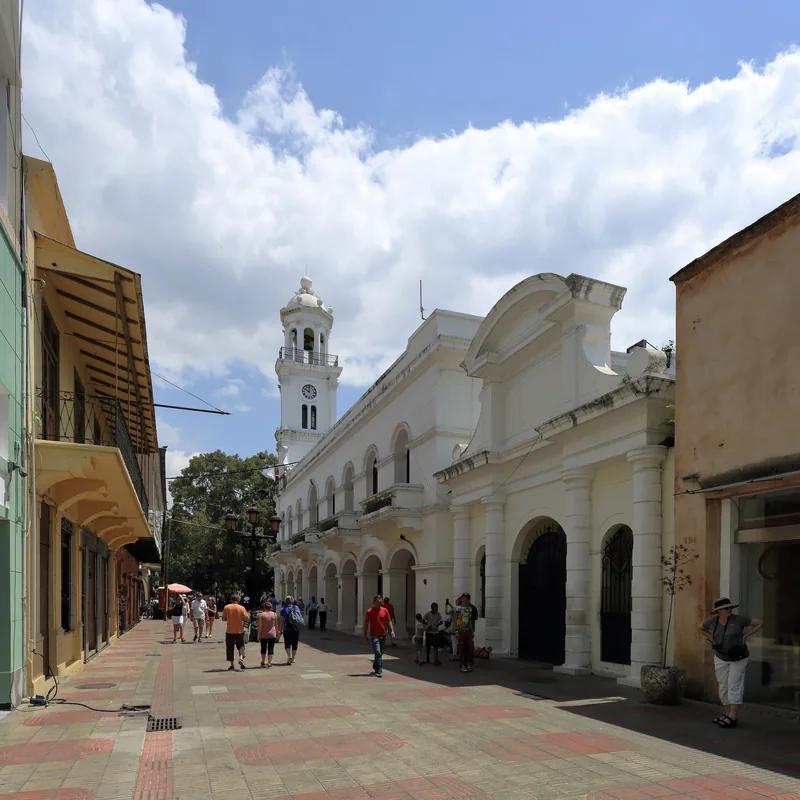
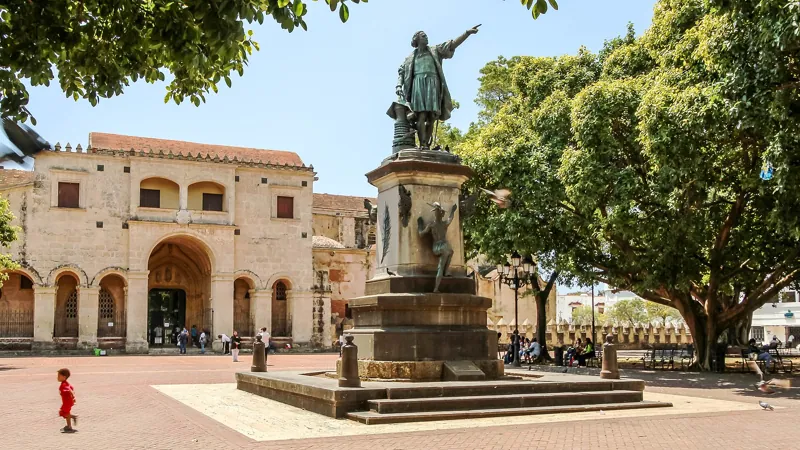
Parque Colón is the main square of the old city, at the foot of the pedestrian Calle El Conde and in front of the cathedral, and it's an easy place to sit while children run in the open space. The tourism board names Calle El Conde, Parque Colón, Puerta del Conde and Independence Park as the gathering points in the capital. A café with outdoor seating is a good reset after a museum.
For history with children, keep it short. A single museum visit of 45 minutes works better than three. A children's museum in the city, Museo Infantil Trampolín, was reported as a guided visit best suited to older children who understand Spanish. The two days in the Zona Colonial and the Zona Colonial complete guide list the sights in walking order.
Boca Chica
For a beach day, Boca Chica is the usual choice. The tourism board says it is a lively urban beach about 30 minutes from Santo Domingo, with shallow water that suits families. Children can wade, and the reef areas allow snorkeling; short boat trips reach La Caleta, an underwater national park. Weekends bring music and crowds, and the board lists weekends, Holy Week and summer as peak times, so go on a weekday if you can.
Take sun protection seriously. The CDC advises sunscreen with SPF 15 or higher, protective clothing and shade between 10 a.m. and 4 p.m., and warns to be extra careful near sand and water. It also advises avoiding swallowing water when swimming. The Boca Chica and Juan Dolio guide has the practical details.
Strollers and the reality of old streets
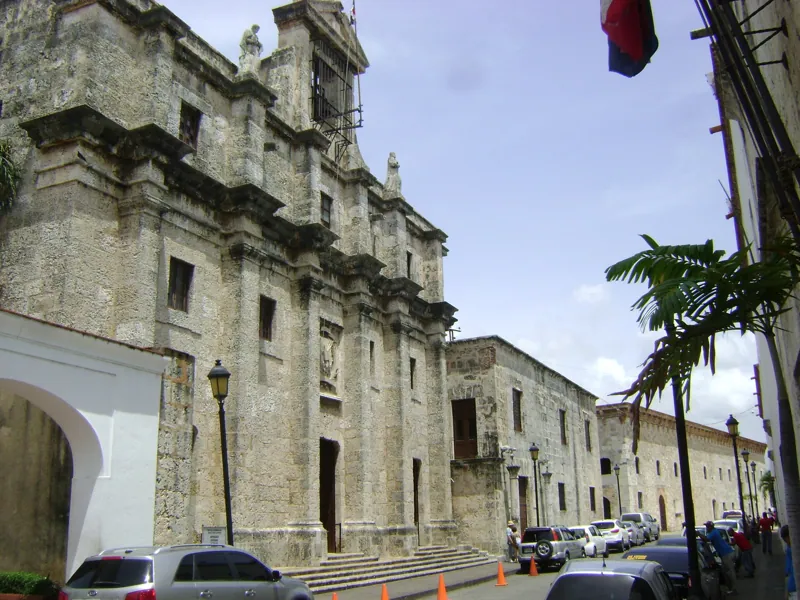
Think twice before you bring a stroller. The Zona Colonial's streets are stone, with cobbles, high curbs and cracked sections, and a parent who visited with children reports many cracks and gaps in the footpaths and recommends a small, lightweight stroller only if necessary, with a carrier as the better choice. Calle Las Damas is described as a cobblestone street, and even where a stroller is workable, expect to lift it over curbs.
Crossing main roads is another difficulty. The same parent found crossing hard and recommended marked crossings and patience, and the CDC lists motor vehicle crashes as a major risk in the country, advising seatbelts, avoiding motorbikes and overcrowded vehicles, and avoiding night driving. If you take a taxi, ask whether the car has seatbelts that work, and ask any private driver or transfer service about child seats before you book, since this article can't confirm what each provider supplies. Motorbike taxis are not for families.
The best plan is to use taxis or ride-hailing for longer distances, walk the old city in short loops, and carry children who tire. The Zona Colonial is compact, so most sights are close together.
Food for children
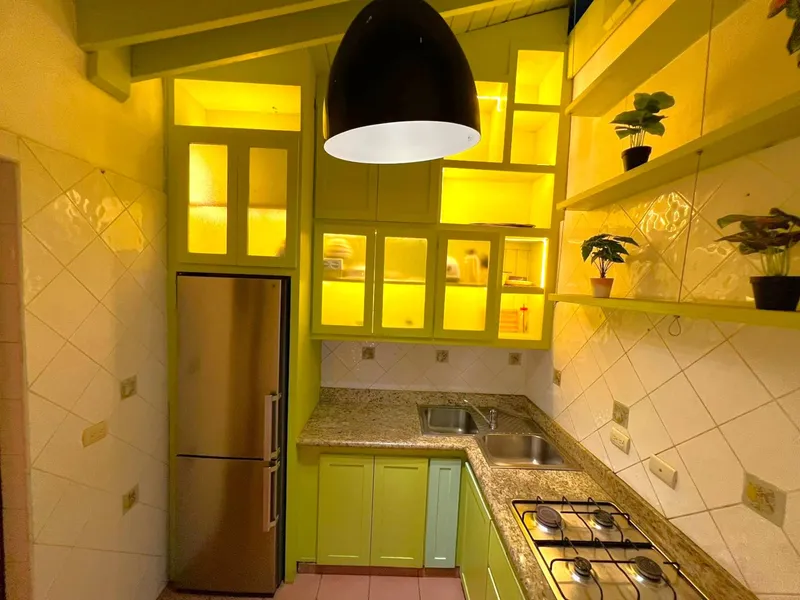
You'll find plenty children will eat. Rice, beans and chicken plates are standard comedor food, and the full kitchen at the house lets you feed children early and keep it easy. The eating and drinking guide covers dishes and where to go.
The rules that matter most are about water. The UK government says tap water isn't drinkable, and the tourism board says not to swallow shower water either, so use bottled water for drinking, brushing teeth and mixing anything for babies. Wash hands before eating, and use hand sanitizer with at least 60 percent alcohol when soap isn't available, as the CDC advises. Restaurant bills add a 10 percent service charge and 18 percent ITBIS sales tax, per the tourism board.
Health for families
- Sun and heat. Keep children hydrated, wear hats, and plan indoor time at midday. The CDC advises eating and drinking regularly, wearing loose clothing and limiting activity in high heat, and eating salty snacks during long hours in the heat. The tourism board gives the city's range as 24 to 31 degrees Celsius.
- Mosquitoes. Dengue and Zika are present. Use repellent and long sleeves in the early morning and evening, and stay in air-conditioned or screened rooms. The CDC says Zika can pass from a pregnant woman to her baby, which matters for expectant mothers in the family.
- Vaccines. The CDC recommends hepatitis A for unvaccinated travelers one year and older, and says all international travelers should be fully vaccinated against measles. Ask your pediatrician several weeks ahead.
- Animals. The CDC advises avoiding unknown animals. If a child is bitten or scratched, wash the wound with soap and clean water and see a doctor right away. Rabies is present in the country, according to the UK health advisory.
- Medicines. Bring enough prescription and over-the-counter medicine, and check that prescriptions are legal in the Dominican Republic.
- Care. The CDC says trauma care is limited outside urban areas, and the Canadian government says good medical care is reliably available only in major cities, with private hospitals better equipped but sometimes charging up front. Buy travel insurance that covers medical evacuation.
- Emergencies. 911 reaches an ambulance in Santo Domingo, according to the UK government.
Safety with children
Government advice from the UK and Canada calls for ordinary big-city caution: bag snatching and pickpocketing happen, and violent crime mostly occurs after dark. Keep children close in crowds, carry phones and wallets out of sight, take a taxi for evening trips, and stay in well-lit areas. A parent who visited reported minor hassle from tour guides in the Zona Colonial. A polite "no, gracias" is enough. The tourism board says CESTUR, the tourist security corps, can help visitors, including with crime reports.
On arrival, the entry form is simple for families. The tourism board says one e-ticket form can cover up to seven family members, children don't complete the customs section, and you should print or screenshot the QR codes.
A family plan
- Day one: Fortaleza Ozama in the morning, lunch near Parque Colón, a rest at home in the heat, a walk on the Malecón in the evening.
- Day two: Los Tres Ojos in the morning while the cave is cool, then the aquarium nearby, both in Santo Domingo Este, with a taxi between them. Check the map and the hours.
- Day three: Boca Chica, a weekday if possible, with sun protection and a seafood lunch.
- Day four: the zoo, with the train, or a quiet day at the house.
Leave one day empty. Children in a hot city need a day without a schedule more than parents expect.
How the penthouse fits
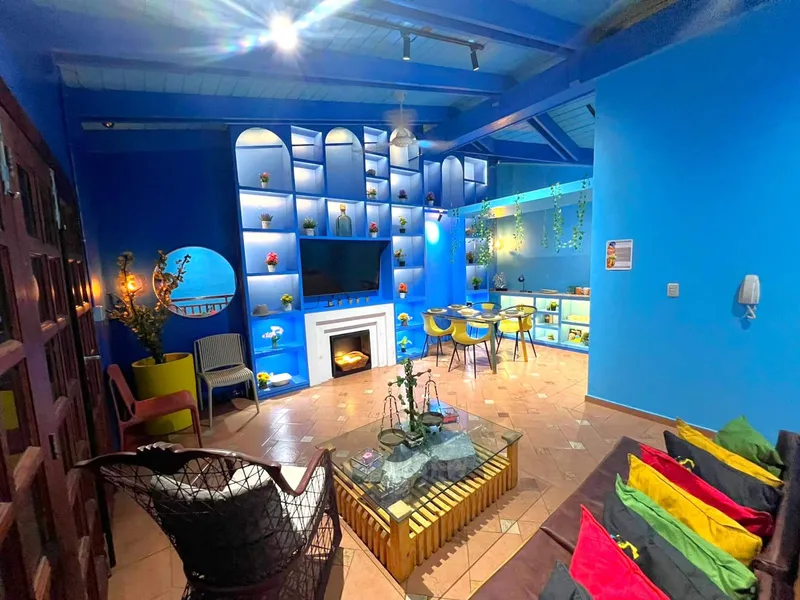
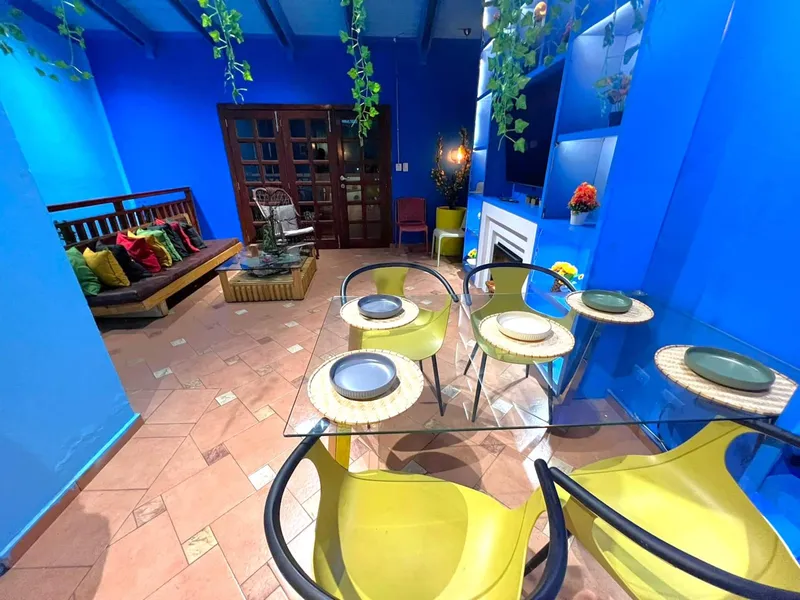
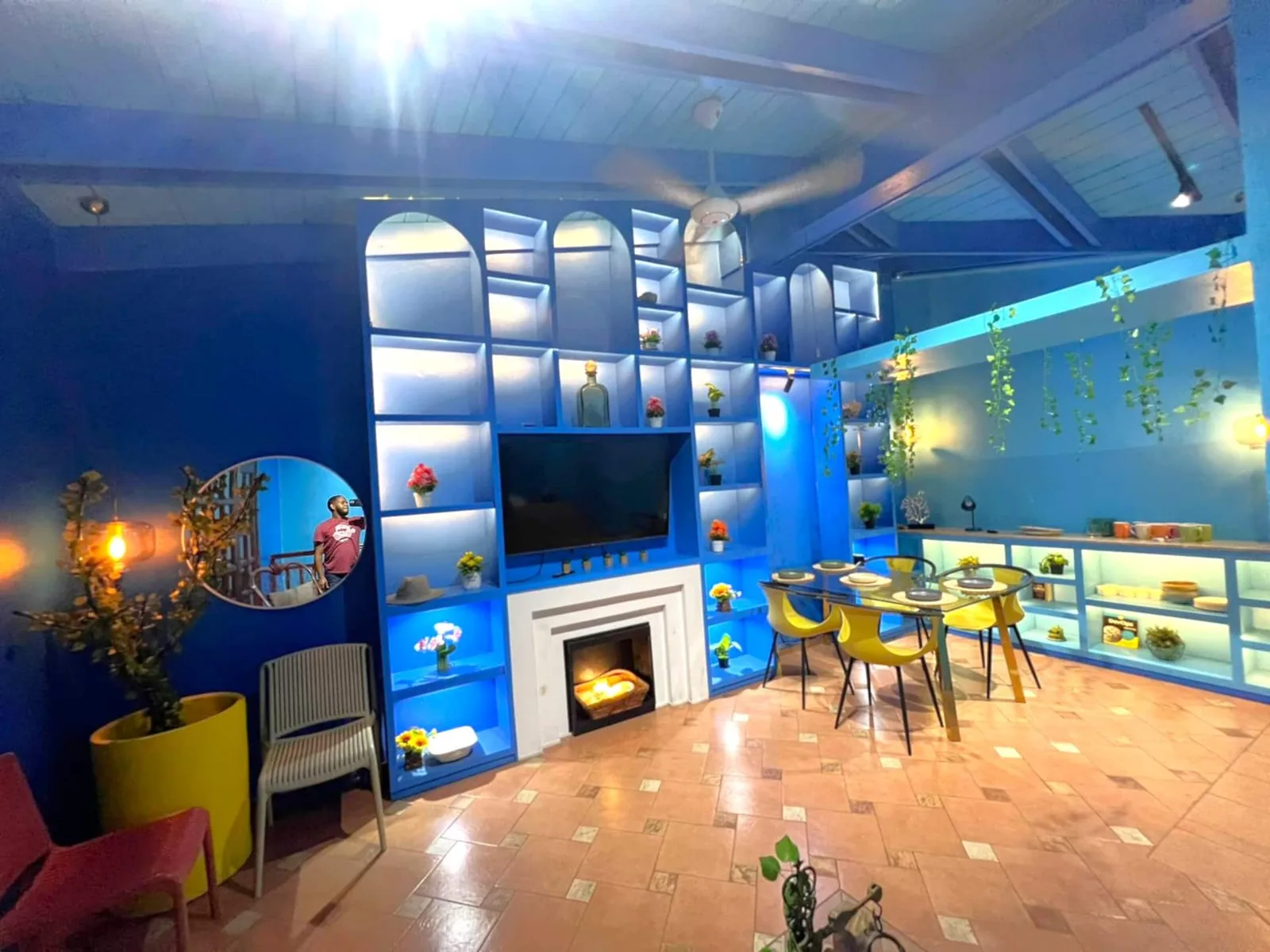
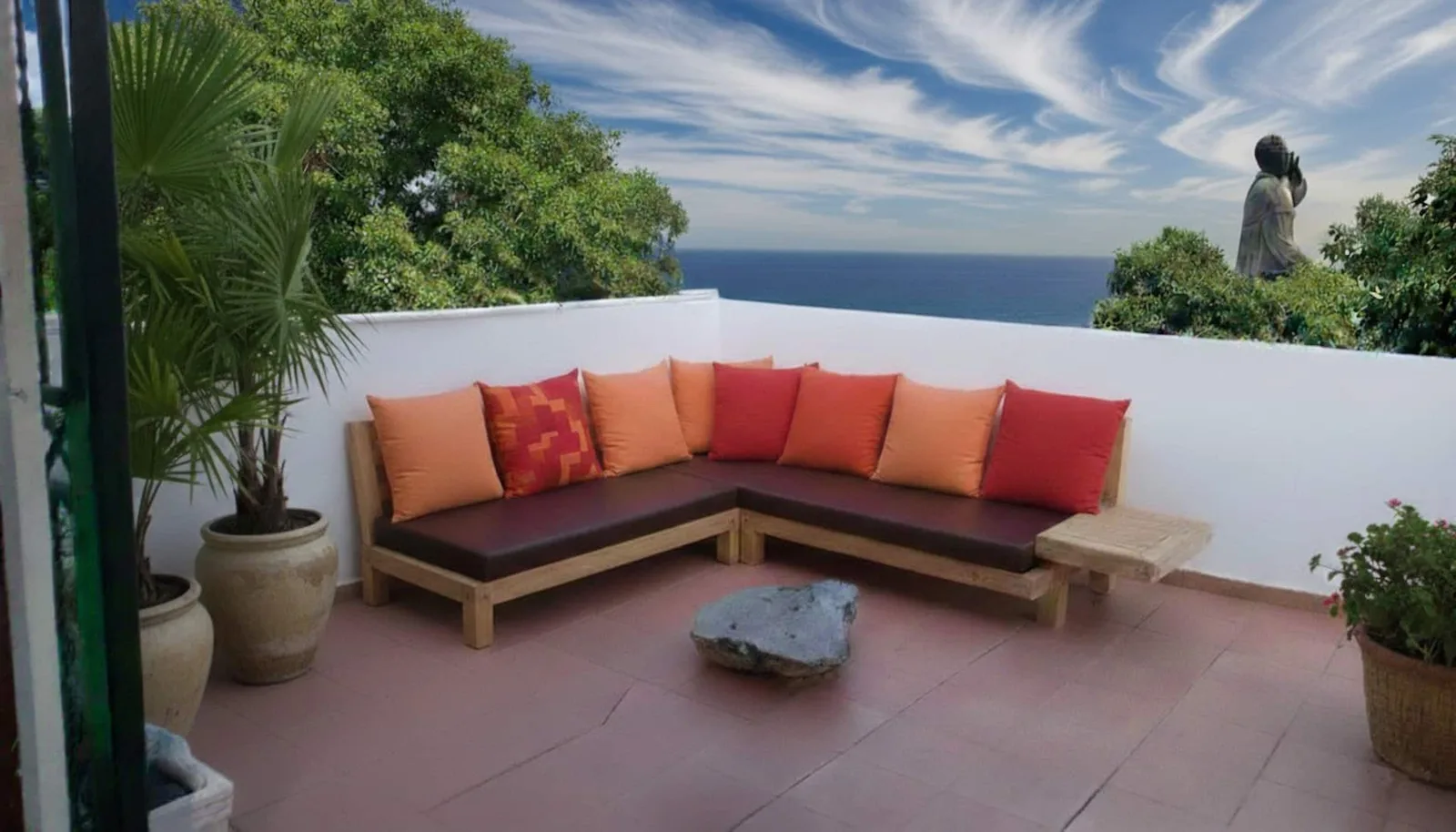
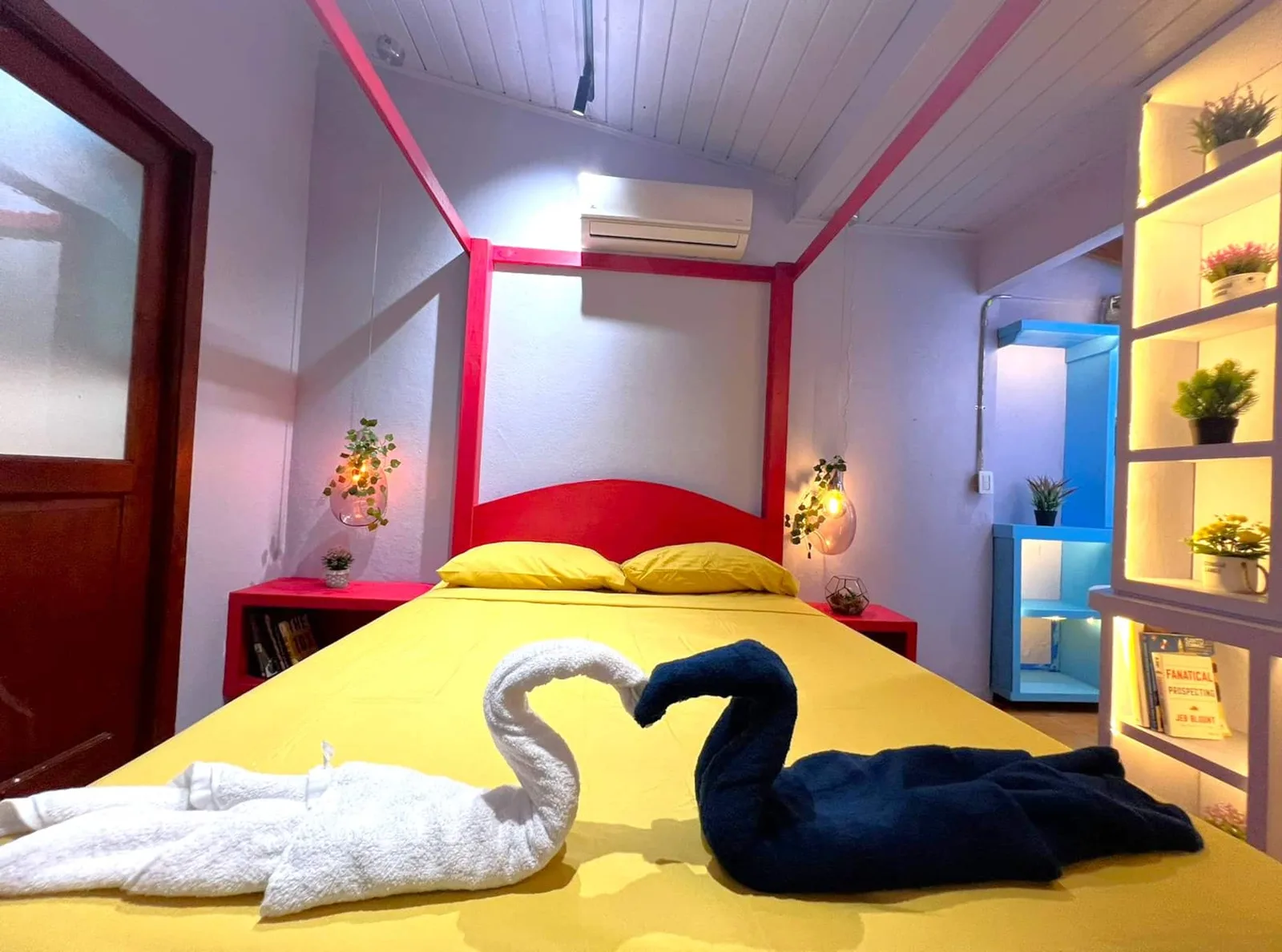
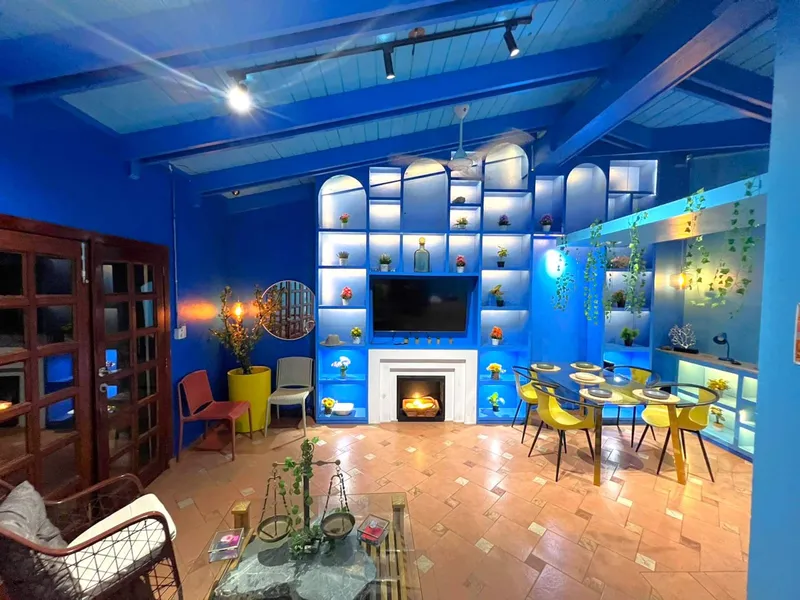
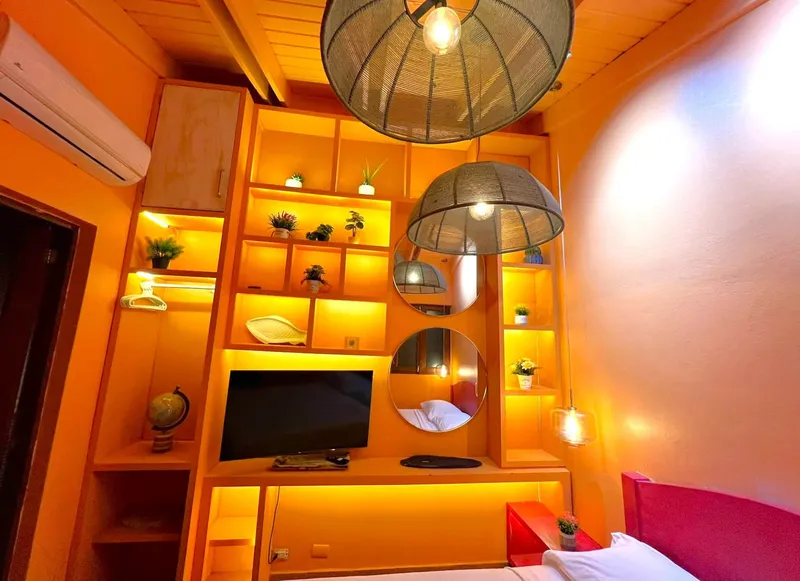
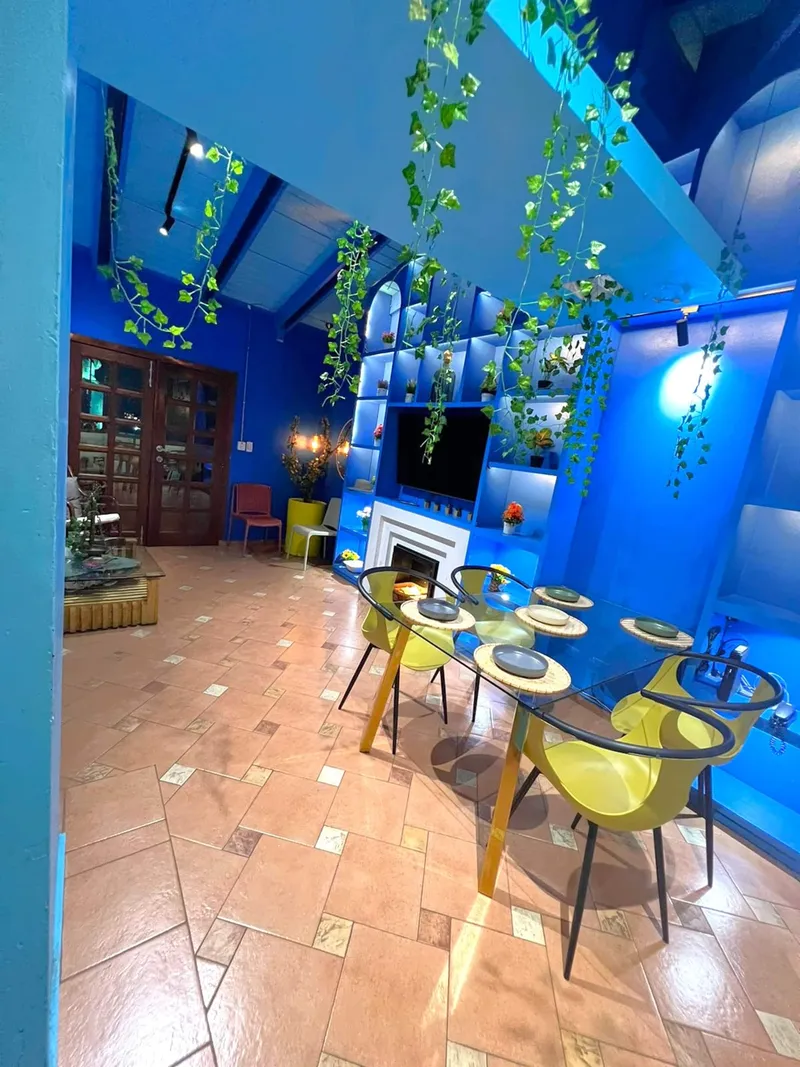
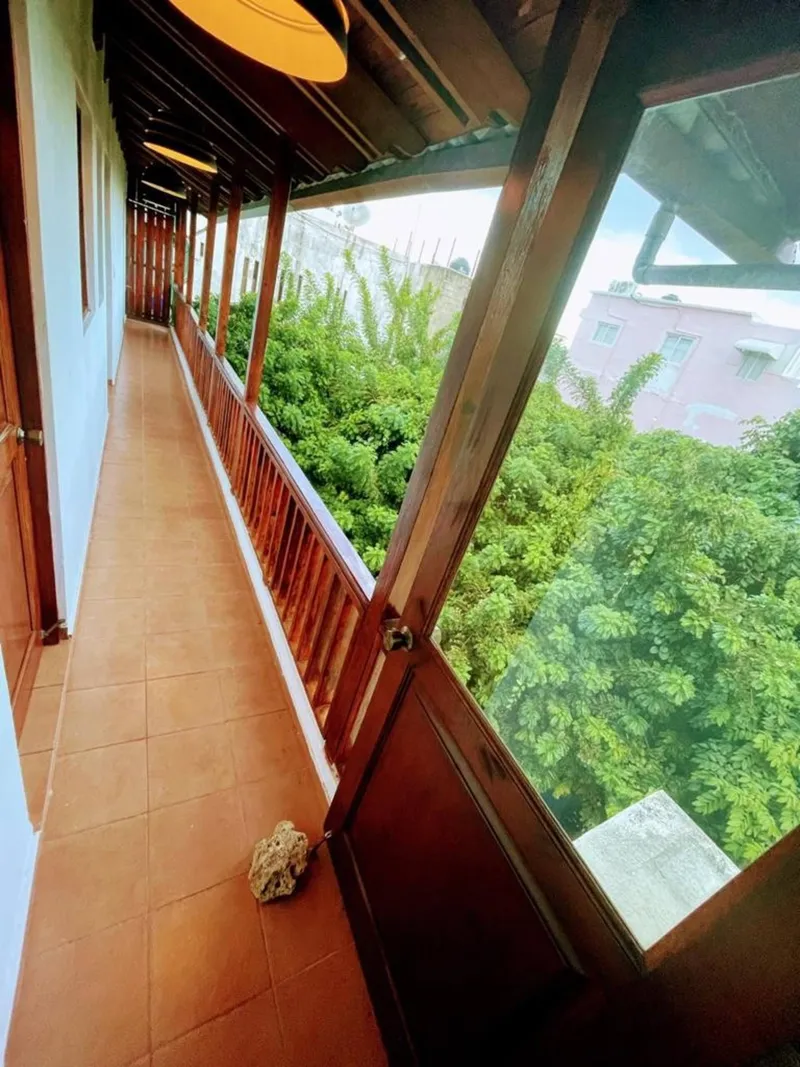
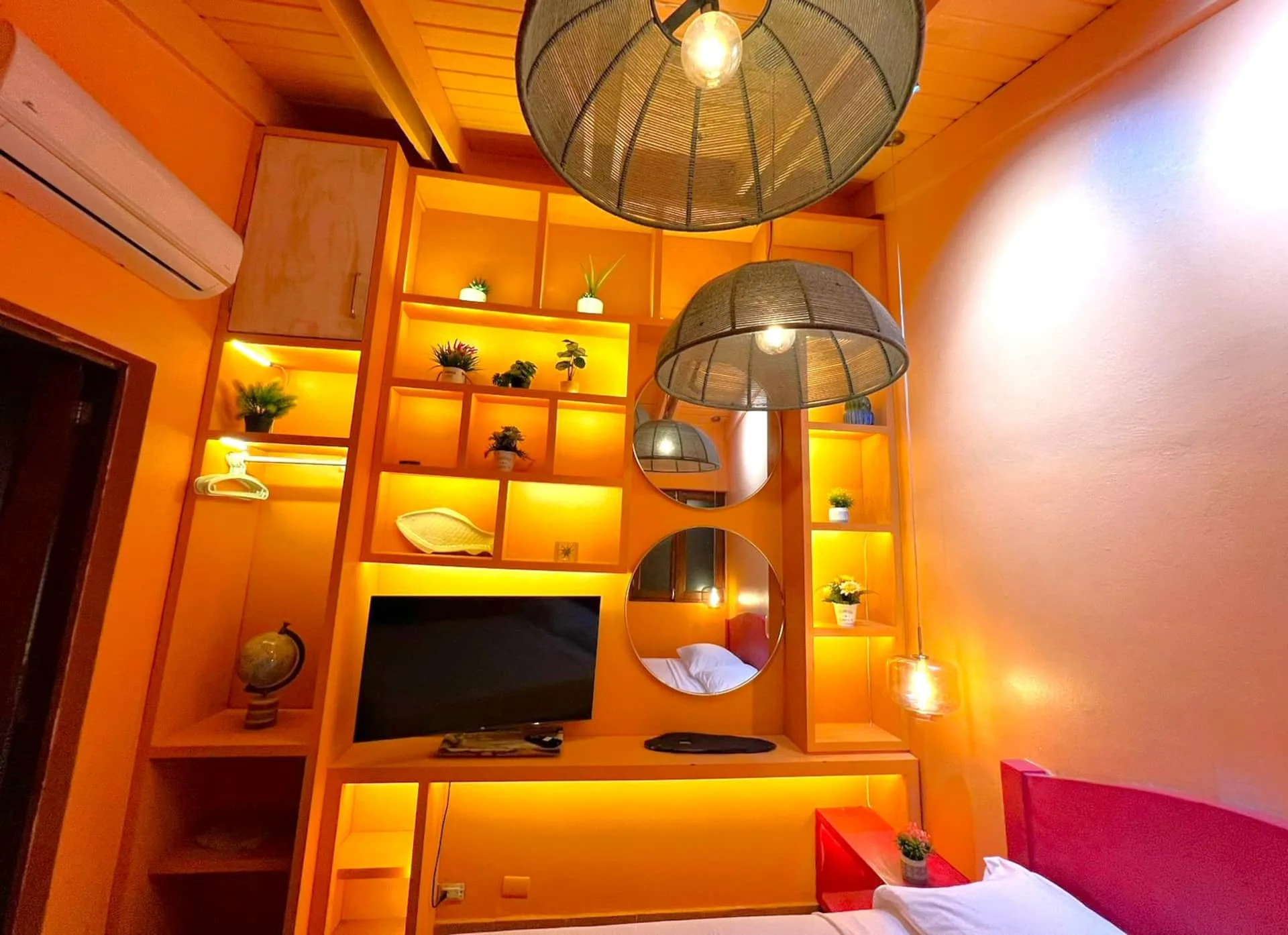
Penthouse Pallazzo has three suites, each with a private bathroom, air conditioning and a TV, so a family with several children or grandparents isn't sharing one shower. The full kitchen makes early dinners and bottled-water routines easy. It is a third-floor walk-up with no elevator, so strollers have to be folded and carried, and pets are allowed. Power cuts happen in the Zona Colonial, and backup batteries run the lights and phone charging for up to 8 hours, but not the air conditioning. The house was remodeled in October 2026.
Frequently asked questions
What is the best day trip with kids from Santo Domingo?
Los Tres Ojos is the usual favorite because of the caves, the ponds and the ferry on ropes. Boca Chica works as a beach day, about 30 minutes away.
Can I use a stroller in the Zona Colonial?
A small, lightweight one can work on some blocks, but footpaths are cracked, curbs are high and cobblestones are rough. A carrier is easier for toddlers, and Los Tres Ojos has several flights of stairs.
Is the tap water safe for children?
No. Use bottled water for drinking, brushing teeth and mixing formula, and avoid swallowing shower water.
Which attractions are best for small children?
The aquarium, the zoo with its train, the playground in Parque Eugenio María de Hostos on the Malecón, and Boca Chica's shallow water. Check the aquarium for the status of its second phase.
Do children need any vaccines?
Check with a pediatrician several weeks ahead. The CDC recommends hepatitis A for unvaccinated travelers one year and older, and measles vaccination for all international travelers.
Is Santo Domingo safe for families?
Government advice calls for the same care as in any large city: guard phones and bags, stay in well-lit areas, take taxis at night and avoid motorbike taxis.
Sources
- https://www.godominicanrepublic.com/destinations/santo-domingo/
- https://www.godominicanrepublic.com/destinations/boca-chica/
- https://www.godominicanrepublic.com/travel/travel-tips
- https://www.godominicanrepublic.com/travel/entry-requirements
- https://showcaves.com/english/do/showcaves/ThreeEyes.html
- https://www.dominicanabroad.com/three-eyes-national-park-santo-domingo/
- https://eldia.com.do/acuario-nacional-abre-sus-puertas-con-nuevas-especies/
- https://acento.com.do/economia/banreservas-y-fundacion-reservas-del-pais-remozan-acuario-nacional-con-una-inversion-de-rd-93-millones-9436623.html
- https://diariolibre.com/revista/cultura/un-dia-en-el-zoologico-nacional-AL16486170
- https://www.wheressharon.com/family-trip-usa-caribbean/things-to-do-in-santo-domingo-with-kids/
- https://theabroadguide.com/a-family-adventure-in-santo-domingo/
- https://wwwnc.cdc.gov/travel/destinations/traveler/none/dominican-republic
- https://www.gov.uk/foreign-travel-advice/dominican-republic/health
- https://www.gov.uk/foreign-travel-advice/dominican-republic/safety-and-security
- https://travel.gc.ca/destinations/dominican-republic